
 실제 크기로 보기
 보내기
보내기 공유하기
공유하기
 상세 보기
상세 보기 가이드 보기

 이미지 다운로드
 유사 작품 더 보기
 X-레이
X-레이 슬라이드 쇼 보기
 통계 정보
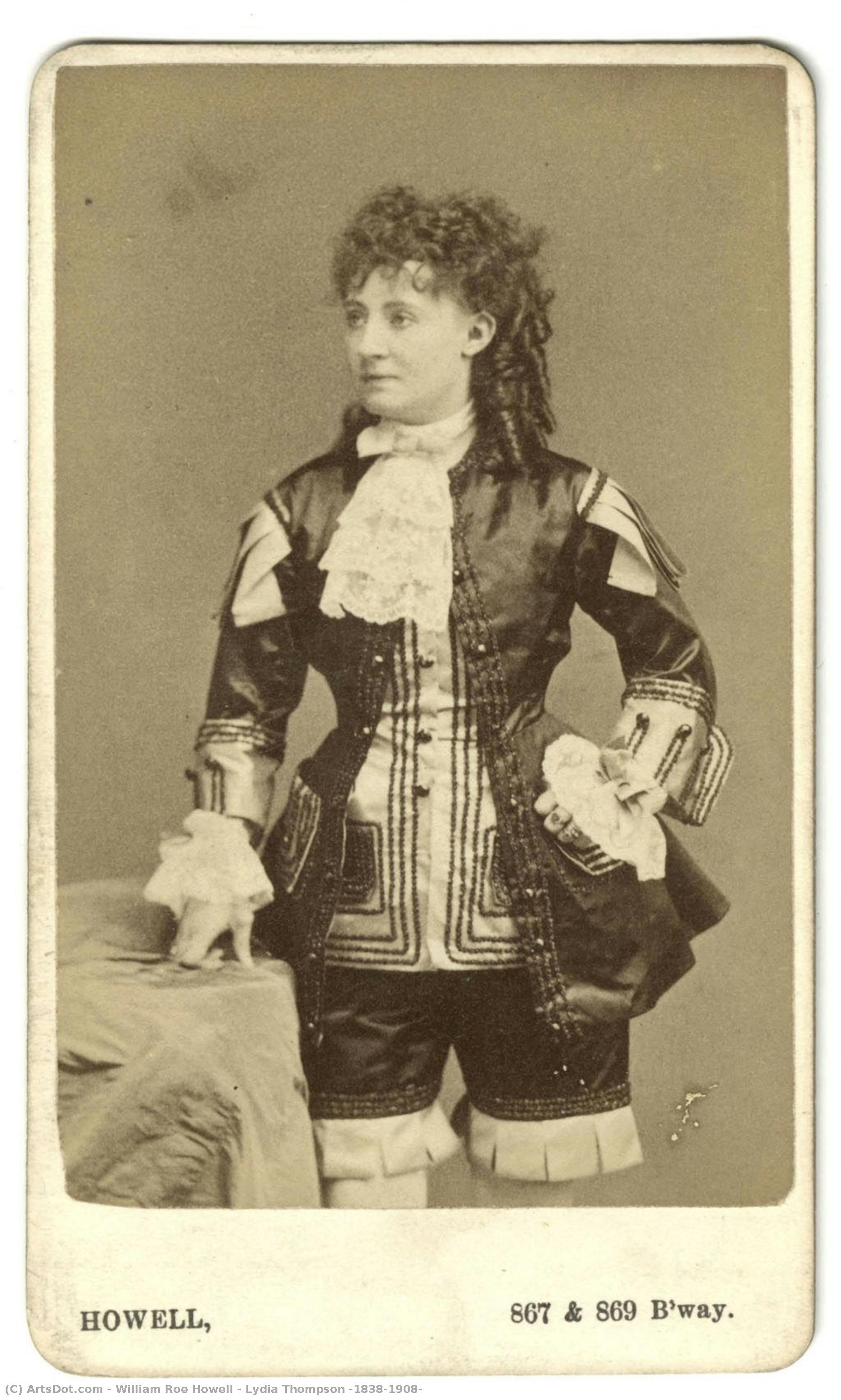
통계 정보Lydia Thompson (1838-1908)

 상세 보기
상세 보기
핸드메이드 유화 복제화
작가가 직접 캔버스에 손으로 그린 유화 작품으로, 원하는 크기와 액자로 맞춤 제작해 드립니다. ( 프린트 판매로 전환 디지털 이미지 판매 채널로 전환)




































작품의 원본 비율을 그대로 유지하는 프리셋 사이즈 중에서 선택해 보세요.

특정 프레임이나 공간에 맞춰 원하는 크기를 직접 입력하실 수 있습니다. 선택하신 크기가 원본 이미지의 비율과 일치하지 않을 경우, 작품을 자르거나 추가적인 수작업 요소를 더해 그림을 확장하여 제작합니다. 제작 시작 전, 최종 확인을 위해 디지털 목업을 보내드립니다.
화면상의 미리 보기는 실제 크롭(자르기)이나 확장된 상태를 완벽히 반영하지 않을 수 있습니다. 최종 구도는 오직 목업을 통해서만 정확하게 확인하실 수 있습니다.
맞춤 크기 제작도 가능하지만, 원본의 비율을 그대로 유지하기 위해서는 미리 정의된 목록에서 크기를 선택하시는 것을 권장합니다.
주문 완료 후 OriginalUniqueArt.com 팀에서 상세 안내를 위해 고객님께 이메일을 보내드리며, 미리보기 시안을 함께 제공해 드립니다.


 유리 옵션은 110cm 미만 크기에서만 선택 가능합니다.

Lydia Thompson (1838-1908)
재현 매체
복제본 규격
-


총 결제 금액
$ 300
작가 소개
The Lens of Eminence: The Life and Legacy of William Roe Howell
In the flickering light of the Victorian era, a period defined by both rapid industrial progress and a profound fascination with individual identity, William Roe Howell emerged as a master of the captured moment. Born in 1846 in Goshen, Indiana, Howell’s journey from the American Midwest to the bustling heart of New York City’s artistic scene is a narrative of immense talent meeting historical opportunity. While his early years were rooted in the landscapes of his youth, his true calling lay in the meticulous, chemical dance of the photographic darkroom. Before he became a celebrated name in portraiture, Howell honed his eye through formal training in drawing and painting, an education that gifted him with an unparalleled understanding of composition, light, and the subtle nuances of human expression—elements that would later breathe life into his silver-toned masterpieces.
The transition from the brush to the camera was more than a mere change in medium; it was a deliberate pursuit of a new kind of truth. As photography evolved, Howell embraced the technical complexities of the era, particularly the collodion process. This method, though demanding, offered a clarity and sharpness that far surpassed the earlier daguerreotypes, allowing him to document the textures of velvet, the glint of medals, and the profound depth of a subject's gaze. His early professional milestones were marked by significant prestige, most notably in 1873, when he was awarded the Grand Prize at the Vienna International Exposition. This international recognition placed him among the elite photographic innovators of Europe and America, signaling the arrival of a photographer whose technical prowess was matched only by his artistic intuition.
Capturing the Icons of an Age
By the mid-1870s, Howell had established a prominent studio at 867 & 869 Broadway in New York City, a location that served as a crossroads for the era's most influential figures. His work became a vital historical record, documenting the faces that shaped American politics and culture. To step into his studio was to encounter the very essence of Victorian celebrity. Through his lens, the commanding presence of political titans like Ulysses S. Grant was rendered with a dignity that commanded respect, while the luminous, theatrical allure of stars such as Lillian Russell was captured with a romantic grace that captivated the public imagination.
Howell’s artistry extended beyond the grand portraits of the elite; he possessed a unique ability to navigate different social spheres with equal sensitivity. His early work as a class photographer for Princeton College demonstrated his ability to work within specialized environments, even utilizing portable darkrooms and temporary structures to capture the spirit of the student body. This versatility—the ability to move from the academic halls of New Jersey to the high-society studios of Manhattan—defined his professional identity. His portraits were not merely likenesses but albumen prints that carried a sense of permanence, turning fleeting moments of fame into enduring icons of American history.
A Final Chapter and Enduring Significance
Despite the brilliance of his career, Howell’s life was shadowed by the same fragility that often accompanies great passion. His untimely death in 1890 at the age of 44, caused by tuberculosis, brought a premature end to a career that was still reaching new heights of influence. Yet, the impact of his work remained etched in the cultural fabric of the late 19th century. He left behind a visual legacy that serves as a window into a vanished world, providing modern historians with an intimate look at the personalities who navigated the complexities of a changing nation.
The historical significance of William Roe Howell lies in his role as a pioneer of documentary portraiture. He did not simply take pictures; he curated the visual identity of an era. His contributions can be summarized through several key achievements:
- Technical Innovation: Mastery of the collodion process to achieve unprecedented detail and clarity in portraiture.
- International Acclaim: Securing the Grand Prize at the 1873 Vienna International Exposition, elevating American photography on the world stage.
- Cultural Documentation: Creating an irreplaceable archive of political and theatrical luminaries, from statesmen to Broadway legends.
- Artistic Synthesis: Blending the classical principles of fine art painting with the emerging precision of photographic science.
Today, the works of William Roe Howell are cherished not only as technical triumphs of the Victorian age but as soulful explorations of human character. His ability to find the intersection between the public persona and the private individual ensures that his name remains a vital part of the history of American art.

william roe howell
1846 - 1890 , United States of America
작가 정보 요약
- Artistic Movement Or Style: Victorian Photography
- Artists Or Movements Influenced By This Artist: ['Photographic Realism']
- Artists Who Influenced This Artist: ['George Eastman']
- Date Of Birth: Goshen, Indiana, United States of America (1846)
- Date Of Death: 1890
- Full Name: William Roe Howell
- Nationality: American
- Notable Artworks: ['Portrait of Theodore Roosevelt']
- Place Of Birth: Goshen, Indiana