 프린트 판매로 전환
 더 보기
더 보기







































 가로 또는 세로 중 어느 한 면이라도 105cm(약 41인치)를 초과하는 작품이나 복제화의 경우, 프레임은 분해된 키트 형태로 배송됩니다. 이는 안전한 배송을 보장하고 운송 중 발생할 수 있는 손상을 방지하기 위함입니다.


A Window into Victorian Sensibility: William Morris Hunt’s “Italian Boy”
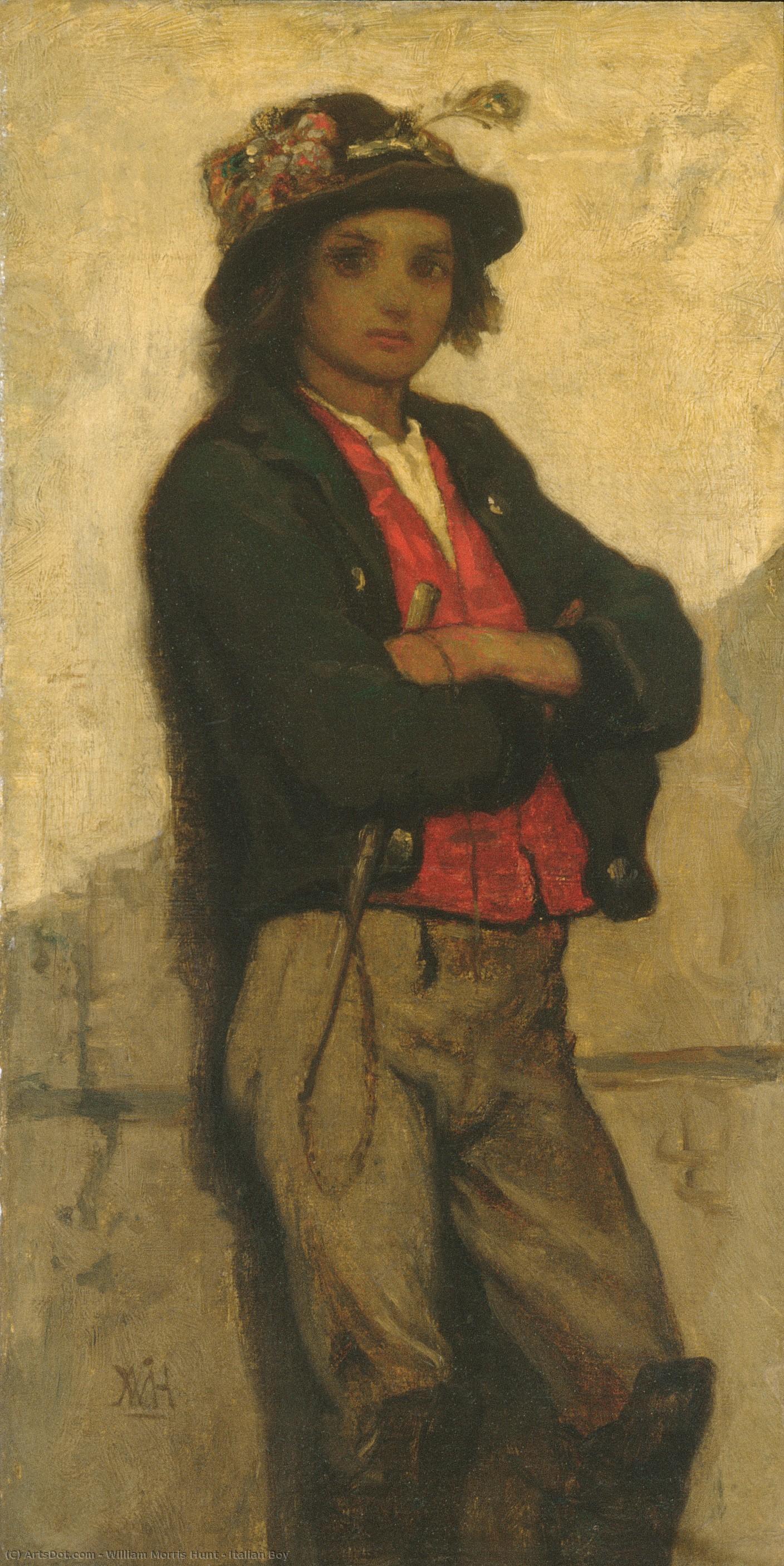
William Morris Hunt’s “Italian Boy,” completed in 1866, transcends mere portraiture; it embodies the spirit of the Barbizon School and captures a moment of contemplative beauty within the burgeoning American art scene. Painted during a period marked by fascination with European artistic traditions – particularly Millet’s landscapes – Hunt sought to infuse his work with a palpable sense of atmosphere and psychological depth.
- Subject Matter: The painting depicts a young man, dressed in a striking scarlet jacket adorned with white buttons, posed confidently before a stone wall. This deliberate positioning suggests an awareness of artistic convention, echoing the compositional strategies favored by Barbizon painters who prioritized capturing natural light and texture.
- Style & Technique: Hunt’s masterful brushwork exemplifies the Barbizon aesthetic—characterized by loose, expressive strokes that prioritize tonal variation over meticulous detail. The artist skillfully renders the stone wall with subtle shading, creating a grounding element against which the youthful figure is presented. Notice how light dances across his skin and clothing, conveying an impression of warmth and serenity.
- Historical Context: Produced in Boston during Hunt’s formative years as an artist, “Italian Boy” reflects the broader cultural currents of Victorian America. The fascination with classical ideals and the desire for artistic refinement were prevalent at the time, influencing artists like Hunt to emulate European masters and explore themes of moral virtue and spiritual contemplation.
- Symbolism & Emotion: Beyond its formal qualities, the painting speaks volumes about human character. The young man’s gaze directs outwards, hinting at an inner life brimming with curiosity and introspection. The subdued palette—dominated by earthy tones—contributes to a mood of quiet dignity and understated grace.
Influence of Millet & European Landscape Painting
Hunt's artistic vision was profoundly shaped by Jean-François Millet, whose depictions of rural life resonated deeply with American artists striving for authenticity. Like Millet, Hunt sought to portray the human figure within its natural surroundings, prioritizing observation and tonal harmony over idealized representation. This commitment to capturing the essence of nature aligns perfectly with the Barbizon School’s core principles.
The Metropolitan Museum of Art's Acquisition
“Italian Boy” holds a prominent place in The Metropolitan Museum of Art’s collection, demonstrating its enduring appeal and scholarly significance. Its inclusion underscores the museum’s dedication to preserving and disseminating American art history—a testament to Hunt’s contribution to shaping the artistic landscape of his time.
A Legacy of Luminosity & Detail
William Morris Hunt's “Italian Boy” remains a captivating exemplar of Barbizon painting, showcasing his remarkable ability to convey emotion and atmosphere through masterful technique. Its luminous brushstrokes and subtle tonal gradations continue to inspire artists and collectors alike—a timeless portrait that embodies the quiet elegance and contemplative spirit of Victorian America.
질의응답
"Italian Boy"의 원작은 어느 박물관에 소장되어 있나요?
윌리엄 모리스 헌트의 "Italian Boy"은(는) 메트로폴리탄 미술관, New York, United States of America에 전시되어 있습니다. 박물관 목록은 복제품이 아닌 원작을 기준으로 합니다.
윌리엄 모리스 헌트의 "Italian Boy"을(를) 어떤 용도로 활용하기에 좋을까요?
윌리엄 모리스 헌트의 "Italian Boy"은(는) Accent(으)로 활용하시기에 가장 좋습니다. 그 외에도 다양한 용도로 사용하실 수 있습니다.
제 방에 "Italian Boy"을(를) 어떤 사이즈로 프린트하는 것이 좋을까요?
Living Room 공간에는 "Italian Boy" 작품을 Medium 크기로 인쇄하여 배치하는 것을 추천합니다.
이 작품에 대해 더 알아보기
 미리보기
미리보기
 공유하기
공유하기 공유하기
공유하기
 상세 정보
상세 정보 가이드 보기

 다운로드
다운로드
 유사 작품 더 보기
 X-레이
X-레이 슬라이드 쇼 보기
 질의응답
질의응답 통계 정보
통계 정보





