
 실제 크기로 보기
 보내기
보내기 공유하기
공유하기
 상세 보기
상세 보기 가이드 보기

 이미지 다운로드
 유사 작품 더 보기
 X-레이
X-레이 슬라이드 쇼 보기
 통계 정보
통계 정보Conflict


 상세 보기
상세 보기
이 페이지에 표시된 작품은 저작권법의 보호를 받으며, 이에 따라 동일한 복제품을 제작하거나 판매하는 것은 법으로 금지되어 있습니다. 이러한 권리 보호는 다음과 같은 국제 협약에 따라 시행됩니다. 베른 협약 또한 다음에서 명시하는 법률을 포함한 국내법에 의해 보호됩니다. 미국 저작권법 제17조.
저희는 존중을 담은 합법적인 대안으로서, 원작에서 영감을 받은 맞춤형 수제 유화 작품을 제공합니다. 저희의 숙련된 전문 화가들은 원작의 스타일, 분위기, 예술적 정수를 면밀히 연구하여, 그 자체로 독창적인 창작물이면서도 원작과 동일한 감동을 불러일으키는 새로운 작품을 만들어냅니다.
이 방식은 저작권 보호를 받는 예술 작품을 복제하거나 그대로 재현하는 것이 아니기에 저작권 규정을 완벽히 준수합니다. 대신, 이는 창의적인 재해석의 과정을 거칩니다. 즉, 원작에서 영감을 받되 원작과 동일하지 않은 새로운 회화 작품을 의미합니다.
핸드메이드 유화 복제화
작가가 직접 캔버스에 손으로 그린 유화 작품으로, 원하는 크기와 액자로 맞춤 제작해 드립니다. ( 프린트 판매로 전환 디지털 이미지 판매 채널로 전환)




































작품의 원본 비율을 그대로 유지하는 프리셋 사이즈 중에서 선택해 보세요.

액자나 벽면 크기에 맞춰 필요한 가로와 세로 길이를 입력해 주세요. 본 작품은 수작업으로 제작되므로, 요청하신 비율에 따라 작가가 그림의 가장자리를 조금 더 넓게 그리거나 일부를 조정하여 작업할 수 있습니다. 작업 시작 전, 최종 확인을 위해 디지털 목업 이미지를 보내드립니다. 이 페이지에 표시된 이미지는 실제 결과물과 다를 수 있으며, 오직 목업 이미지만이 정확한 결과물을 보여줍니다.
주문 완료 후 OriginalUniqueArt.com 팀에서 상세 안내를 위해 고객님께 이메일을 보내드리며, 미리보기 시안을 함께 제공해 드립니다.


 유리 옵션은 110cm 미만 크기에서만 선택 가능합니다.

Conflict
재현 매체
복제본 규격
-


총 결제 금액
₩ 406326
Artistic Style and Technique
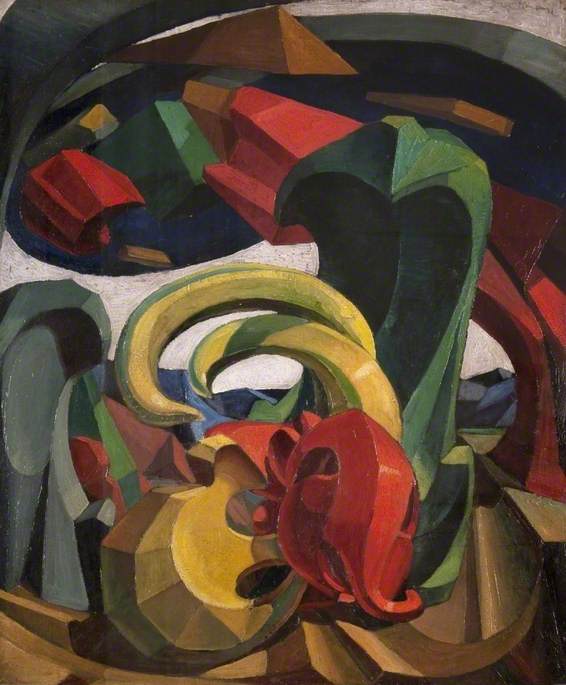
The painting features a colorful and intricate composition, with various shapes and colors that create an interesting visual experience for viewers. The main focus of the painting appears to be on a red bird or animal figure, which is surrounded by other geometric shapes and patterns. This style is reminiscent of other artists, such as Kazimir Severinovich Malevich, who was known for his contributions to the Cubism movement. For example, Malevich's painting The Triumph of Heaven can be found on OriginalUniqueArt.com.Historical Context and Significance
The Conflict painting can be seen as a representation of the turmoil and upheaval of the early 20th century. The use of bold colors and geometric shapes creates a sense of tension and conflict, which is reflective of the artistic and cultural movements of the time. Other artists, such as Sir George Clausen, also explored themes of loss and grief in their work, as seen in his painting Youth Mourning, which can be found on OriginalUniqueArt.com.- The painting is a significant example of modern art and its ability to evoke emotions and spark conversation.
- The use of oil on canvas creates a rich and vibrant texture that adds depth to the overall composition.
- The Glasgow Museums Resource Centre is home to a diverse collection of artworks, including pieces by other notable artists such as Eugène Delacroix.
The Conflict painting by William Mccance is a captivating and thought-provoking artwork that showcases the artist's unique style and technique. As a handmade oil painting reproduction, it can be found on OriginalUniqueArt.com, along with other notable artworks from history's most famous artists.
질의응답
William Mccance의 "Conflict"의 수작업 복제화를 어디에서 구매할 수 있나요?
"Conflict" 작품은 리넨 캔버스 위에 손으로 직접 그린 유화 복제화로 만나보실 수 있습니다. 주문은 수작업 유화 복제화 페이지에서 가능하며, 다양한 사이즈를 선택하실 수 있습니다.
"Conflict"의 조회수는 얼마인가요?
William Mccance의 "Conflict"에 관한 통계 정보는 작품의 통계 페이지에서 확인하실 수 있습니다: 해당 작품의 월간 방문 횟수, 작가 작품의 방문 횟수, 그리고 최근 방문자의 국가 및 언어별 상세 현황을 제공합니다.
"Conflict"의 뒤에 숨겨진 예술가와 화풍은 무엇인가요?
"Conflict"의 뒤에는 William Mccance와 Cubism 운동이 자리하고 있습니다.
작가 소개
The Architect of Cubist Vision: The Life and Legacy of William McCance
In the vibrant, turbulent landscape of early twentieth-century British modernism, few figures possessed the singular, transformative vision of William McCance. Born in 1894 in Cambuslang, Scotland, McCance emerged not merely as a painter, but as a pioneer who dared to bridge the gap between traditional Scottish sensibilities and the radical, fractured aesthetics of European Cubism. His journey was one defined by profound moral conviction and an unyielding pursuit of new visual languages, moving through the halls of the Glasgow School of Art and into the very heart of the avant-garde movement in Wales and London.
McCance’s early years were marked by a rigorous academic foundation, yet his spirit was shaped as much by social upheaval as by formal training. As a conscientious objector during the First World War, he endured imprisonment—an experience that undoubtedly deepened the emotional gravity found within his later compositions. Following his release, his life became an intricate tapestry of artistic collaboration and intellectual exploration. His marriage to the talented illustrator and engraver Agnes Miller Parker created a formidable creative partnership, one that saw them navigate the bustling art scenes of London and eventually settle into influential roles within the Welsh artistic community.
A Revolution in Form and Color
The true metamorphosis of McCance’s style occurred during the 1920s, a decade when he became one of Scotland's most daring proponents of Cubism. Rejecting the comfortable boundaries of representational art, McCance embraced the revolutionary techniques of masters like Picasso and Braque. He began to dismantle the physical world into a series of overlapping planes, geometric shapes, and rhythmic patterns. This was not merely an exercise in abstraction; it was an attempt to capture the complex visual sensations and the underlying energy of a modernizing world.
His works from this period, such as the striking Conflict (1922), demonstrate a masterful command of color and tension. In these pieces, dark blues and greens often collide with sudden, vibrant accents, creating a sense of movement and psychological depth. His technique frequently utilized layered impasto and expressive lines to give weight to his geometric explorations. Whether depicting a figure in Woman Reading or the quiet stillness of a domestic scene, McCance infused his subjects with a machine-inspired precision and a modern, fractured perspective that challenged the viewer to look beyond the surface.
The Gregynog Legacy and Typographic Mastery
Beyond the canvas, McCance’s influence extended into the very fabric of book design and typography. His tenure as the second Controller of the renowned Gregynog Press in Powys, Wales, allowed him to merge his painterly eye with the precision of printmaking. This period of his life represents a vital intersection of fine art and functional design, where his understanding of form and space found new expression in the medium of the printed word. His work at Gregynog solidified his reputation as a polymath—a man capable of translating the radical energy of Cubism into the delicate, structured world of book production.
As his career progressed, McCance continued to educate and inspire, serving as a lecturer in typography and book design at the University of Reading. His contributions were not limited to his own brushstrokes; he was a vital voice in the intellectual currents of his time, working as an art critic for The Spectator and engaging with the luminaries of the Scottish Renaissance movement.
Today, the significance of William McCance lies in his role as a bridge-builder. He connected the traditionalist roots of Scottish art to the burgeoning internationalism of the modern era. His legacy is preserved in the collections of the National Galleries of Scotland and the Dundee Art Gallery, serving as a testament to an artist who saw the world not as a static image, but as a dynamic, beautiful, and ever-shifting mosaic of form.

William Mccance
1894 - 1970
작가 정보 요약
- Artistic Movement Or Style: Cubist Art
- Artists Or Movements Influenced By This Artist: ['Modern Scottish Art']
- Artists Who Influenced This Artist:
- Pablo Picasso
- Georges Braque
- Date Of Birth: 1894
- Date Of Death: 1970
- Full Name: William McCance
- Nationality: Scottish
- Notable Artworks:
- Conflict
- Woman Reading
- Place Of Birth: Cambuslang, Scotland
관련 기사

Neo-Abstract Art: The High-Impact Evolution of Modern Visual Energy and Geometric Sophistication
Discover the power of Neo-Abstract art. Explore how bold geometric forms and high-impact visual energy are redefining modern design. Learn to curate sophisticated, high-energy spaces with the latest trends in contemporary abstraction and structural color.
페르낭 레제 최고 걸작 25선: 현대 미술의 거장을 만나다 | OriginalUniqueArt
페르낭 레제의 최고 걸작 25선을 만나보세요. 큐비즘, 추상 미술의 거장이 그린 명작들의 탄생 비화와 예술적 의미를 탐구합니다. OriginalUniqueArt에서 고품질 아트 프린트와 인테리어 액자로 공간에 예술을 더하세요. 지금 바로 컬렉션을 확인하세요!

기하학적 추상 미술을 정의한 명작 10가지 | OriginalUniqueArt.com
몬드리안, 말레비치 등 거장들의 기하학적 추상 미술 명작 10선을 만나보세요. 각 작품의 예술사적 의미와 색채, 구성을 탐구하고 OriginalUniqueArt.com에서 고품질 아트 프린트를 소장하세요. 지금 바로 온라인 컬렉션을 확인하세요!
Beyond the Lines: The High-Impact Trend Forecast of Geometric Abstraction
Discover the high-impact world of Geometric Abstraction. From Cubist roots to modern urban trends, explore how bold shapes and colors redefine contemporary design. Elevate your space with expert art insights and custom-made abstract masterpieces.

Kandinsky's Masterpieces: 25 Paintings That Define Abstract Art | OriginalUniqueArt
Journey through Wassily Kandinsky's 25 most iconic abstract paintings. Explore his revolutionary use of color, form & spiritual expressionism. Find museum-quality Kandinsky reproductions and elevate your home decor with OriginalUniqueArt.com. Discover all masterpieces on OriginalUniqueArt.com!