
 미리보기
미리보기
 공유하기
공유하기 공유하기
공유하기
 상세 정보
상세 정보

 다운로드
다운로드
 유사 작품
유사 작품 X-레이
X-레이 슬라이드 쇼
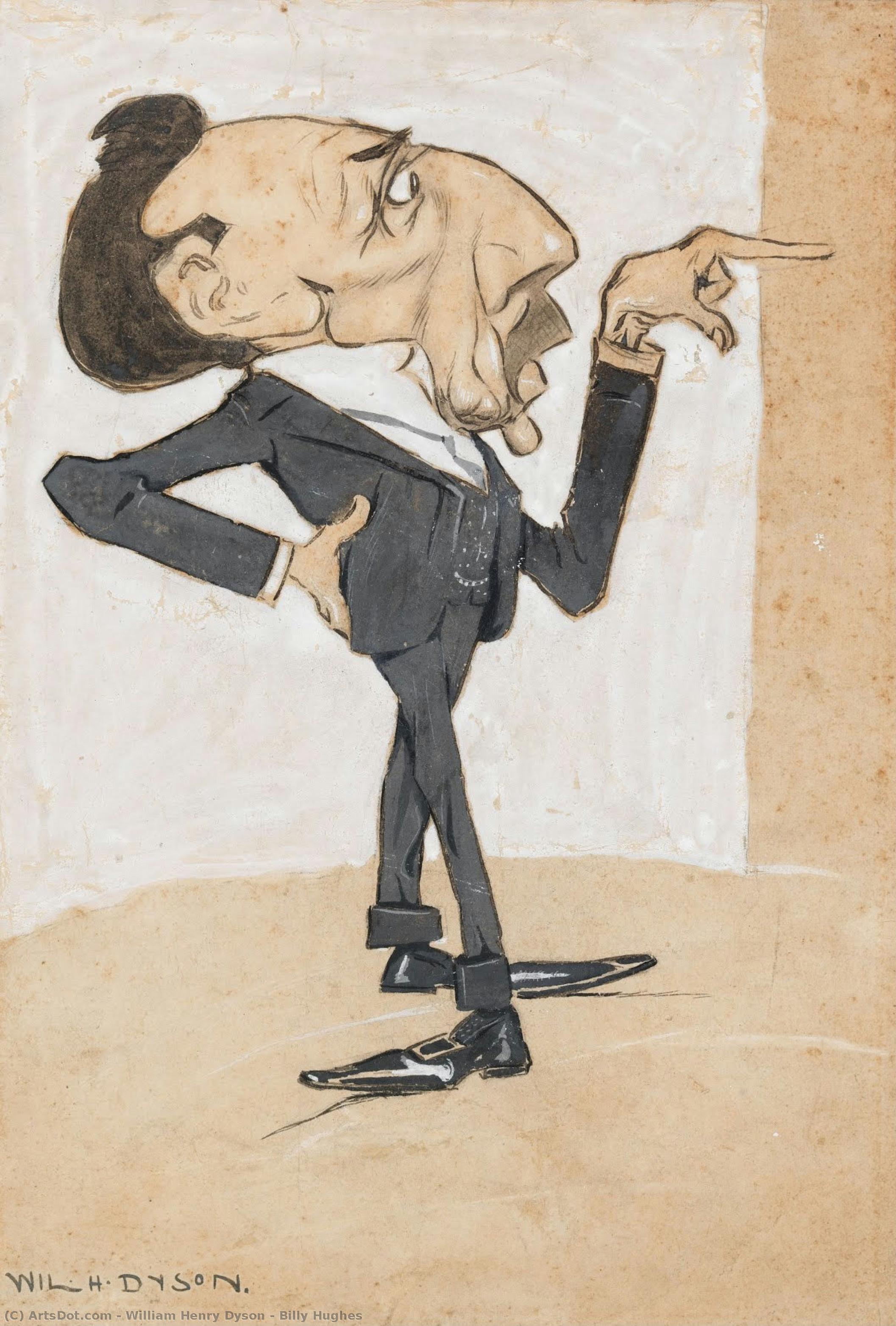
Billy Hughes
 26.0 x 19.0 cm
 National Portrait Gallery
 더 보기
더 보기
온라인 미리보기보다 훨씬 뛰어난 품질의 고해상도 디지털 이미지를 구매해 보세요.
각 파일은 사내 전문가가 고급 도구와 숙련된 수동 리터칭 기술을 사용하여 세심하게 준비합니다. 우리는 모든 이미지가 탁월한 선명도, 정확한 색상 재현력, 그리고 미세한 디테일까지 완벽하게 갖추도록 보장합니다.
최종 파일은 전문적인 편집 및 인쇄 환경에서 즉시 사용할 수 있도록 최적화되어 72시간 이내에 이메일로 발송됩니다. 이는 세계적인 디자인 스튜디오, 출판사 및 갤러리가 신뢰하는 것과 동일한 품질입니다.
디지털 이미지
개인 소장 및 전시, 인쇄, 창작 프로젝트를 위한 고해상도 파일을 다운로드하세요. ( 프린트 구매 손으로 그린 그림 구매)
모든 디지털 이미지 주문에 포함된 혜택
전문적인 디지털 이미지 전송 보장
OriginalUniqueArt.com를 선택하시면 단순히 이미지를 받는 것을 넘어, 정밀한 보정 과정을 거친 전문적인 디지털 예술 작품을 만나보실 수 있습니다. 모든 작품에는 만족 보장 서비스가 함께 제공되며, 주문 시 다음과 같은 사항들이 자동으로 포함됩니다:

빠른 이메일 전송
주문 후 72시간 이내에 고해상도 디지털 이미지 파일이 이메일로 발송되며, 즉시 사용하실 수 있습니다.

AI 기술로 향상된 디지털 파일
귀하의 작품은 고급 AI 도구와 수동 편집 과정을 거쳐 전문적으로 최적화되며, 이를 통해 디테일과 선명도, 색상의 정확도를 극대화합니다.

평생 무료 재전송 서비스
파일을 실수로 삭제하거나 분실하셨나요? 걱정 마세요. 언제든 무료로 다시 보내드립니다.

추가 수입 비용 없음 - 언제나
관세나 부가세, 배송비 부담 없이 작품을 즉시 감상하세요 - 디지털 다운로드는 언제나 면세 혜택이 적용됩니다.

정확한 색상 보장
전문적인 도구와 색상 관리 시스템을 통해 디지털 이미지가 원본의 색상을 최대한 정확하게 구현하도록 보장합니다.

60일 만족 보장제
구매하신 디지털 이미지에 만족하지 못하실 경우, 60일 이내에 수정 또는 100% 환불을 진행해 드립니다 - 어떠한 문의도 필요 없습니다.

100% 환불 보장
만족하지 못하셨나요? 디지털 파일을 수령하신 후 60일 이내라면 별도의 이유를 밝힐 필요 없이 전액 환불해 드립니다.

대량 주문 할인
이미지 3매 구매 시 10% 할인 - 5매 구매 시 15% 할인 - 10매 이상 구매 시 20% 할인. 크리에이티브 프로젝트, 갤러리, 에이전시에 매우 유용합니다.
수집품 상세 설명
작가 소개
A Life Etched in Ink: The World of William Henry Dyson
William Henry ‘Will’ Dyson, a name perhaps less instantly recognizable than some of his contemporaries, nevertheless occupies a pivotal position in the history of Australian art and political commentary. Born in 1880 near Ballarat, Victoria, into a large family grappling with the realities of working-class life, Dyson's artistic journey was deeply interwoven with social consciousness and a fierce commitment to justice. His father’s initial struggles as a miner, transitioning to a dry-goods hawker, and the strong labor movement activism within his family instilled in young Will a sensitivity to inequality that would become the defining characteristic of his work. From an early age, nurtured by siblings who recognized his talent for both drawing and writing, Dyson began to hone skills that would eventually allow him to give voice to the voiceless through the potent medium of political cartooning. His formal education at Albert Park State School was cut short in 1892, but his true schooling had already begun – a rigorous apprenticeship in observation, empathy, and the art of visual storytelling.From Australian Roots to London’s Political Stage
Dyson's career blossomed quickly after submitting illustrations to The Bulletin at just seventeen years old, initially under the pseudonym ‘Asa Dane’. This early success provided a crucial foothold in the competitive world of Australian journalism and illustration. A period working for The Critic in Adelaide further refined his skills as a caricaturist, but it was his encounter with Norman Lindsay that proved particularly formative. The two artists forged a lasting friendship and artistic camaraderie, pushing each other to explore new techniques and perspectives. This relationship deepened when Dyson married Ruby Lindsay, Norman’s sister, in 1909. Shortly thereafter, the couple made the momentous decision to relocate to London – a move that would dramatically alter the course of Dyson's career. London offered a broader audience and a more pressing need for social commentary, allowing him to engage with issues on a global scale. He quickly secured a position as a cartoonist for The Daily Herald, where his biting wit and unflinching critique of societal problems soon gained widespread recognition.A Voice for the Disenfranchised: Dyson’s Artistic Style & Themes
Dyson's artistic style was immediately recognizable – bold lines, expressive figures, and a masterful use of satire combined to create images that were both visually striking and intellectually provocative. He drew inspiration from artists like Honoré Daumier, whose socially conscious caricatures served as a powerful model for his own work. However, Dyson’s style was uniquely his own, infused with the energy and directness of Australian artistic sensibilities. His cartoons fearlessly addressed themes such as poverty, inequality, and the injustices of war, often focusing on the plight of working-class individuals and challenging the established power structures. He didn't shy away from controversy, using his art to expose hypocrisy and demand social reform. His progressive views aligned with a growing movement for change in Britain, and his cartoons became potent tools for raising awareness and sparking debate. Dyson’s work wasn’t merely about depicting problems; it was about igniting a fire within the viewer, compelling them to question the status quo and advocate for a more just world.Bearing Witness: Dyson as Australia's First Official War Artist
The outbreak of World War I ignited a new artistic fervor in Dyson. He directed his scathing artwork towards German militarism and the horrors of war, but he felt compelled to do more than simply comment from afar. In 1916, driven by a desire to document the realities faced by soldiers on the Western Front, he applied to join the Australian forces as an artist. Appointed an honorary lieutenant in January 1917, he joined Anzac troops in France and was officially recognized as Australia’s first official war artist that May. His wartime depictions were starkly realistic, capturing not just the physical devastation of conflict but also the profound emotional toll it took on those who fought. He eschewed romanticized portrayals of heroism, instead focusing on the grim realities of trench warfare – the mud, the fear, the loss, and the sheer futility of it all. One of the Old Platoon, for example, is a haunting depiction of exhausted soldiers, stripped of their glory and reduced to mere shadows of their former selves. His work served as a powerful counterpoint to the patriotic propaganda that often dominated wartime narratives.A Lasting Legacy: Dyson’s Enduring Impact
The death of his wife, Ruby Lindsay, in 1919 deeply affected Dyson, leading to a period of artistic stagnation and personal grief. He returned to Australia in 1924 but found it difficult to reconnect with the local art scene, eventually returning to England in 1930. He died in London in 1938 at the age of 57, leaving behind a body of work that continues to resonate today. Dyson’s legacy lies not only in his technical skill and artistic innovation but also in his unwavering commitment to social justice. He demonstrated the power of art as a vehicle for political commentary, using satire and caricature to challenge authority and advocate for change. His unflinching depictions of war and inequality remain relevant in the 21st century, serving as a reminder of the enduring importance of critical thinking and compassionate engagement with the world around us. He was a master storyteller, an astute observer of human nature, and a fearless champion of the underdog – qualities that ensure his place among the most important political cartoonists of the early 20th century.
William Henry Dyson
1880 - 1938

