
 미리보기
미리보기
 공유하기
공유하기 공유하기
공유하기
 상세 정보
상세 정보 가이드 보기

 다운로드
다운로드
 유사 작품 더 보기
 X-레이
X-레이 슬라이드 쇼 보기
 질의응답
질의응답 통계 정보
통계 정보Dunottar Castle

- 107.0 x 177.0 cm


 더 보기
더 보기
지클레 / 아트 프린트
빠른 제작과 다양한 마감 옵션을 제공하는 박물관 수준의 지클레이 및 캔버스 프린트. ( 수작업 채색 복제본 주문하기 디지털 이미지로 전환)




































작품의 원본 비율을 그대로 유지하는 프리셋 사이즈 중에서 선택해 보세요.

액자나 벽면 크기에 맞춰 필요한 가로와 세로 길이를 입력해 주세요. 프린트는 원본 이미지보다 크게 제작할 수 없으며 오직 자르는 것만 가능하므로, 비율이 다른 사이즈를 선택할 경우 이미지의 일부가 잘려 나갈 수 있습니다. 인쇄 작업에 들어가기 전, 최종 확인을 위해 디지털 목업을 보내드립니다. 이 페이지에 표시된 이미지는 실제 잘리는 영역을 나타내지 않으며, 오직 목업을 통해서만 정확한 확인이 가능합니다.


 유리 옵션은 110cm 미만 크기에서만 선택 가능합니다.

Dunottar Castle
지클레 / 아트 프린트
복제본 크기
-


최종 결제 금액
₩ 108463
작가 정보
The Vibrant Legacy of William Ewart Lockhart
In the grand tapestry of Victorian art, few threads shine with as much color and dramatic flair as those woven by William Ewart Lockhart. A Scottish master whose brush possessed the rare ability to oscillate between the intimate dignity of portraiture and the sweeping grandeur of landscape, Lockhart emerged from the rugged landscapes of Dumfries and Galloway to capture the very essence of his era. Born in Eaglesfield in 1846 and raised amidst the quiet beauty of Sibbaldbie and Annan, his early life was steeped in an appreciation for the natural world—a foundation that would later allow him to translate the sunlight of Spain and the vastness of the Australian Outback onto the canvas with unparalleled vitality.
Lockhart’s journey into the upper echelisi of the art world began with remarkable precocity. His talent was recognized early at the Annan Academy, leading to his acceptance into the prestigious Royal Scottish Academy in 1860. Under the mentorship of J.B. Macdonald R.S.A., the young artist began to refine a technique that would become his hallmark: a bravura style characterized by rich textures and a luminous command of light. Even as a mere fourteen-year-old, he was already contributing to the RSA Annual Exhibition, signaling the arrival of a formidable talent who refused to be bound by the traditional constraints of his training.
A Wanderer’s Vision: From Australia to Spain
Life, however, presented challenges that would redirect his artistic trajectory. A period of debilitating illness in 1863 necessitated a journey to Australia, an exile that inadvertently became a profound period of artistic awakening. The vast, sun-drenched horizons of the Australian landscape provided Lockhart with a new vocabulary of light and space, expanding his visual repertoire far beyond the misty hills of Scotland. This exposure to different climates and cultures instilled in him a lifelong fascination with how light interacts with atmosphere—a theme that would dominate his later masterpieces.
Upon his return to Edinburgh in 1867, Lockhart’s thirst for new inspiration led him on several transformative voyages to Spain. It was here that his work reached its most vibrant zenith. The Spanish landscapes, with their dramatic shadows and intense, warm palettes, became a cornerstone of his oeuvre. He did not merely paint scenes; he captured the soul of the Iberian Peninsula, blending historical narrative with atmospheric realism. Whether depicting lively street scenes like Gil Blas and the Archbishop of Granada or capturing the somber weight of history in works such as Cardinal Beaton Besieged in St Andrews Castle, his ability to infuse movement and emotion into his compositions remained unmatched.
Mastery of Portraiture and Royal Recognition
While his landscapes were celebrated for their brilliance, Lockhart’s portraiture offered a different kind of mastery—one of psychological depth and social elegance. He possessed an uncanny ability to render the character of his subjects, from the dignified presence of Mrs Stewart Clark to the political weight of figures like Arthur J. Balfour. His portraits were never mere likenesses; they were studies in texture, light, and status, often utilizing a rich, academic style that emphasized the tactile quality of fabrics and the soft glow of skin.
The pinnacle of his professional achievements was marked by significant institutional honors and royal commissions. His election as an Associate of the Royal Scottish Academy in 1871, followed by his elevation to Full Member in 1878, solidified his standing among the elite of British painters. Perhaps most notably, his work The Jubilee Celebration, commissioned in honor of Queen Victoria, stands as a testament to his ability to capture the monumental scale of national pride and historical splendor. Through his life’s work, William Ewart Lockhart remains a vital figure of the 19th century, leaving behind a legacy of color, drama, and an enduring connection to the landscapes and people that shaped his extraordinary vision.

William Ewart Lockhart
1846 - 1900
작가 정보 요약
- Artistic Movement Or Style: Victorian Painting
- Artists Or Movements Influenced By This Artist: ['Derby Art']
- Artists Who Influenced This Artist: ['J. B. Macdonald']
- Date Of Birth: 1846
- Date Of Death: 1900
- Full Name: William Ewart Lockhart
- Nationality: Scottish
- Notable Artworks:
- The Jubilee Celebration
- Dunottar Castle
- Mrs Stewart Clark
- Place Of Birth: Eaglesfield, Scotland
관련 콘텐츠
Sir William George Gillies: A Scottish Colourist's Journey Through Landscape & Abstraction
Explore the captivating world of Sir William George Gillies, a leading Scottish Colourist. Discover his journey from Cubism to iconic landscapes & still lifes. Expert insights for collectors and art enthusiasts.

존 컨스터블 대표작 25선: 영국 풍경화의 거장, 자연과 감성을 담은 명화 컬렉션 | OriginalUniqueArt
존 컨스터블 대표작 25선을 만나보세요. 영국 풍경화 거장의 자연주의 회화, 데담 밸리의 아름다움과 헤이 웨인의 정취를 담은 명화를 감상하세요. OriginalUniqueArt에서 고품질 예술 작품 복제본을 소장하고 특별한 인테리어를 완성해보세요. 지금 바로 컬렉션을 탐험하세요!

낭만 풍경화의 황홀! 예술사에 빛난 10대 걸작 탐구 | 와후아트
낭만주의 시대, 예술혼을 불태운 10대 풍경화 걸작! 터너부터 프리드리히까지, 시대를 초월하는 아름다움을 와후아트에서 만나보세요. 고흐의 색채와 코로의 섬세함이 당신의 공간에 영감을 더합니다. 지금 바로 와후아트에서 명품 미술 작품을 감상하고 구매하세요!
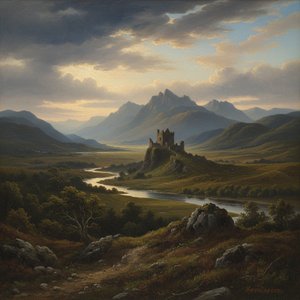
Alexander Nasmyth: Picturing Scotland's Romantic Landscape – Innovation & Identity
Explore the life & art of Alexander Nasmyth, a pivotal figure in Scottish Romantic landscape painting. Discover his iconic works, including portraits of Robert Burns, and learn about his lasting influence on national identity. Fine art reproductions available.

Evocations of Place: A Historical Journey Through Landscape Art
Explore the rich history of landscape art with OriginalUniqueArt. Discover renowned artists, movements like Impressionism & Romanticism, and expert guidance for collecting timeless pieces. Find your perfect serene escape today!