
 미리보기
미리보기
 프린트 구매
 공유하기
공유하기 공유하기
공유하기
 상세 정보
상세 정보

 다운로드
다운로드
 유사 작품
유사 작품 X-레이
X-레이 슬라이드 쇼
St Joseph
 Oil On Canvas
- WallArt
- Pre-Raphaelite
 1847
1847 79.0 x 55.0 cm
 로열 컬렉션
 더 보기
더 보기




P118B $10

P118H $10

P118W $10

P438Z $10

P508JH $12

P508YH $12

P805H $10

P805Z $10

P919BZ $10

P919G $10

P919XJ $10

P959ZH $10

P968JZ $12

W106C $8

W218G $10

W218JH $8

W218Y $10

W307PJ $10

W316G $10

W316PJ $8

W316Y $10

W398PJ $8

W4111J $10

W500HY $15

W500JH $15

W692G $12

W849H $8

W940BG $15

W953PJ $8




작품의 원본 비율을 유지하는 미리 설정된 크기 중에서 선택하세요.

특정 프레임이나 공간에 맞도록 직접 크기를 입력할 수 있습니다. 선택하신 크기가 원본 이미지의 비율과 일치하지 않는 경우, 작품을 자르거나 추가적인 손으로 그린 요소를 사용하여 그림을 확장합니다. 제작 시작 전 승인을 위해 디지털 목업을 보내드립니다.
화면 미리 보기는 실제 자르기 또는 확장을 반영하지 않습니다. 최종 구성은 목업을 통해서만 정확하게 확인하실 수 있습니다.
맞춤 크기 제작도 가능하지만, 원본 비율을 유지하기 위해 사전 정의된 목록에서 크기를 선택하시는 것을 권장합니다.
주문 후 OriginalUniqueArt.com 팀에서 상세 안내를 위해 고객님께 이메일을 보내드리며, 미리보기 시안을 제공해 드립니다.


 유리 옵션은 110cm 미만 크기에서만 선택 가능합니다.

St Joseph
재현 기법
복제본 크기
-


최종 결제 금액
$ 300
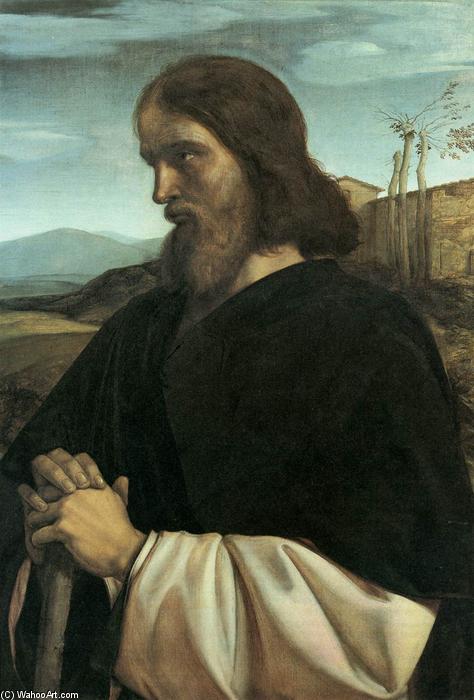
The Serene Figure: William Dyce’s St. Joseph
William Dyce's "St. Joseph" is more than a portrait; it’s a carefully constructed meditation on faith, domesticity, and the quiet dignity of a biblical figure. Painted in 1847 during a period of burgeoning Pre-Raphaelite influence in England, this oil-on-canvas work transcends mere representation to become a deeply evocative study of human character. Dyce, a pivotal figure in establishing art education within the British system, imbues the scene with an almost palpable sense of contemplation – Joseph’s gaze, slightly turned leftward, suggests a man lost in thought, perhaps reflecting on his role as guardian of Mary and infant Jesus.
The composition itself is remarkably restrained. Dyce eschews dramatic gestures or elaborate drapery, opting instead for a directness that draws the viewer into Joseph’s world. The muted palette – dominated by earthy browns, ochres, and subtle greens – contributes to the painting's overall sense of solemnity and timelessness. Notice how Dyce masterfully employs light and shadow; it isn’t harsh or theatrical but rather a gentle diffusion that softens the features and emphasizes the texture of Joseph’s clothing, hinting at both its practicality and the inherent value placed upon his role.
A Pre-Raphaelite Echo
Dyce's work firmly resides within the orbit of the Pre-Raphaelites, though he never formally joined their brotherhood. The influence is evident in his meticulous attention to detail, his preference for naturalistic rendering, and his exploration of religious themes with a heightened sense of emotional resonance. The painting shares similarities with works by Millais and Rossetti – particularly in its focus on the domestic sphere and the portrayal of biblical figures as relatable human beings. However, Dyce’s approach is subtly different; there's a greater emphasis on psychological depth and a quiet reverence that distinguishes his style.
The choice of subject matter itself—St. Joseph—is significant. Often overshadowed by Mary and Jesus in traditional iconography, Joseph represents the steadfastness, humility, and protective spirit essential to the Christian narrative. Dyce’s portrayal elevates him beyond a mere supporting character, presenting him as a man of quiet strength and unwavering devotion.
Craftsmanship and Context
Created in 1847, “St. Joseph” reflects the artistic climate of Victorian England. The Royal Collection, where it currently resides at Windsor Castle, speaks to its historical importance and enduring appeal. Dyce’s technical skill is undeniable; his brushwork is smooth and controlled, creating a sense of depth and texture that invites close examination. The canvas itself, likely prepared by a skilled craftsman, provides an ideal surface for Dyce's meticulous rendering.
Furthermore, the painting was commissioned by Prince Albert, highlighting its significance within the royal household. This connection adds another layer to the artwork’s narrative – it wasn’t merely a devotional image but also a symbol of familial piety and the values championed by the Victorian monarchy. The inclusion of the landscape background—rolling hills under a cloudy sky—further grounds the scene in a tangible reality, suggesting that Joseph's faith is rooted in the everyday world.
A Legacy of Reflection
“St. Joseph” remains a powerful and moving work of art. It’s a testament to Dyce’s artistic vision and his ability to capture the essence of human emotion through meticulous observation and skillful execution. More than just a depiction of a biblical figure, it's an invitation to contemplate themes of faith, family, and the quiet dignity of ordinary lives. Reproductions of this piece offer a beautiful opportunity to bring a touch of Victorian serenity and contemplative grace into any space.
작가 약력
초기 생애와 예술적 훈련
윌리엄 다이스(William Dyce, 1806–1864)는 스코틀랜드 애버딘에서 왕립학회 회원인 의사 윌리엄 다이스 박사와 부유한 은행가의 딸 마거릿 찰머스의 아들로 태어났습니다. 학문과 문화를 소중히 여겼던 그의 가정 환경은 그가 향후 예술적 탐구를 이어가는 데 있어 견고한 토대가 되었습니다. 그는 애버딘의 마리셜 칼리지에 입학하여 불과 16세라는 어린 나이에 석사 학위를 취득하는 놀라운 업적을 남겼습니다. 디자인에 대한 천부적인 재능을 알아본 다이스는 에든버러와 런던의 왕립 아카데미 스쿨에서 정식 교육을 받으며 고전 예술 연구에 몰두하였고, 이후 그의 경력을 지탱할 핵심적인 기법들을 마스터했습니다. 이 시기 그는 스코틀랜드와 잉글랜드 전역에 흐르던 영향력 있는 예술적 사상들을 접하며 미적 감각을 형성하였고, 예술적 탁월함을 향해 끊임없이 정진하는 학생으로서의 면모를 갖추게 되었습니다.이탈리아의 영향과 예술적 발전
다이스의 예술 인생에서 전환점이 된 결정적인 순간은 1825년 로마로 떠난 첫 해외 여정이었습니다. 르네상스 예술의 웅장함에 영감을 받고 나자레파 화파의 정신에 매료된 그는, 9개월 동안 티치아노와 푸생의 작품들을 치밀하게 연구하며 그들의 구도 원리를 흡수하고 거장들의 탁월한 색채 사용법을 익혔습니다. 이탈리아 예술 전통에 대한 이러한 몰입은 그의 화풍에 깊은 영향을 미쳤으며, 세밀한 관찰과 심오한 영적 명상을 전달하는 특유의 스타일을 구축하게 했습니다. 이는 훗날 그의 작품 세계를 상징하는 핵심적인 특징이 되었습니다. 1826년 애버딘으로 돌아온 그는 화가로서의 기량을 계속해서 연마하며, 큰 찬사를 받았던 니사의 님프들이 돌보는 바쿠스(Bacchus Nursed by the Nymphs of Nysa)를 포함한 여러 주목할 만한 작품들을 탄생시켰습니다.에든버러 시절과 초상화 작업
1830년대 중반, 다이스는 에든버러에서 초상화가로서 입지를 굳히며 스코틀로 사회의 저명인사들로부터 의뢰를 받기 시작했습니다. 특히 미묘한 표정과 심리적 뉘앙스를 포착해내는 그의 세밀한 관찰력은 그에게 커다란 명성을 안겨주었습니다. 그는 고전적인 영향력과 낭만주의적 감수성을 능숙하게 결합하여, 미학적으로 정교하면서도 정서적 울림이 있는 초상화들을 그려냈습니다. 동시에 그는 예술 교육의 대의를 위해 앞장섰으며, 에든버러에 디자인 학교를 설립하기 위해 노력했습니다. 1843년까지 이 직책을 맡았던 그는 학교의 확장과 현대화를 진두지휘하며 교육자로서의 역량도 발휘했습니다.런던에서의 활동과 건축적 후원 1837년, 다이스는 서머셋 하우스의 디자인 학교 교장직을 맡으며 런던으로 이주했습니다. 이는 그의 경력에 있어 중대한 전환점이 되었으며, 그를 빅토리아 시대 예술 담론의 중심부로 이끌었을 뿐만 아니라 알버트 공과 같은 영향력 있는 후원자들과 인연을 맺게 해주었습니다. 그는 해외의 예술 교육 사례를 광범위하게 조사하여, 이후 수십 년 동안 영국 미술 교육의 근간이 된 “사우스 켄싱턴 시스템(South Kensington System)”의 기초를 마련했습니다. 다이스의 활동은 단순히 교육적 영역에 머물지 않았습니다. 그는 새로운 국회의사당 설계와 같은 건축 프로젝트의 컨설턴트로 참여하여 프레스코 벽화 기법의 정수를 보여주었으며, 이를 통해 영국을 대표하는 예술가 중 한 명으로서의 명성을 확고히 했습니다.
주요 업적과 유산
다이스의 예술적 유산은 주로 웨스트민스터 사원의 장식 작업과 국회의사당 조성이라는 두 가지 기념비적인 과업에 뿌리를 두고 있습니다. 특히 웨스트민스터 사원의 프레스코화인 브리타니아에게 항복하는 넵튠(Neptune Resigning to Britannia)은 빅토리아 시대의 야망과 예술적 비전이 결합된 승리의 산물로, 대영제국의 웅장함을 구현함과 동시에 프레스코 기법에 대한 그의 독보적인 숙련도를 증명합니다. 그러나 그를 가장 유명하게 만든 작품은 여전히 켄트주 페그웰 베이(Pegwell Bay, Kent)입니다. 이 풍경화는 자연에 대한 다이스의 세밀한 관찰력과 깊은 정서적 깊이를 전달하는 능력을 완벽하게 보여줍니다. 나아가 로열 컬리지 오브 아트(Royal College of Art)의 설립과 혁신적인 교육 방식에 대한 그의 헌신은 예술 교육이 가진 변화의 힘을 믿었던 그의 확고한 신념을 증명하는 유산으로 남아 있습니다. 윌리엄 다이스는 지적 호기심, 도덕적 진지함, 그리고 인류 문화를 고양시키려는 뜨거운 열정으로 대변되는 빅토리아 시대 영국의 정신을 작품 속에 구현해낸 예술가로 기억되고 있습니다.
윌리엄 다이스
1806 - 1864 , 영국
주요 정보
- Artistic Movement Or Style: 프리라파엘파
- Artists Or Movements Influenced By This Artist: ['나자레파']
- Artists Who Influenced This Artist:
- 프리드리히 오버베크
- 존 러스킨
- Date Of Birth: 1806-09-19
- Date Of Death: 1864-02-14
- Full Name: 윌리엄 다이스
- Nationality: 스코틀랜드
- Notable Artworks:
- 켄트의 페그웰 베이
- 마돈나와 아기 예수
- 에드위와 엘기바를 갈라놓는 던스턴
- Place Of Birth: 영국 애버딘
관련 기사 더 보기

Oil on Canvas: A Historical & Technical Exploration of a Timeless Artistic Medium
Explore the rich history & enduring techniques of oil painting on canvas. Discover the science behind its longevity, conservation practices, and contemporary relevance. Expert insights for art enthusiasts.

엘 그레코 걸작 25선: 영혼을 울리는 신성한 예술의 세계 | OriginalUniqueArt
엘 그레코의 영혼을 담은 걸작 25선을 만나보세요. 스페인 화가 엘 그레코의 종교화, 마니에리스모 스타일, 그리고 그의 대표작들을 OriginalUniqueArt에서 감상하고 특별한 인테리어 아트 아이디어를 얻으세요. 지금 바로 컬렉션을 탐험하세요!

The Enduring Legacy of Oil on Canvas: Technique, History & Aesthetic Impact
Explore the rich history & techniques of oil painting – from Renaissance masters to Impressionism. Discover pigments, layering methods, and why this timeless medium endures. Expert insights for artists & art enthusiasts.

The Enduring Power of Painting: A Historical & Contemporary Exploration of Form and Emotion
Explore the rich history & enduring techniques of oil painting with OriginalUniqueArt. Discover masterpieces, learn about art collecting, and find authentic handmade reproductions crafted by skilled artists.

캔버스의 유산: 기법, 역사 그리고 현대적 실천
유화의 역사와 기법부터 현대적 실천까지, 캔버스의 모든 것을 심도 있게 다룹니다. 주요 화가들의 작품 분석과 유화 제작 과정을 상세히 안내하며, 아트 컬렉션을 위한 최고의 정보를 제공합니다.