

 실제 크기로 보기
 보내기
보내기 공유하기
공유하기
 상세 보기
상세 보기 가이드 보기

 이미지 다운로드
 유사 작품 더 보기
 X-레이
X-레이 슬라이드 쇼 보기
 통계 정보
통계 정보Virgin comforter


 상세 보기
상세 보기
핸드메이드 유화 복제화
작가가 직접 캔버스에 손으로 그린 유화 작품으로, 원하는 크기와 액자로 맞춤 제작해 드립니다. ( 프린트 판매로 전환 디지털 이미지 판매 채널로 전환)




P118B ₩10

P118H ₩10

P118W ₩10

P438Z ₩10

P508JH ₩12

P508YH ₩12

P805H ₩10

P805Z ₩10

P919BZ ₩10

P919G ₩10

P919XJ ₩10

P959ZH ₩10

P968JZ ₩12

W106C ₩8

W218G ₩10

W218JH ₩8

W218Y ₩10

W307PJ ₩10

W316G ₩10

W316PJ ₩8

W316Y ₩10

W398PJ ₩8

W4111J ₩10

W500HY ₩15

W500JH ₩15

W692G ₩12

W849H ₩8

W940BG ₩15

W953PJ ₩8




작품의 원본 비율을 그대로 유지하는 프리셋 사이즈 중에서 선택해 보세요.

액자나 벽면 크기에 맞춰 필요한 가로와 세로 길이를 입력해 주세요. 본 작품은 수작업으로 제작되므로, 요청하신 비율에 따라 작가가 그림의 가장자리를 조금 더 넓게 그리거나 일부를 조정하여 작업할 수 있습니다. 작업 시작 전, 최종 확인을 위해 디지털 목업 이미지를 보내드립니다. 이 페이지에 표시된 이미지는 실제 결과물과 다를 수 있으며, 오직 목업 이미지만이 정확한 결과물을 보여줍니다.
주문 완료 후 OriginalUniqueArt.com 팀에서 상세 안내를 위해 고객님께 이메일을 보내드리며, 미리보기 시안을 함께 제공해 드립니다.


 유리 옵션은 110cm 미만 크기에서만 선택 가능합니다.

Virgin comforter
재현 매체
복제본 규격
-


총 결제 금액
₩ 409430
The Embrace of Divine Tenderness
To gaze upon William-Adolphe Bouguereau's Virgin Comforter is to step into a realm where classical idealism meets profound human emotion. This masterpiece, an Academic Oil on Canvas painting created around 1875, immediately draws the viewer into its tender embrace. The composition centers on the Virgin Mary, whose gentle demeanor radiates a palpable sense of maternal care. She cradles the infant Christ in her arms, yet her attention is equally devoted to another child resting nearby, suggesting a universal theme: the comfort found within familial bonds and divine solace. Bouguereau masterfully orchestrates this grouping, ensuring that every figure contributes to an atmosphere thick with quiet devotion.
A Study in Academic Grandeur and Realism
Bouguereau’s signature style is one of breathtaking technical virtuosity. Trained in the grand tradition of the Old Masters, his work exemplifies academic painting at its zenith—a commitment to idealized beauty rendered with meticulous detail. Observe the luminosity of the skin tones; they seem almost to glow from within the canvas, a testament to his masterful handling of oil paint. The drapery falls with weight and grace, each fold suggesting both earthly texture and heavenly perfection. While the subject matter is deeply religious, Bouguereau elevates it through an almost photographic realism applied to idealized forms, making the divine feel tangibly present in the domestic sphere.
Symbolism of Care and Protection
The narrative weight of Virgin Comforter lies in its symbolism. The Virgin Mary is not merely a figurehead; she embodies compassion itself. Her act of comforting the prone child speaks to themes of vulnerability, recovery, and divine protection—a visual sermon on solace. The presence of other figures subtly frames this central act of nurturing, suggesting that grace permeates every corner of life. For the collector or decorator, this painting offers more than mere decoration; it serves as a contemplative focal point, inviting moments of quiet reflection amidst the bustle of modern life.
Bringing Sacred Beauty Home
Owning a reproduction of Virgin Comforter is to invite a piece of historical grandeur and enduring beauty into your personal sanctuary. Whether adorning a formal drawing-room or lending an air of timeless elegance to a gallery space, this artwork speaks to a sophisticated appreciation for classical technique. Bouguereau’s ability to fuse the sacred with the exquisitely beautiful ensures that the piece resonates across centuries. It is an investment not just in art history, but in a feeling—the enduring warmth of unconditional care.
질의응답
"Virgin comforter"에서 대비와 조화는 어떻게 어우러지나요?
"Virgin comforter"에서는 Bold 대비와 Balanced Harmony 조화가 어우러져 있습니다.
주문하기 전에 빌리엄 아돌프 부가레오의 "Virgin comforter"를 미리 볼 수 있나요?
"Virgin comforter"의 미리보기 페이지에서는 주문 전 작품을 미리 확인할 수 있습니다.
빌리엄 아돌프 부가레오의 "Virgin comforter"의 권장 인쇄 사이즈는 무엇인가요?
빌리엄 아돌프 부가레오의 "Virgin comforter" 작품의 경우 Medium 크기의 복제본을 추천합니다. 비율을 유지하면서 크기를 조정할 수 있습니다.
작가 소개
William-Adolphe Bouguereau - A Life Immersed in Beauty
Born in 1825, amidst the vineyards and olive groves of La Rochelle, France, William-Adolphe Bouguereau’s life was destined to be a celebration of classical ideals and breathtaking realism. From an early age, his artistic inclinations were nurtured, leading him to Paris and the prestigious École des Beaux-Arts. There, under the guidance of François-Edouard Picquenot, he honed his skills, absorbing the lessons of the Old Masters – Raphael and Titian foremost among them. These influences weren’t mere imitation; they became the bedrock upon which Bouguereau built a unique artistic vision, one characterized by meticulous detail, luminous color palettes, and an unwavering commitment to portraying beauty in its most idealized form. He wasn't simply painting what he *saw*, but rather what he believed to be inherently beautiful, striving for a perfection that resonated with the aesthetic sensibilities of his time.The École des Beaux-Arts and Artistic Training
Bouguereau entered the École des Beaux-Arts in 1846 and was awarded the Prix de Rome in 1850. This prestigious scholarship propelled him to Rome, where he spent four formative years studying under Giuseppe Buonaccorsi and Giovanni Fattori – masters who instilled in him a profound understanding of classical sculpture and painting techniques. The École’s curriculum emphasized anatomical accuracy and meticulous draftsmanship, shaping Bouguereau's artistic approach for decades to come. He diligently practiced drawing from plaster casts of ancient sculptures, mastering the art of capturing form and volume with unparalleled precision. This dedication to fundamental skills would become a hallmark of his oeuvre, informing every brushstroke and contributing to the remarkable realism that distinguishes his canvases.A Master Painter: Style and Technique
Bouguereau’s artistic style is often described as academic realism, and rightfully so. He possessed an unparalleled mastery of anatomy, light, and composition. His canvases are populated by figures rendered with astonishing precision – the delicate curve of a shoulder, the subtle flush of skin, the expressive depth of an eye. But his work transcends mere technical skill; it’s infused with emotion and narrative power. He frequently depicted mythological scenes, transforming ancient tales into vibrant, emotionally resonant moments. *The Birth of Venus*, for example, isn't just a depiction of a goddess emerging from the sea; it’s a celebration of feminine grace and ethereal beauty. Similarly, works like *Zenobia Found by Shepherds on the Banks of the Araxes* capture vulnerability and pathos with remarkable sensitivity. Beyond mythology, Bouguereau found inspiration in everyday life – shepherdesses tending their flocks, young girls at play, mothers cradling their children. These genre scenes, while seemingly simple, are imbued with a sense of dignity and tenderness that elevates them to the realm of art. *Faneuse (1869)* exemplifies this approach, portraying a young woman in a tranquil landscape with an exquisite attention to detail and atmosphere. His dedication to capturing innocence is particularly evident in paintings like *Child at Bath*, where the delicate rendering of skin and light creates a truly captivating image. He achieved this remarkable realism through painstaking layering of glazes – applying thin washes of color over multiple layers to build up depth, luminosity, and subtle tonal variations. This technique allowed him to capture the nuances of natural light with breathtaking accuracy, creating canvases that seem to radiate warmth and vitality.Mythological Visions: Venus and Beyond
Bouguereau’s fascination with mythology fueled many of his most iconic paintings. *The Birth of Venus*, arguably his masterpiece, embodies the artist's vision of idealized beauty – a goddess emerging from the sea in a swirl of drapery and light. Bouguereau meticulously studied classical sculptures to inform his depiction of Venus, capturing her serene expression and graceful posture with astonishing precision. He skillfully employed chiaroscuro—the dramatic interplay of light and shadow—to heighten the emotional impact of the scene and create a sense of ethereal grandeur. Similarly, *Zenobia Found by Shepherds on the Banks of the Araxes* portrays Zenobia, Queen of Palmyra, as she is discovered by shepherds – a poignant depiction of vulnerability and resilience. Bouguereau’s masterful handling of color and composition contributes to the painting's evocative atmosphere, transporting viewers to the ancient landscape of Syria. He approached mythological subjects with unwavering seriousness, striving for artistic perfection while simultaneously conveying profound emotional truths.Legacy and Influence
Despite initial skepticism from avant-garde critics, Bouguereau achieved widespread acclaim during his lifetime. He was recognized as one of France’s most celebrated painters, receiving numerous awards and commissions from influential patrons. His influence extended beyond the Salon, inspiring generations of artists who admired his technical brilliance and artistic integrity. Contemporary figurative painting continues to draw inspiration from Bouguereau's mastery of form and light—a testament to his enduring legacy as a champion of classical ideals and a pioneer of academic realism. Song of the Angels (1881), with its ethereal beauty and serene composition, remains a particularly celebrated masterpiece, embodying the artist’s ability to evoke a sense of wonder and spiritual transcendence. Bouguereau's unwavering commitment to traditional artistic values—anatomical accuracy, meticulous draftsmanship, and emotional expression—continues to resonate with audiences today. He solidified his place in art history as a pivotal figure representing the pinnacle of academic artistry and offering a timeless vision of beauty that transcends time itself.
빌리엄 아돌프 부가레오
1825 - 1905 , 프랑스
작가 정보 요약
- Artistic Movement Or Style: 아카데미즘 리얼리즘
- Artists Who Influenced This Artist:
- 라파엘
- 티치아노
- Date Of Birth: 1825년 11월 30일 로셸 프랑스
- Date Of Death: 1905년 8월 19일 로셸 프랑스
- Full Name: William-Adolphe Bouguereau
- Nationality: 프랑스 국적
- Notable Artworks:
- 신생부활절식
- 베르제레 1886년
- 욕조 속 아이들
- 천사들의 노래
- Place Of Birth: 로셸 프랑스
관련 기사
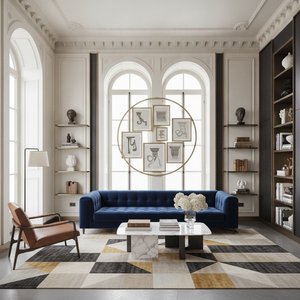
Beyond the Basics: The Power of Academic Classicism Reimagined for Modern Interiors
Discover the enduring power of Academic Classicism reimagined. Explore how technical mastery, light, and form from historical masterpieces can elevate modern interiors through premium, hand-painted oil reproductions and expert art consultation.

Mastering Perfection: A Definitive Guide to the Elegance and Precision of Academic Classicism
Explore the rigorous beauty of Academic Classicism. Discover the principles of order, precision, and historical reverence that define this timeless art movement through an expert guide to its enduring legacy and technical mastery.
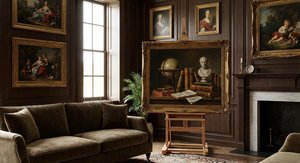
Academic Realism's Finest: 10 Masterpieces for Art Lovers & Home Decor
Explore 10 defining Academic Realism masterpieces by Bouguereau, Gérôme & Cabanel. Discover the stories behind these iconic paintings and bring timeless art into your home with museum-quality reproductions from OriginalUniqueArt.com. Explore the full collection online!
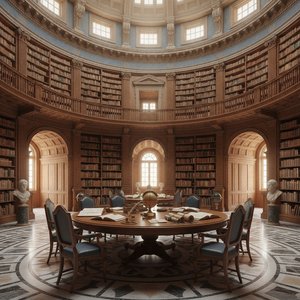
The Timeless Elegance of Academic Classicism: A Journey Through Order, Precision, and the Pursuit of Perfection
Explore the profound beauty of Academic Classicism. Discover how masters used order, precision, and classical ideals to achieve timeless perfection in art history, from Neoclassical portraits to the pursuit of ideal beauty.

Mastering Perfection: A Definitive Guide to the Elegance and Precision of Academic Classicism
Discover the profound beauty of Academic Classicism. Explore the principles of order, anatomical precision, and the enduring legacy of Neoclassical masters through this expert guide to timeless elegance and technical perfection in fine art.


