 미리보기
미리보기
 프린트 구매
 공유하기
공유하기 공유하기
공유하기
 상세 정보
상세 정보

 다운로드
다운로드
 유사 작품
유사 작품 X-레이
X-레이 슬라이드 쇼
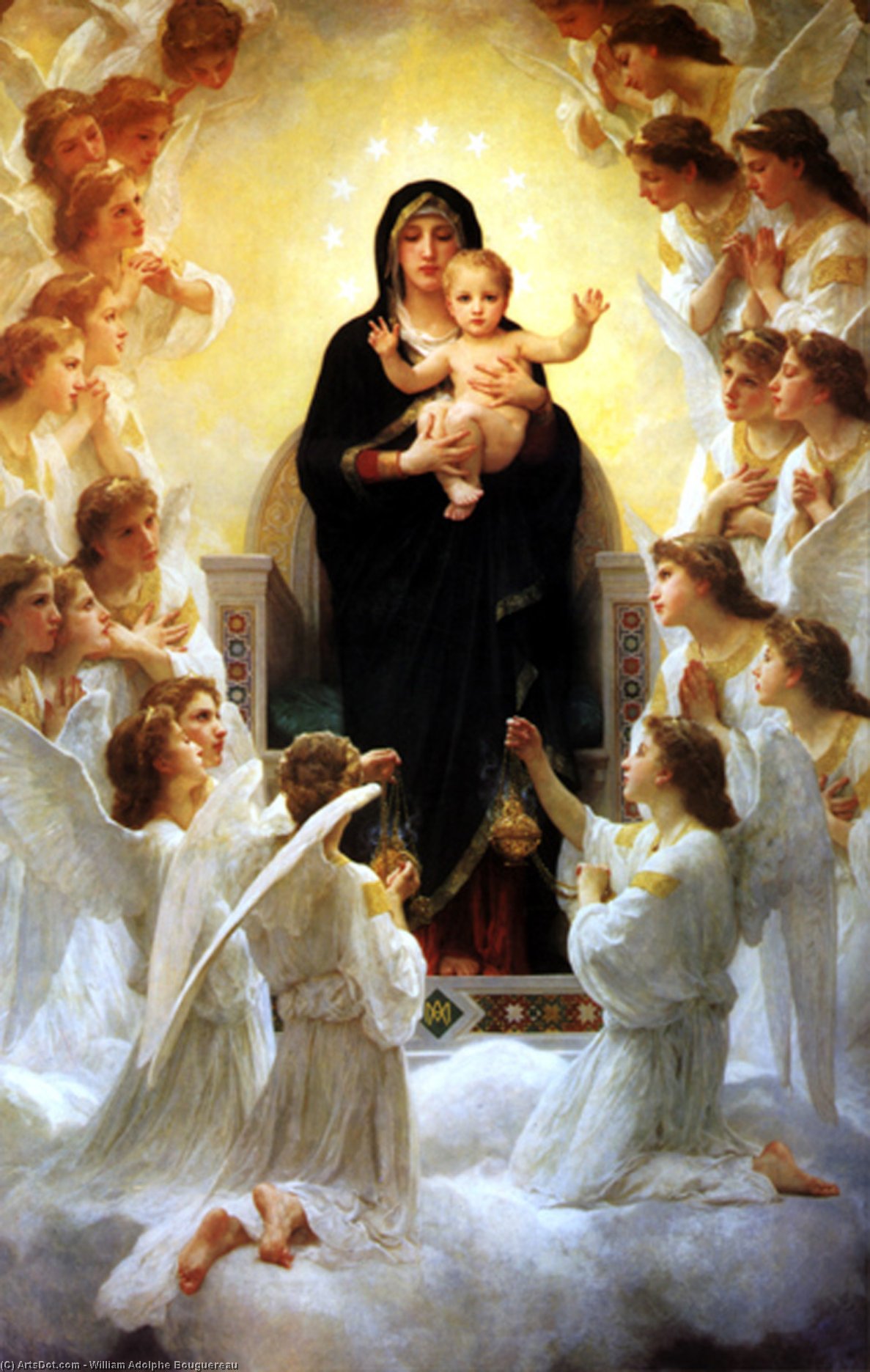
The Virgin With Angels


 더 보기
더 보기




P118B $10

P118H $10

P118W $10

P438Z $10

P508JH $12

P508YH $12

P805H $10

P805Z $10

P919BZ $10

P919G $10

P919XJ $10

P959ZH $10

P968JZ $12

W106C $8

W218G $10

W218JH $8

W218Y $10

W307PJ $10

W316G $10

W316PJ $8

W316Y $10

W398PJ $8

W4111J $10

W500HY $15

W500JH $15

W692G $12

W849H $8

W940BG $15

W953PJ $8




작품의 원본 비율을 유지하는 미리 설정된 크기 중에서 선택하세요.

특정 프레임이나 공간에 맞도록 직접 크기를 입력할 수 있습니다. 선택하신 크기가 원본 이미지의 비율과 일치하지 않는 경우, 작품을 자르거나 추가적인 손으로 그린 요소를 사용하여 그림을 확장합니다. 제작 시작 전 승인을 위해 디지털 목업을 보내드립니다.
화면 미리 보기는 실제 자르기 또는 확장을 반영하지 않습니다. 최종 구성은 목업을 통해서만 정확하게 확인하실 수 있습니다.
맞춤 크기 제작도 가능하지만, 원본 비율을 유지하기 위해 사전 정의된 목록에서 크기를 선택하시는 것을 권장합니다.
주문 후 OriginalUniqueArt.com 팀에서 상세 안내를 위해 고객님께 이메일을 보내드리며, 미리보기 시안을 제공해 드립니다.


 유리 옵션은 110cm 미만 크기에서만 선택 가능합니다.

The Virgin With Angels
재현 기법
복제본 크기
-


최종 결제 금액
$ 300
작품 상세 설명
A Vision of Heavenly Grace: Exploring Bouguereau’s ‘The Virgin With Angels’
William-Adolphe Bouguereau, a titan amongst Academic painters, achieved renown for his ability to distill the essence of classical ideals into breathtakingly realistic depictions. Born in La Rochelle in 1825, Bouguereau's artistic journey began with a fervent embrace of Raphael and Titian – masters whose influence would permeate every brushstroke of his oeuvre. This dedication to meticulous observation combined with an unwavering belief in inherent beauty resulted in canvases that transcend mere representation; they embody a profound spiritual contemplation. ‘The Virgin With Angels,’ completed in 1900, exemplifies this artistic philosophy perfectly.Subject Matter and Composition: Mythological Reverence Rendered Real
At its core, the painting presents a familiar biblical narrative – Mary cradling Jesus – yet Bouguereau elevates it beyond simple storytelling. He doesn’t merely portray figures; he sculpts them with light and shadow, imbuing them with palpable emotion. The Virgin Mary is positioned centrally, radiating serenity as she gazes upwards towards the angelic chorus surrounding her. This upward gaze symbolizes faith and aspiration, mirroring the divine realm above. Bouguereau skillfully arranges the angels in graduated tiers, creating a dynamic visual hierarchy that draws the viewer’s eye upwards, reinforcing the spiritual significance of the scene. The cloudy backdrop serves not merely as an atmospheric element but also contributes to the painting's contemplative mood, suggesting a timeless expanse beyond earthly concerns.Technique and Style: Bouguereau’s Pursuit of Idealized Perfection
Bouguereau’s technique is characterized by painstaking detail and masterful glazing – a process whereby thin layers of translucent paint are applied over subsequent opaque layers to achieve luminous color palettes and subtle tonal variations. This meticulous approach allowed him to capture the textures of fabric, skin, and drapery with astonishing accuracy, creating an illusion of palpable physicality despite the idealized figures depicted. The artist’s palette favors muted tones – creams, golds, and pale blues – reflecting the solemnity of the subject matter and enhancing the painting's ethereal quality. Bouguereau deliberately avoided Impressionistic brushstrokes, prioritizing clarity and precision to convey his vision of beauty as conceived by the Renaissance masters.Historical Context: The Salon Era and Artistic Ideals
‘The Virgin With Angels’ debuted during the height of the Salon era in Paris – a period defined by stringent artistic standards dictated by the Académie des Beaux-Arts. Bouguereau's work was celebrated for its adherence to classical principles, specifically those championed by Raphael and Michelangelo. The painting reflects the broader cultural preoccupation with religious iconography and moral virtue prevalent at the time. It speaks to an aesthetic sensibility that valued idealized form and harmonious composition above all else – a worldview sharply contrasted with the burgeoning Impressionist movement’s focus on capturing fleeting moments of sensory experience.Symbolism: Angels as Embodiments of Divine Grace
The angels depicted in ‘The Virgin With Angels’ are more than mere decorative elements; they represent divine grace and guardianship. Their luminous halos symbolize holiness, while their outstretched hands convey compassion and protection. The angels' gaze upwards signifies reverence for God and reinforces the painting’s spiritual message. Bouguereau skillfully utilizes symbolism to elevate the narrative beyond its literal depiction, inviting viewers to contemplate themes of faith, purity, and divine benevolence.Emotional Impact: A Balm for the Soul
Ultimately, ‘The Virgin With Angels’ transcends mere visual beauty; it evokes a profound emotional response. The painting's serene composition and luminous color palette instill a sense of tranquility and contemplation. It captures the essence of Christian piety – humility before God and unwavering devotion to Mary – offering viewers a timeless reminder of spiritual solace and artistic excellence.작가 약력
William-Adolphe Bouguereau - A Life Immersed in Beauty
Born in 1825, amidst the vineyards and olive groves of La Rochelle, France, William-Adolphe Bouguereau’s life was destined to be a celebration of classical ideals and breathtaking realism. From an early age, his artistic inclinations were nurtured, leading him to Paris and the prestigious École des Beaux-Arts. There, under the guidance of François-Edouard Picquenot, he honed his skills, absorbing the lessons of the Old Masters – Raphael and Titian foremost among them. These influences weren’t mere imitation; they became the bedrock upon which Bouguereau built a unique artistic vision, one characterized by meticulous detail, luminous color palettes, and an unwavering commitment to portraying beauty in its most idealized form. He wasn't simply painting what he *saw*, but rather what he believed to be inherently beautiful, striving for a perfection that resonated with the aesthetic sensibilities of his time.The École des Beaux-Arts and Artistic Training
Bouguereau entered the École des Beaux-Arts in 1846 and was awarded the Prix de Rome in 1850. This prestigious scholarship propelled him to Rome, where he spent four formative years studying under Giuseppe Buonaccorsi and Giovanni Fattori – masters who instilled in him a profound understanding of classical sculpture and painting techniques. The École’s curriculum emphasized anatomical accuracy and meticulous draftsmanship, shaping Bouguereau's artistic approach for decades to come. He diligently practiced drawing from plaster casts of ancient sculptures, mastering the art of capturing form and volume with unparalleled precision. This dedication to fundamental skills would become a hallmark of his oeuvre, informing every brushstroke and contributing to the remarkable realism that distinguishes his canvases.A Master Painter: Style and Technique
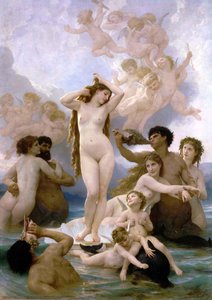
Bouguereau’s artistic style is often described as academic realism, and rightfully so. He possessed an unparalleled mastery of anatomy, light, and composition. His canvases are populated by figures rendered with astonishing precision – the delicate curve of a shoulder, the subtle flush of skin, the expressive depth of an eye. But his work transcends mere technical skill; it’s infused with emotion and narrative power. He frequently depicted mythological scenes, transforming ancient tales into vibrant, emotionally resonant moments. *The Birth of Venus*, for example, isn't just a depiction of a goddess emerging from the sea; it’s a celebration of feminine grace and ethereal beauty. Similarly, works like *Zenobia Found by Shepherds on the Banks of the Araxes* capture vulnerability and pathos with remarkable sensitivity. Beyond mythology, Bouguereau found inspiration in everyday life – shepherdesses tending their flocks, young girls at play, mothers cradling their children. These genre scenes, while seemingly simple, are imbued with a sense of dignity and tenderness that elevates them to the realm of art. *Faneuse (1869)* exemplifies this approach, portraying a young woman in a tranquil landscape with an exquisite attention to detail and atmosphere. His dedication to capturing innocence is particularly evident in paintings like *Child at Bath*, where the delicate rendering of skin and light creates a truly captivating image. He achieved this remarkable realism through painstaking layering of glazes – applying thin washes of color over multiple layers to build up depth, luminosity, and subtle tonal variations. This technique allowed him to capture the nuances of natural light with breathtaking accuracy, creating canvases that seem to radiate warmth and vitality.Mythological Visions: Venus and Beyond
Bouguereau’s fascination with mythology fueled many of his most iconic paintings. *The Birth of Venus*, arguably his masterpiece, embodies the artist's vision of idealized beauty – a goddess emerging from the sea in a swirl of drapery and light. Bouguereau meticulously studied classical sculptures to inform his depiction of Venus, capturing her serene expression and graceful posture with astonishing precision. He skillfully employed chiaroscuro—the dramatic interplay of light and shadow—to heighten the emotional impact of the scene and create a sense of ethereal grandeur. Similarly, *Zenobia Found by Shepherds on the Banks of the Araxes* portrays Zenobia, Queen of Palmyra, as she is discovered by shepherds – a poignant depiction of vulnerability and resilience. Bouguereau’s masterful handling of color and composition contributes to the painting's evocative atmosphere, transporting viewers to the ancient landscape of Syria. He approached mythological subjects with unwavering seriousness, striving for artistic perfection while simultaneously conveying profound emotional truths.Legacy and Influence
Despite initial skepticism from avant-garde critics, Bouguereau achieved widespread acclaim during his lifetime. He was recognized as one of France’s most celebrated painters, receiving numerous awards and commissions from influential patrons. His influence extended beyond the Salon, inspiring generations of artists who admired his technical brilliance and artistic integrity. Contemporary figurative painting continues to draw inspiration from Bouguereau's mastery of form and light—a testament to his enduring legacy as a champion of classical ideals and a pioneer of academic realism. Song of the Angels (1881), with its ethereal beauty and serene composition, remains a particularly celebrated masterpiece, embodying the artist’s ability to evoke a sense of wonder and spiritual transcendence. Bouguereau's unwavering commitment to traditional artistic values—anatomical accuracy, meticulous draftsmanship, and emotional expression—continues to resonate with audiences today. He solidified his place in art history as a pivotal figure representing the pinnacle of academic artistry and offering a timeless vision of beauty that transcends time itself.
빌리엄 아돌프 부가레오
1825 - 1905 , 프랑스
주요 정보
- Artistic Movement Or Style: 아카데미즘 리얼리즘
- Artists Who Influenced This Artist:
- 라파엘
- 티치아노
- Date Of Birth: 1825년 11월 30일 로셸 프랑스
- Date Of Death: 1905년 8월 19일 로셸 프랑스
- Full Name: William-Adolphe Bouguereau
- Nationality: 프랑스 국적
- Notable Artworks:
- 신생부활절식
- 베르제레 1886년
- 욕조 속 아이들
- 천사들의 노래
- Place Of Birth: 로셸 프랑스
관련 기사 더 보기
Neo-Classicism's Greatest Hits: 10 Masterpieces for Your Home |
Journey through Neo-Classicism's finest! Explore 10 iconic masterpieces by David, Ingres & Canova. Discover art history, techniques & timeless beauty – perfect for inspiring your home decor. Find museum-quality reproductions at
프라 안젤리코의 걸작 25선: 천상의 아름다움을 담은 명화 컬렉션 | OriginalUniqueArt
프라 안젤리코의 천상의 아름다움을 담은 25개의 명작을 만나보세요. 르네상스 시대 종교화, 금박 기법, 섬세한 색채가 빛나는 예술 작품들을 OriginalUniqueArt에서 감상하고 특별한 인테리어로 완성하세요. 지금 바로 컬렉션을 탐험하세요!

Divine Grace: An Art Historian's Journey Through Iconic Masterpieces of the Virgin Mary
Explore the profound beauty of Marian iconography through an art historian's lens. Discover iconic masterpieces by Raphael and Renaissance masters, celebrating the divine grace and timeless elegance of the Virgin Mary in classical fine art.
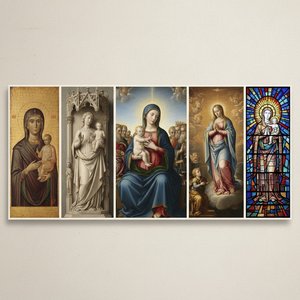
Divine Grace: A Journey Through the Most Iconic Depictions of the Virgin Mary in Art History
Embark on a profound journey through art history with our exploration of the most iconic depictions of the Virgin Mary. Discover the divine grace, symbolism, and masterful techniques found in Renaissance masterpieces and sacred iconography.
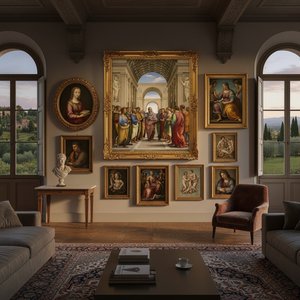
라파엘의 걸작 25선: 예술과 영혼을 담은 명화 컬렉션 | OriginalUniqueArt
라파엘의 걸작 25선을 만나보세요. 르네상스 시대 예술가의 섬세한 기법과 영혼을 담은 명화들을 감상하고, 아테네 학당, 천사의 학교 등 대표 작품의 숨겨진 이야기를 OriginalUniqueArt에서 확인하세요. 고급 아트 프린트로 공간에 우아함을 더해보세요! 지금 바로 컬렉션을 탐험하세요.