 더 보기
더 보기


 가로 또는 세로 중 어느 한 면이라도 105cm(약 41인치)를 초과하는 작품이나 복제화의 경우, 프레임은 분해된 키트 형태로 배송됩니다. 이는 안전한 배송을 보장하고 운송 중 발생할 수 있는 손상을 방지하기 위함입니다.


이 작품에 대해 더 알아보기
텍스트 크기

() ·
당신만을 위해 손으로 직접 그린 그림
핸드메이드 유화 복제화
작가가 직접 캔버스에 손으로 그린 유화 작품으로, 원하는 크기와 액자로 맞춤 제작해 드립니다. ( 프린트 판매로 전환 디지털 이미지로 전환)
수집품 상세 설명
Explore 'Objects of Vertu' by Willes Maddox (1844). A lavish Baroque still life showcasing opulent gold & silver vessels. Discover 19th-century realism & masterful detail.
작가 프로필
Discover Willes Maddox’s captivating portraits & biblical scenes! Explore his masterful style & iconic works like ‘The Annunciation.’ A significant 19th-century artist.
~부터 ·
제1장
어느 정도 크기가 적당할까요?
슬라이드를 움직여 크기를 변경해 보세요. 왼쪽의 이미지는 프레임의 실제 너비를 보여줍니다. 원작의 비율은 그대로 유지됩니다.
표준 규격
맞춤형
CM
INCH
작품의 원본 비율을 그대로 유지하는 프리셋 사이즈 중에서 선택해 보세요.
사이즈 불러오는 중...

가로 너비
세로 길이
액자나 벽면 크기에 맞춰 필요한 가로와 세로 길이를 입력해 주세요. 본 작품은 수작업으로 제작되므로, 요청하신 비율에 따라 작가가 그림의 가장자리를 조금 더 넓게 그리거나 일부를 조정하여 작업할 수 있습니다. 작업 시작 전, 최종 확인을 위해 디지털 목업 이미지를 보내드립니다. 이 페이지에 표시된 이미지는 실제 결과물과 다를 수 있으며, 오직 목업 이미지만이 정확한 결과물을 보여줍니다.
제2장
어떤 방식으로 배송받기를 원하시나요?
캔버스 옆면 스타일 선택
프레임을 선택하세요

화이트 테두리 ₩1

블러사이드 ₩1

옆면 확장형 ₩1

P118B ₩10

P118H ₩10

P118W ₩10

P438Z ₩10

P508JH ₩12

P508YH ₩12

P805H ₩10

P805Z ₩10

P919BZ ₩10

P919G ₩10

P919XJ ₩10

P959ZH ₩10

P968JZ ₩12

W106C ₩8

W218G ₩10

W218JH ₩8

W218Y ₩10

W307PJ ₩10

W316G ₩10

W316PJ ₩8

W316Y ₩10

W398PJ ₩8

W4111J ₩10

W500HY ₩15

W500JH ₩15

W692G ₩12

W849H ₩8

W940BG ₩15

W953PJ ₩8

H24-GOLD ₩30

H24-SILVER ₩30

H36-GOLD ₩45

H36-SILVER ₩45
액자형
몰딩: . 액자 포함 전체 크기: .
제3장
누가 그리며, 변경해야 할 사항이 있나요?
제4장
마지막 마무리 작업
박물관에 있는 것과 같은 명판을 원하시나요?
동판 각인 상세 정보
This elegant plaque features the artist's name and the title of the artwork, finely engraved for a timeless presentation.
It is made from bronze with a refined, elegant finish. The text is precisely laser-engraved for a sharp and permanent result. Measuring 9x2 cm, the plaque is compact yet easy to read. It's built to be durable and scratch-resistant, offering a professional, museum-quality look. Mounting is simple thanks to the included adhesive backing.
투명 아크릴 명판 상세 정보
The plaque includes essential engraved details such as the artist's name, the title of the artwork, the date it was created, the type of media used-like oil on canvas or watercolor-a brief description of the piece, and a QR code that links to the complete artwork information.
It is crafted from clear acrylic, offering a sleek, modern appearance. The text is UV-engraved in black to ensure strong visual contrast. With a size of 10x15 cm, it ensures optimal readability. It comes equipped with two metal hooks for secure wall mounting. The plaque is designed to be weather-resistant, making it suitable for various environments, and it includes interactive features that work seamlessly with smartphone scanning.
블랙 아크릴 명판 상세 정보
This elegant plaque includes engraved information such as the artist's name, the title of the artwork, the date it was created, the type of media used (like oil on canvas or watercolor), a short description of the artwork, and a QR code for quick access to more information.
The plaque itself is made from refined black acrylic with a premium finish. The text is laser-engraved in white for high contrast and readability. Its size is 10x15 cm, designed to be easy to read. It comes with two metal hooks for professional mounting. The design is sleek and fits any interior style. It is also weather-resistant and durable, with built-in digital integration for mobile compatibility.
보호용 바니시를 선택하시겠습니까?
언제 받기를 원하시나요?
제5장
주문하신 그대로의 작품
Objects of Vertu
재현 기법
복제본 크기
-
엄선된 시니어 아티스트
더욱 세밀한 묘사와 정교함, 그리고 충분한 제작 시간
-
복제화 액자 구성
-
-
가로 또는 세로 중 어느 한 면이라도 105cm(약 41인치)를 초과하는 작품이나 복제화의 경우, 프레임은 분해된 키트 형태로 배송됩니다. 이는 안전한 배송을 보장하고 운송 중 발생할 수 있는 손상을 방지하기 위함입니다.
전문가 조립 권장 - 본 제품은 DIY용이 아닙니다.
해당 키트는 숙련된 전문 프레임 제작자가 목공용 풀(별도 구매), 캔버스 스트레칭 플라이어 및 풀이 마르는 동안 나무 틀의 수평을 유지할 클램프를 사용하여 캔버스를 팽팽하게 고정하고 조립해야 합니다. 잘못된 조립이나 불균형한 캔버스 장력은 작품에 영구적인 손상을 입힐 수 있으며, 이로 인한 손상은 보증 범위에 포함되지 않습니다.
모든 원목 부재가 포함되어 있으며, 조립에 딱 맞게 정밀하게 재단되었습니다.
제공된 나사와 함께, 별도로 준비해야 하는 모서리 접합부용 목공용 풀을 사용하여 조립합니다. (목공용 풀은 포함되어 있지 않으므로 제작자께서 직접 준비해 주셔야 합니다.)
전문가용 도구가 필요하며 키트에 포함되어 있지 않습니다: 캔버스 스트레칭 플라이어(텐셔너)와 접착제가 마르는 동안 나무 틀의 수평을 유지하기 위한 클램프가 필요합니다.
주의사항:
모서리 접합부에는 목공용 풀이 필요하며, 풀이 완전히 마를 때까지 클램프로 바(bar)를 고정해야 합니다. 또한 조립된 프레임에 캔버스를 팽팽하게 당기려면 캔버스 스트레칭 플라이어가 필요합니다. 이 제품들 중 어느 것도 키트에 포함되어 있지 않습니다. 이 사이즈를 주문하시기 전에 숙련된 전문 액자 제작업체를 미리 섭외하시기 바랍니다.
작품 설명문
-
-
보호용 바니시
유광 바니시(색감을 선명하게 하며 빛과 습기로부터 보호함)
-
내 작품 맞춤 설정
변경 가능한 예시: 얼굴을 고객의 사진으로 교체, 반려동물 추가(예: 고양이를 강아지로 변경), 배경에 숨겨진 메시지 삽입, 배경 풍경 또는 요소 변경.
-
빠른 배송
전 세계 배송()은 기존 5주의 표준 기간 대신 3~4주 내에 완료됩니다. (11 11월). 품질에는 어떠한 타협도 하지 않습니다.
-
특급 배송
전 세계 배송(): 약 5주 소요 (18 11월).
포함됨
최종 결제 금액
₩ 400123
유리 옵션은 110cm 미만 크기에서만 선택 가능합니다.
모든 주문에 포함되는 혜택
- 전 세계 무료 특급 배송
- 프리미엄 린넨 캔버스
- 배송 전 과정 보험 적용
- 관세 및 수입세 환급 보장 서비스
- 원본과 동일한 색상 구현 보장
- 100일 이내 반품 정책 (결함 발생 시)
- 100% 환불 보장
- 다량 구매 할인 혜택
 미리보기
미리보기
 공유하기
공유하기 공유하기
공유하기
 상세 정보
상세 정보 가이드 보기

 다운로드
다운로드
 유사 작품 더 보기
 X-레이
X-레이 슬라이드 쇼 보기
 질의응답
질의응답 통계 정보
통계 정보수치로 보는
- 1844제작 연도
- 29선택 가능한 프레임
- 고유의 비율을 유지한 표준 사이즈
- 5작품 제작 및 배송까지 수주 소요
원작 안내

- 74.0 x 67.0 cm


Willes Maddox
1813 - 1853
Willes Maddox에 관한 주요 정보
- Artistic Movement Or Style: Portraiture, Biblical
- Artists Or Movements Influenced By This Artist: ['Baroque Painting']
- Artists Who Influenced This Artist: ['William Beckford']
- Date Of Birth: 1813
- Date Of Death: 1853
- Full Name: Willis Maddox
- Nationality: English
- Notable Artworks:
- The Annunciation
- Naomi, Ruth, and Orpah
- Halil Aga Riskalla
- Place Of Birth: Bath, England
작가 정보
The Enigmatic Visionary: Willes Maddox (1813-1853)
Willes Maddox, a name perhaps less familiar than some of his contemporaries, nevertheless represents a significant and quietly powerful voice within 19th-century British art. Born in Bath in 1813, Maddox’s life was tragically cut short at the age of thirty-nine, yet during his brief but intensely productive career, he established himself as a master portraitist and a compelling interpreter of biblical narratives. His work, characterized by a remarkable sensitivity to light, texture, and emotional depth, reveals an artist deeply influenced by both the Baroque tradition and the burgeoning Romantic movement—a synthesis that produced a uniquely evocative style. Maddox’s story is intertwined with the patronage of notable figures like William Beckford, whose collection showcased his early talent, and later with commissions from the Ottoman Empire, offering him exposure to exotic cultures and artistic practices.Early Life and Artistic Training
Maddox's formative years were spent in a milieu that nurtured his artistic sensibilities. His upbringing within the Beckford family provided access to a world of refined taste and considerable wealth, affording him opportunities for instruction and exposure to fine art. While specific details regarding his formal training remain somewhat elusive—he was not formally trained at an academy—it’s clear he possessed a natural aptitude and a relentless dedication to honing his craft. Early works, such as depictions of sacred scenes like “The Annunciation,” demonstrate a remarkable command of composition, color, and the rendering of drapery – hallmarks that would define his later career. These early pieces reveal a strong grounding in Baroque principles, particularly evident in their dramatic lighting and dynamic arrangements.A Portraitist of Distinction
Beyond his religious paintings, Maddox distinguished himself as a skilled portraitist. His portraits were not merely likenesses; they sought to capture the inner life and character of his subjects. He possessed an uncanny ability to convey personality through subtle gestures, expressions, and the nuances of dress. The portrait of Halil Aga Riskalla, an Ottoman ambassador, exemplifies this skill—a meticulously rendered depiction that transcends simple representation to offer a glimpse into the subject’s status and demeanor. These portraits demonstrate a keen eye for detail and a sophisticated understanding of human psychology, solidifying his reputation as a respected artist within London's elite circles.Biblical Scenes: A Fusion of Styles
Perhaps Maddox is most remembered for his series of biblical paintings, particularly “The Annunciation.” This iconic work—a dramatic portrayal of the angel Gabriel’s visit to Mary—is a testament to his artistic prowess. It seamlessly blends Baroque theatricality with Romantic emotionalism, employing rich colors, dynamic composition, and carefully orchestrated lighting to create a scene brimming with both spiritual significance and palpable drama. Other biblical scenes, such as depictions of Naomi, Ruth, and Orpah, showcase similar stylistic tendencies – a careful balance between classical restraint and expressive intensity. These works were often commissioned for private collections or religious institutions, reflecting the artist’s commitment to his faith and his ability to translate complex narratives into compelling visual forms.Legacy and Historical Significance
Despite his untimely death in Constantinople at the age of 39, Willes Maddox left a lasting mark on British art. His work represents a crucial link between the classical traditions of portraiture and the burgeoning Romantic movement, demonstrating a unique synthesis of stylistic elements. While he may not be as widely celebrated as some of his contemporaries, Maddox’s paintings continue to resonate with viewers today due to their emotional depth, technical skill, and evocative power. His influence can be seen in subsequent generations of British artists who sought to capture the complexities of human experience through a combination of realism and expressive intensity. Further research into Maddox's life and work continues to shed light on this enigmatic visionary, solidifying his place as an important figure in 19th-century art history. His dedication to capturing both the external appearance and internal essence of his subjects remains a testament to his artistic skill and profound understanding of human nature.관련 콘텐츠

Silent Narratives: Exploring the Enduring Appeal of Still Life Painting Across Centuries
Explore the rich history of still life painting with OriginalUniqueArt. Discover Dutch Masters, decode vanitas symbolism & learn about collecting timeless art. Expert insights and museum-quality reproductions.

화려함 속에 감춰진 진실! 바로크 미술을 정의한 10대 걸작 탐구
화려함과 극적인 표현이 압권! 바로크 미술을 대표하는 10대 걸작의 숨겨진 이야기를 만나보세요. 베르니니, 루벤스 등 거장의 작품부터 바로크 색감, 예술적 기법까지 – OriginalUniqueArt.com에서 명품 복제 & 인테리어 영감을 얻으세요! 지금 바로 컬렉션을 탐험해보세요.

바로크의 드라마: 현대 인테리어에 풍요로움과 감동을 불어넣기
바로크 예술의 풍요로운 세계를 탐험하고, 현대 인테리어에 감동을 불어넣는 방법을 OriginalUniqueArt에서 만나보세요. 카라바조, 렘브란트 등 거장들의 작품과 키아로스쿠로 기법 활용 노하우를 공개합니다.
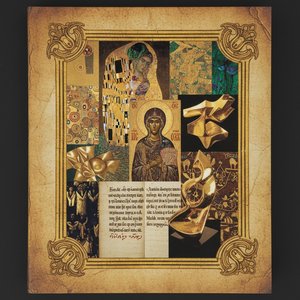
The Allure of Gold in Art History: Symbolism, Technique & Cultural Significance
Explore the rich history of gold in art! Discover symbolism, techniques & cultural significance from ancient civilizations to Klimt's masterpieces. Expert insights for collectors at OriginalUniqueArt.