프린트 판매로 전환
 더 보기
더 보기







































 가로 또는 세로 중 어느 한 면이라도 105cm(약 41인치)를 초과하는 작품이나 복제화의 경우, 프레임은 분해된 키트 형태로 배송됩니다. 이는 안전한 배송을 보장하고 운송 중 발생할 수 있는 손상을 방지하기 위함입니다.


A Still Life of Quiet Contemplation: Willem Claesz Heda’s Wawel Masterpiece
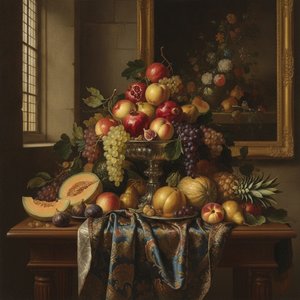
The painting “Still Life” by Willem Claesz Heda, completed in 1637, transcends mere representation; it embodies the spirit of its time—a moment captured with breathtaking precision and imbued with a subtle contemplation on mortality. Located at Wawel Royal Castle in Krakow, Poland, this artwork stands as one of nine signed Still lifes produced by Heda that year, cementing his reputation as a master of the monochrome banquet genre and elevating him to the ranks of Dutch artistic luminaries alongside Pieter Claesz.- Subject Matter: The composition centers around an austere table draped in dark green cloth, upon which rests a carefully arranged assortment of objects—primarily foodstuffs and tableware. Notably prominent is a brass ewer, affectionately nicknamed “Jan Steen’s Ewer,” alongside a silver mug, reflecting the artist's penchant for incorporating familiar motifs into his work.
- Style & Technique: Heda’s signature style is characterized by its remarkable restraint and meticulous observation. He eschewed grand gestures or dramatic narratives, opting instead for an almost unnerving stillness that invites viewers to linger on the subtle nuances of light and texture. The artist employed a masterful technique—oil paint on canvas—allowing him to achieve unparalleled realism in capturing the surfaces of his subjects. Light plays a crucial role, illuminating each item with diffused brilliance, creating an illusionistic depth that draws the eye inward.
Historical Context: The Dawn of Baroque Still Life
The 1630s marked a pivotal period in Dutch art history—the burgeoning influence of Baroque aesthetics began to reshape artistic sensibilities. While Heda’s work predates the full flowering of Baroque grandeur, it nonetheless anticipates its stylistic concerns. Like Claesz and other contemporaries, Heda wrestled with ideas surrounding *vanitas*, Latin for “nothingness,” a concept deeply rooted in Renaissance humanism but gaining increasing resonance during this era. The objects depicted—the fruit, the pewter dish containing mustard, the goblet—serve as potent symbols of earthly pleasures destined to decay, prompting reflection on the brevity of life and the inevitability of death.- Symbolism: Beyond its visual beauty, “Still Life” is laden with symbolic significance. The dark green cloth represents mourning, while the curled tablecloth underscores the passage of time. Each item—the ewer, the mug, the goblet—is meticulously rendered to convey not only their physical appearance but also their association with rituals of consumption and remembrance.
- Emotional Impact: Heda’s paintings don't provoke emotional upheaval; rather, they elicit a quiet sense of melancholy and awareness. The stillness of the scene encourages contemplation on themes of mortality and impermanence—a hallmark of Baroque art’s preoccupation with existential questions.
A Legacy of Precision: Heda’s Influence on Artistic Tradition
Willem Claesz Heda's dedication to capturing the essence of everyday objects elevated him to the status of artistic icon. His meticulous approach—often repeating motifs and experimenting with subtle variations—established a precedent for future generations of painters striving for realism and illusionism. “Still Life” remains an enduring testament to his genius, demonstrating that profound beauty can be found in simplicity and inviting viewers to engage in a dialogue about the human condition. Its placement at Wawel Royal Castle ensures its continued appreciation as a masterpiece of Dutch Baroque art.질의응답
주문하기 전에 빌럼 클라에스즈 헤다의 "Still Life"를 미리 볼 수 있나요?
"Still Life"의 가상 배치 미리보기 페이지에서는 주문 전 작품을 미리 확인할 수 있습니다.
1637년에 "Still Life"을(를) 제작할 당시 빌럼 클라에스즈 헤다의 나이는 몇 세였나요?
빌럼 클라에스즈 헤다은(는) 1637년에 "Still Life"을(를) 제작했을 당시 43세였습니다. 이 나이는 작가의 출생 연도인 1594을(를) 기준으로 계산되었습니다.
빌럼 클라에스즈 헤다의 "Still Life"은(는) 대중적으로 잘 알려진 작품인가요?
빌럼 클라에스즈 헤다의 "Still Life"의 인기도는 Recognized 수준입니다. 이 분류는 해당 작품이 얼마나 널리 알려져 있는지를 반영합니다.
이 작품에 대해 더 알아보기
 미리보기
미리보기
 공유하기
공유하기 공유하기
공유하기
 상세 정보
상세 정보 가이드 보기

 다운로드
다운로드
 유사 작품 더 보기
 X-레이
X-레이 슬라이드 쇼 보기
 질의응답
질의응답 통계 정보
통계 정보