

 실제 크기로 보기
 보내기
보내기 공유하기
공유하기
 상세 보기
상세 보기 가이드 보기

 이미지 다운로드
 유사 작품 더 보기
 X-레이
X-레이 슬라이드 쇼 보기
 통계 정보
통계 정보Preface by Wilfred Owen
 1918
1918 26.0 x 20.0 cm
 상세 보기
상세 보기
지클레 / 아트 프린트
빠른 제작과 다양한 마감 옵션을 선택할 수 있는 박물관 수준의 지클레이 및 캔버스 프린트. ( 수작업 채색 복제본 주문하기 디지털 이미지 판매 채널로 전환)




































작품의 원본 비율을 그대로 유지하는 프리셋 사이즈 중에서 선택해 보세요.

특정 프레임이나 공간에 맞춰 직접 치수를 입력하실 수 있습니다. 선택하신 사이즈가 원본 이미지의 비율과 일치하지 않을 경우, 작품을 크롭(자르기)하거나 이미지를 대칭 또는 단색 채우기로 확장하여 제작합니다. 제작 시작 전, 최종 확인을 위해 디지털 목업이 전송됩니다.
화면상의 미리보기는 실제 크롭이나 확장 상태를 반영하지 않으므로, 최종 구도는 오직 목업을 통해서만 정확하게 확인하실 수 있습니다.
맞춤 사이즈 제작도 가능하지만, 원본 비율을 유지하기 위해서는 사전 정의된 목록에서 치수를 선택하시는 것을 권장합니다.


 유리 옵션은 110cm 미만 크기에서만 선택 가능합니다.

Preface by Wilfred Owen
지클레 / 아트 프린트
복제본 규격
-


총 결제 금액
$ 80
작가 소개
Wilfred Owen: A Voice of the Silent Trenches
Wilfred Edward Salter Owen, born in Oswestry, Shropshire, on March 18, 1893, remains one of the most profoundly influential and tragically short-lived voices of the First World War. His poetry, forged in the crucible of trench warfare and fueled by a searing empathy for his fellow soldiers, transcends mere documentation; it’s an indictment of war itself, a lament for lost innocence, and a testament to the enduring power of human experience. Owen's life was marked by a complex interplay of familial expectations, personal disillusionment, and ultimately, a fierce commitment to bearing witness through his verse. His untimely death on November 4, 1918 – just seven days before the armistice – robbed the world of a poet whose insights were desperately needed, yet his words continue to resonate with an unsettling clarity over a century later.Early Life and Influences
Owen’s childhood was rooted in a modest Shropshire landscape, shaped by the realities of post-industrial decline. His father, Thomas Owen, worked as a railway clerk, while his mother, Susan (née Shaw), instilled in him a strong sense of morality and compassion. The family's move to Birkenhead, a bustling port town, exposed young Wilfred to the stark contrasts of urban poverty and the anxieties of industrial life. This early exposure to hardship would profoundly inform his later poetry. He received an education at Birkenhead Institute and Shrewsbury Technical School, developing a love for literature, particularly the Romantic poets Wordsworth and Keats – figures who valued emotion, nature, and individual experience. Crucially, Owen’s time as a lay assistant to the Vicar of Dunsden provided him with a critical perspective on social injustice and religious hypocrisy, experiences that would later find expression in his unflinching depictions of war's brutality. His early influences were deeply intertwined with a nascent sense of social conscience and a yearning for artistic expression.The Shaping Influence of Siegfried Sassoon
Owen’s poetic trajectory took a dramatic turn when he entered Craiglockhart War Hospital in Edinburgh in January 1917. There, he encountered Siegfried Sassoon, a renowned poet and officer who was undergoing treatment for shell shock. Their relationship proved to be transformative. Initially, Owen held Sassoon in contempt, viewing him as aloof and detached from the realities of the front line. However, through intense discussions and shared experiences, they forged a deep intellectual bond. Sassoon’s own poetry, characterized by its sharp critique of war and its passionate advocacy for peace, profoundly influenced Owen's developing style and subject matter. Sassoon challenged Owen to move beyond patriotic verse and confront the horrors of trench warfare with unflinching honesty. This mentorship shifted Owen’s focus from heroic ideals to a stark portrayal of suffering, loss, and the psychological toll of war—a shift that would define his poetic legacy.The Poetry of the Trenches: Major Works
Owen's wartime poetry is characterized by its visceral realism, its unflinching depiction of trench life, and its profound exploration of human emotion in the face of unimaginable suffering. His most celebrated works—"Dulce et Decorum Est," "Insensibility," “Anthem for Doomed Youth,” “Futility,” “Spring Offensive,” and “Strange Meeting”—offer a harrowing glimpse into the physical and psychological realities of trench warfare. “Dulce et Decorum Est,” perhaps his most famous poem, vividly portrays the grotesque spectacle of a gas attack, culminating in a horrifying image of a dying soldier struggling to rise from the mud. "Insensibility" explores the emotional numbness experienced by soldiers exposed to constant bombardment, while “Anthem for Doomed Youth” captures the chaotic and dehumanizing nature of modern warfare. Owen’s use of vivid imagery, unflinching detail, and innovative poetic techniques—including free verse and irregular rhythms—broke with traditional war poetry conventions, forcing readers to confront the brutal truth of the conflict.Legacy and Historical Significance
Wilfred Owen's premature death on November 4, 1918, a week before the armistice, tragically cut short his promising career. Only a handful of his poems were published during his lifetime, but after his death, his work was championed by Siegfried Sassoon and Edith Sitwell, who played a crucial role in bringing his poetry to a wider audience. Owen’s collection *Poems* (1920) became an instant success, establishing him as one of the leading poets of the modernist movement. His unflinching portrayal of trench warfare challenged the romanticized notions of heroism prevalent at the time and offered a powerful indictment of war's senseless brutality. Owen’s legacy extends far beyond his individual poems; he is remembered as a pivotal figure in 20th-century poetry, whose work continues to inspire reflection on the human cost of conflict and the enduring power of art to bear witness to suffering. His voice—a voice born from the mud and blood of the trenches—remains profoundly relevant today.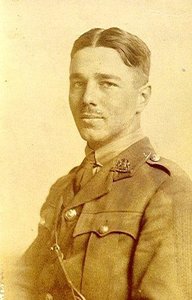
wilfred edward salter owen
1893 - 1918 , United Kingdom
작가 정보 요약
- Artistic Movement Or Style: Modernist poetry
- Artists Or Movements Influenced By This Artist: ['Romantic poets']
- Artists Who Influenced This Artist: ['Siegfried Sassoon']
- Date Of Birth: March 18, 1893
- Date Of Death: November 4, 1918
- Full Name: Wilfred Edward Salter Owen
- Nationality: British
- Notable Artworks:
- Dulce et Decorum Est
- Insensibility
- Anthem for Doomed Youth
- Futility
- Strange Meeting
- Place Of Birth: Oswestry, UK