
 미리보기
미리보기
 프린트 구매
 공유하기
공유하기 공유하기
공유하기
 상세 정보
상세 정보

 다운로드
다운로드
 유사 작품
유사 작품 X-레이
X-레이 슬라이드 쇼
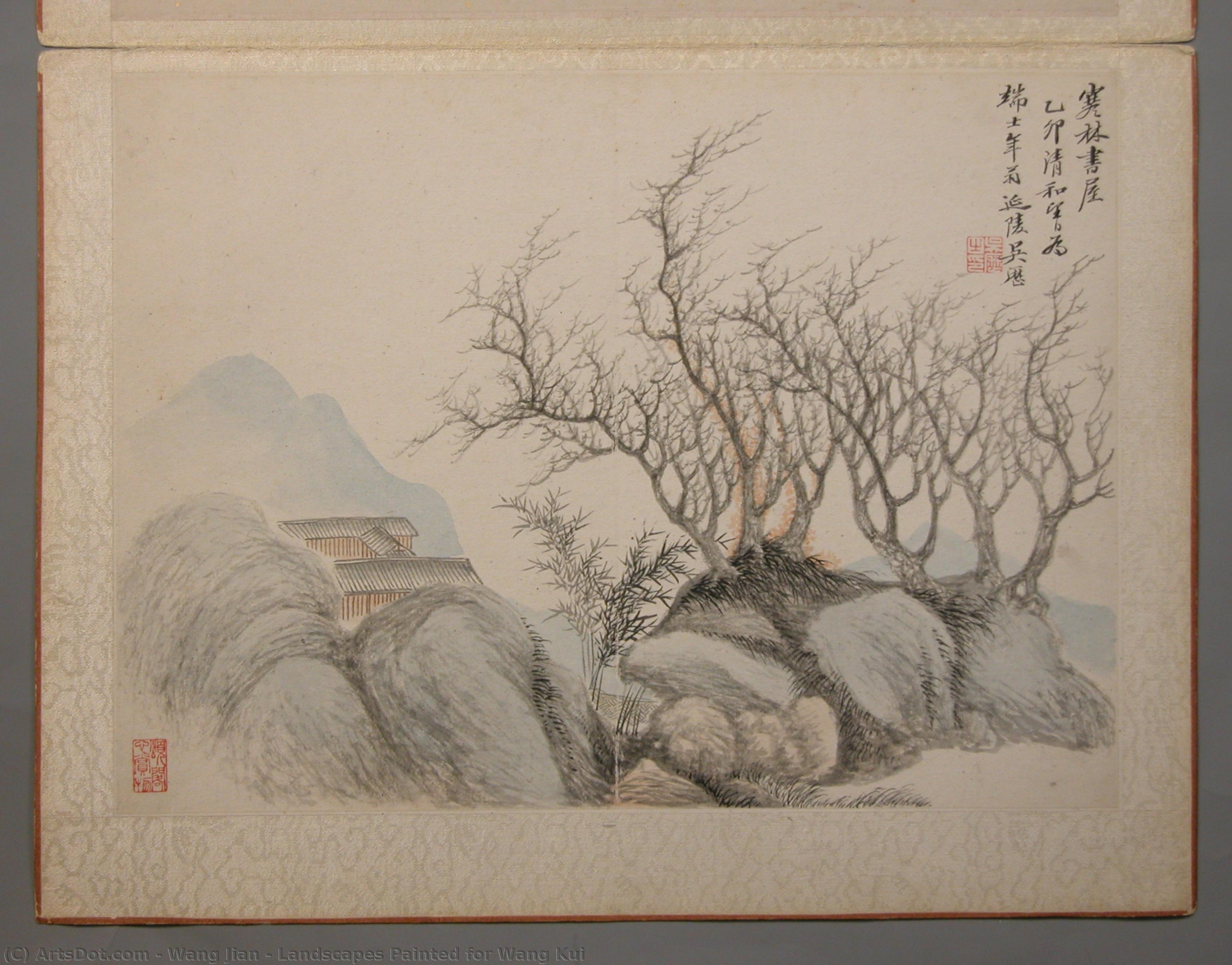
Landscapes Painted for Wang Kui


 더 보기
더 보기




































작품의 원본 비율을 유지하는 미리 설정된 크기 중에서 선택하세요.

특정 프레임이나 공간에 맞도록 직접 크기를 입력할 수 있습니다. 선택하신 크기가 원본 이미지의 비율과 일치하지 않는 경우, 작품을 자르거나 추가적인 손으로 그린 요소를 사용하여 그림을 확장합니다. 제작 시작 전 승인을 위해 디지털 목업을 보내드립니다.
화면 미리 보기는 실제 자르기 또는 확장을 반영하지 않습니다. 최종 구성은 목업을 통해서만 정확하게 확인하실 수 있습니다.
맞춤 크기 제작도 가능하지만, 원본 비율을 유지하기 위해 사전 정의된 목록에서 크기를 선택하시는 것을 권장합니다.
주문 후 OriginalUniqueArt.com 팀에서 상세 안내를 위해 고객님께 이메일을 보내드리며, 미리보기 시안을 제공해 드립니다.


 유리 옵션은 110cm 미만 크기에서만 선택 가능합니다.

Landscapes Painted for Wang Kui
재현 기법
복제본 크기
-


최종 결제 금액
$ 300
작가 약력
The Quiet Resonance of a Master
Born in the fertile cultural landscape of Taicang, Jiangsu, around 1598, Wang Jian emerged as a profound voice during one of China's most transformative eras. As the great-grandson of the illustrious Ming literary figure Wang Shizhen, he was steeped in a tradition of scholarly excellence from birth. His life, spanning the twilight of the Ming and the dawn of the Qing dynasty, was marked by a deliberate retreat from the political turbulence of his time. After serving briefly as the Prefers of Lianzhou, Wang Jian chose to abstain from the Manchu-led court, turning instead toward the eternal, silent realms of Shanshui painting. This period of contemplative seclusion allowed him to cultivate a spirit that would eventually define the Orthodox School of painting, earning him a place among the legendary Four Wangs and the Six Masters of the early Qing period.Through his various pseudonyms, including Xuanzhao and Xiangbi, he projected an identity rooted in the scholarly pursuit of nature's essence. His work was never merely about the depiction of scenery; it was a spiritual endeavor to capture the very breath of the earth.
A Tapestry of Ancient Lineages
Wang Jian’s artistic journey was not a solitary pursuit but a deep, reverent dialogue with the ghosts of the past. Under the masterful guidance of the influential painter-theorist Dong Qichang, Wang honed a technique that sought to preserve the very essence of ancient brushwork. He did not merely copy; he reinterpreted the masters through a lens of profound respect, ensuring that the distinctive characteristics of their ink and brush were preserved even as they were infused with his own interpretative spirit.His stylistic DNA was woven from the most celebrated traditions of the Song and Yuan dynasties, creating a bridge between eras. This commitment to lineage is evident in how he engaged with several key influences:
- The soft, flowing streams and ethereal mists characteristic of Dong Yuan.
- The rugged, tactile textures and "raindrop" strokes reminiscent of Fan Kuan.
- The structural integrity and monumental presence found in the works of Jing Hao and Guan Tong.
The Alchemy of Ink and Atmosphere
To gaze upon a Wang Jian landscape is to enter a world of profound serenity and controlled emotion. Eschewing the flamboyant ornamentation that occasionally characterized his contemporaries, Wang championed a philosophy of simplicity and restraint. His palette was a masterclass in subtlety, favoring muted hues and delicate gradations of ink wash that could evoke the dampness of a mountain mist or the solid weight of a granite cliff.In masterpieces such as "Mountain Scenery with Streams and Pavilions" (1667), one can witness his technical brilliance. He utilized layered washes to create a palpable sense of depth, where light seems to filter through layers of atmosphere rather than strike surfaces directly. This technique does more than depict scenery; it creates a space for Confucian contemplation, inviting the viewer to find harmony within the natural order. Every stroke, from the finest texture to the broadest wash, serves the ultimate goal of capturing the qi—the vital life force—of the landscape.
An Enduring Legacy of the Orthodox School
The historical significance of Wang Jian lies in his role as a guardian of tradition during a period of immense cultural shift. By anchoring his practice in the classical styles of the Song and Yuan dynasties, he provided a sense of continuity and stability for Chinese art amidst the transition from Ming to Qing rule. His prolific output, ranging from large-scale compositions to intimate, meticulously rendered albums, ensured that the Orthodox School would remain a dominant force in the aesthetic consciousness of the era.His legacy remains etched in the mountains and streams he so lovingly rendered. Through his dedication to the mastery of ancient styles, Wang Jian did not just paint the landscape; he preserved the soul of a civilization within the enduring beauty of ink and paper.
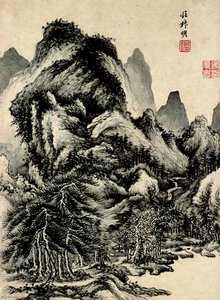
Wang Jian
1598 - 1677 , China
주요 정보
- Artistic Movement Or Style: Dong Yuan Style
- Artists Or Movements Influenced By This Artist: ['Four Wangs']
- Artists Who Influenced This Artist: ['Dong Yuan']
- Date Of Birth: 1598
- Date Of Death: 1677
- Full Name: Wang Jian
- Nationality: Chinese
- Notable Artworks:
- Landscapes Painted for Wang Kui
- Miniature Landscapes in Ancient Styles\n\nLeaf 1
- Mountain Scenery with Streams and Pavilions in the Style of Fan Kuan
- Place Of Birth: Taicang, China
관련 기사 더 보기
Beyond the Horizon: 10 Landscape Masterpieces for Your Home Decor
Journey through 10 breathtaking landscape paintings by Monet, Van Gogh & more! Explore iconic artworks, artistic techniques & find inspiration for your home decor. Museum-quality reproductions at OriginalUniqueArt.com. Discover all masterpieces on OriginalUniqueArt.com

낭만 풍경화의 황홀! 예술사에 빛난 10대 걸작 탐구 | 와후아트
낭만주의 시대, 예술혼을 불태운 10대 풍경화 걸작! 터너부터 프리드리히까지, 시대를 초월하는 아름다움을 와후아트에서 만나보세요. 고흐의 색채와 코로의 섬세함이 당신의 공간에 영감을 더합니다. 지금 바로 와후아트에서 명품 미술 작품을 감상하고 구매하세요!

Evocations of Place: A Historical Journey Through Landscape Art
Explore the rich history of landscape art with OriginalUniqueArt. Discover renowned artists, movements like Impressionism & Romanticism, and expert guidance for collecting timeless pieces. Find your perfect serene escape today!

존 컨스터블 대표작 25선: 영국 풍경화의 거장, 자연과 감성을 담은 명화 컬렉션 | OriginalUniqueArt
존 컨스터블 대표작 25선을 만나보세요. 영국 풍경화 거장의 자연주의 회화, 데담 밸리의 아름다움과 헤이 웨인의 정취를 담은 명화를 감상하세요. OriginalUniqueArt에서 고품질 예술 작품 복제본을 소장하고 특별한 인테리어를 완성해보세요. 지금 바로 컬렉션을 탐험하세요!
Capturing Stillness: A Curated Exploration of the Most Iconic Lake Landscapes in Art History
Journey through art history's most serene lake landscapes. From Romantic vistas to light-drenched Impressionist waters, discover the stories behind these iconic masterpieces and find museum-quality, hand-painted oil reproductions for your private collection.

