

 실제 크기로 보기
 보내기
보내기 공유하기
공유하기
 상세 보기
상세 보기 가이드 보기

 이미지 다운로드
 유사 작품 더 보기
 X-레이
X-레이 슬라이드 쇼 보기
 통계 정보
통계 정보Apple Basket
 Oil
Oil- WallArt
- American Modernism
 1933
1933- Modern
 74.0 x 100.0 cm
 McNay Art Museum
 상세 보기
상세 보기
지클레 / 아트 프린트
빠른 제작과 다양한 마감 옵션을 선택할 수 있는 박물관 수준의 지클레이 및 캔버스 프린트. ( 수작업 채색 복제본 주문하기 디지털 이미지 판매 채널로 전환)




P118B $10

P118H $10

P118W $10

P438Z $10

P508JH $12

P508YH $12

P805H $10

P805Z $10

P919BZ $10

P919G $10

P919XJ $10

P959ZH $10

P968JZ $12

W106C $8

W218G $10

W218JH $8

W218Y $10

W307PJ $10

W316G $10

W316PJ $8

W316Y $10

W398PJ $8

W4111J $10

W500HY $15

W500JH $15

W692G $12

W849H $8

W940BG $15

W953PJ $8




작품의 원본 비율을 그대로 유지하는 프리셋 사이즈 중에서 선택해 보세요.

특정 프레임이나 공간에 맞춰 직접 치수를 입력하실 수 있습니다. 선택하신 사이즈가 원본 이미지의 비율과 일치하지 않을 경우, 작품을 크롭(자르기)하거나 이미지를 대칭 또는 단색 채우기로 확장하여 제작합니다. 제작 시작 전, 최종 확인을 위해 디지털 목업이 전송됩니다.
화면상의 미리보기는 실제 크롭이나 확장 상태를 반영하지 않으므로, 최종 구도는 오직 목업을 통해서만 정확하게 확인하실 수 있습니다.
맞춤 사이즈 제작도 가능하지만, 원본 비율을 유지하기 위해서는 사전 정의된 목록에서 치수를 선택하시는 것을 권장합니다.


 유리 옵션은 110cm 미만 크기에서만 선택 가능합니다.

Apple Basket
지클레 / 아트 프린트
복제본 규격
-


총 결제 금액
$ 80
A Symphony of Crimson and Light
In the quiet intimacy of Apple Basket, created in 1933 by the American modernist Walt Kuhn, we find a profound meditation on the beauty of simplicity. This exquisite still life invites the viewer into a serene domestic space, where the humble subject of fruit is elevated to a state of grace. The composition centers on a woven basket overflowing with ripe, red apples, their skins catching the light with a soft, tactile luster. Some fruits rest nestled deep within the shadows of the wicker, while others appear to tumble toward the edge, creating a sense of effortless abundance. A few stray apples lie scattered upon the table, breaking the formal arrangement and lending an organic, lived-in quality to the scene that resonates deeply with anyone who finds poetry in the everyday.
The technique employed by Kuhn reflects his sophisticated understanding of form and light, characteristic of a painter who navigated the transition from traditional studies to the bold energies of modernism. Through masterful brushwork, he captures the varying textures of the smooth, taut apple skins against the rough, rhythmic patterns of the basket's weave. The interplay of light and shadow is not merely a technical feat but an emotional one; it breathes life into the fruit, giving each piece a weight and presence that feels almost tangible. For the discerning collector or interior designer, this painting offers a balanced palette of warm reds and earthy tones, making it a versatile masterpiece capable of anchoring a room with both warmth and quiet sophistication.
The Legacy of a Modernist Vision
To appreciate Apple Basket, one must consider the hand behind the brush. Walt Kuhn was not merely a painter of beautiful objects; he was a pivotal figure in the American avant-garde, famously serving as an organizer of the landmark 1913 Armory Show. While his name is often associated with the vibrant, kinetic energy of circus scenes and the birth of modernism in America, this particular work reveals his ability to pivot toward the contemplative. It showcases a mastery of the still life tradition, rooted in his European training under the Barbizon School influence, yet infused with a uniquely American clarity and directness.
There is a timeless symbolism embedded within this arrangement. The apple, throughout art history, has served as a symbol of fertility, temptation, and the bounty of nature. In Kuhn’s hands, however, these heavy connotations are stripped away to reveal a pure, aesthetic appreciation for the natural world. The painting evokes a sense of peace and stability—a sanctuary of color and form that remains untouched by the complexities of the outside world. For those seeking to adorn a home with art that inspires tranquility and celebrates the elegance of nature, this reproduction serves as a window into a moment of perfect, unadorned beauty.
작가 소개
Walt Kuhn: A Pioneer of American Modernism
Early Life and Background
- Born: 1877 in New York City.
- Kuhn’s early life was rooted in a working-class family near the Brooklyn docks, exposing him to vibrant yet rough waterfront experiences.
- Despite a natural inclination towards drawing, his initial career path diverged from art, involving work as a bicycle repair shop owner and a professional bike racer.
- He began selling drawings at age fifteen, adopting the signature “Walt.”
- Formal artistic training commenced in 1893 at the Brooklyn Polytechnic Institute.
European Studies and Artistic Development
- In 1899, Kuhn ventured to California with limited funds, working as an illustrator for WASP Magazine.
- Recognizing the need for broader artistic exposure, he traveled to Paris in 1901.
- He briefly studied at the Académie Colarossi before moving to Munich and studying under Heinrich von Zügel of the Barbizon School.
- His European travels included sketching trips in the Netherlands and visits to museums in Venice, where he encountered Impressionism and Post-Impressionism for the first time.
Return to America and Early Career
- Kuhn returned to New York in 1903, working as an illustrator for local journals.
- He held his first exhibition at the Salmagundi Club in 1905, establishing himself as both a cartoonist and painter.
- His illustrations appeared in Life Magazine, and he created the comic strip “Whisk” (1909-1911) for the New York World.
- He briefly taught at the New York School of Art but disliked the experience.
- Marriage to Vera Spier followed, and they had a daughter, Brenda Kuhn.
The Armory Show and its Impact
- A Defining Moment: Kuhn played a crucial role in organizing the 1913 Armory Show – America’s first large-scale introduction to European Modernism.
- He formed a close friendship with Arthur Bowen Davies, who also significantly impacted American art history.
- Kuhn served as the executive secretary and was tasked with securing participation from European artists. He, Davies, and Walter Pach toured Europe in 1912 to achieve this.
- The Armory Show attracted over 200,000 attendees and generated $44,000 in sales, exceeding all expectations.
- Robert Hughes noted Kuhn’s “talent for promotion” which was instrumental to the show's success.
Later Career and Artistic Style
- Post-Armory Show, Kuhn advised lawyer and collector John Quinn in building his modern art collection.
- He exhibited with the Whitney Studio Club and became a respected artist at the Whitney Museum of American Art.
- His work initially reflected European Modernist influences (e.g., Raoul Dufy, André Derain), but later evolved towards a more representational style while retaining bold colors and textures.
- He taught at the Art Students League of New York after recovering from a serious illness in 1925.
- Kuhn completed a commission for the Union Pacific Railroad, designing the club car “The Little Nugget.”
Historical Significance and Legacy
- Kuhn’s role in the Armory Show was transformative, opening American audiences to new artistic ideas.
- He navigated a complex art world caught between European Modernism and emerging American regionalist movements.
- His paintings – particularly his depictions of circus performers and still lifes – are celebrated for their vibrant color, energetic brushwork, and unique perspective.
- Died: 1949, leaving behind a legacy as a pivotal figure in the development of American Modernism.

Walt Kuhn
1877 - 1949
작가 정보 요약
- Birth Date: 1877
- Birth Place: New York City
- Death Date: 1949
- Influenced By:
- Barbizon School
- Impressionists
- Post-Impressionists
- Movement: Modernism, American Modernism
- Name: Walt Kuhn
- Nationality: American
- Notable Works:
- The Tragic Comedians
- The White Clown
- Clown with a Black Wig
- Apple Basket
관련 기사

폴 세잔 명작 25선: 시대를 초월하는 예술과 공간의 미학 | OriginalUniqueArt
폴 세잔의 시대를 초월하는 명작 25점을 만나보세요. 인상주의를 넘어 후기 인상주의를 개척한 화가의 예술 세계와 정물화, 풍경화 속 숨겨진 이야기를 OriginalUniqueArt에서 감상하세요. 고품질 아트 프린트와 캔버스 액자로 공간에 예술을 더해보세요! 지금 바로 컬렉션을 탐험하세요.

Crimson Threads of Narrative: Exploring Symbolism & Representation in Artworks Featuring the Red Dress
Explore the rich symbolism of the red dress in art history! From ancient power displays to iconic portraits like Cézanne’s 'Madame Cezanne', discover the cultural and artistic significance behind this captivating color. Expert analysis & insights.
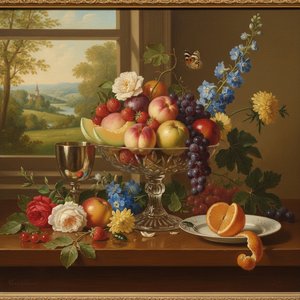
Severin Roesen: Evoking National Identity Through American Still Life Painting
Explore the captivating world of Severin Roesen, a major American still life painter influenced by Dutch masters. Discover his lush compositions and the symbolism within his art – a window into 19th-century America.

American Realism's Defining Works: 10 Masterpieces for Your Home
Explore 10 defining American Realism masterpieces – Hopper, Homer & more. Discover the stories behind these iconic paintings and bring timeless art to your home with OriginalUniqueArt's museum-quality reproductions. Explore the full collection online.

The Bountiful Still Life: Symbolism & Artistic Representation of Fruit Across Art History
Explore the rich history of still life painting & the symbolism of fruit across art movements. Discover masterpieces from Caravaggio to Cézanne with OriginalUniqueArt – expert guidance & museum-quality reproductions.