- 홈

- 캔버스 프린트
- vladimír janoušek
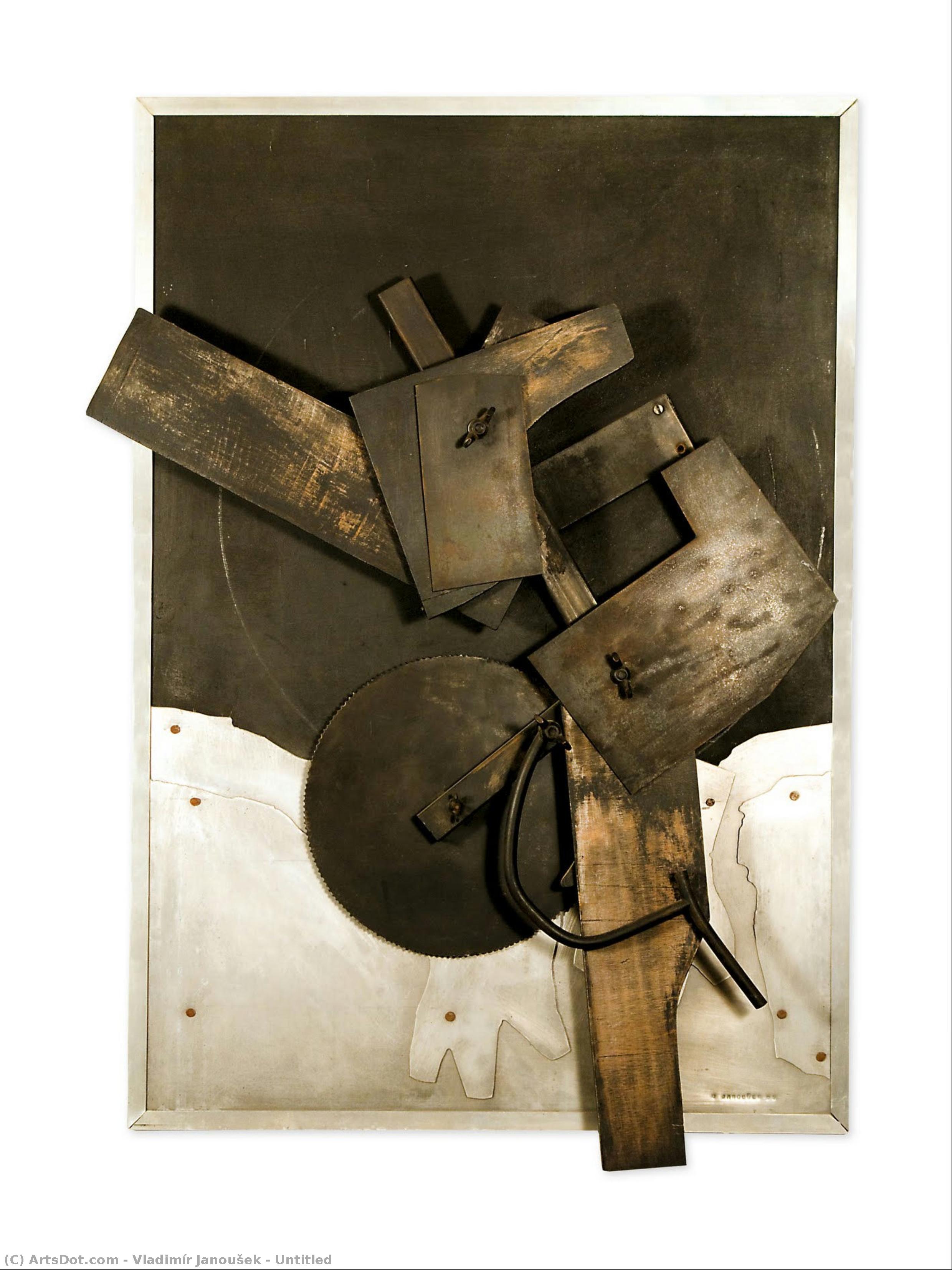
- Untitled
 작품 구매하기
 공유하기
공유하기 공유하기
공유하기
 상세 정보
상세 정보

 다운로드
다운로드
 유사 작품
유사 작품 X-레이
X-레이 슬라이드 쇼
Untitled
 1977
1977 110.0 x 200.0 cm
 Museum Kampa
 더 보기
더 보기




































작품의 원본 비율을 유지하는 미리 설정된 크기 중에서 선택하세요.

특정 프레임이나 공간에 맞춰 직접 치수를 입력하실 수 있습니다. 선택하신 사이즈가 원본 이미지의 비율과 일치하지 않을 경우, 작품을 크롭(자르기)하거나 이미지를 대칭 또는 단색 채우기로 확장하여 제작합니다. 제작 시작 전, 최종 확인을 위해 디지털 목업이 전송됩니다.
화면상의 미리보기는 실제 크롭이나 확장 상태를 반영하지 않으므로, 최종 구도는 오직 목업을 통해서만 정확하게 확인하실 수 있습니다.
맞춤 사이즈 제작도 가능하지만, 원본 비율을 유지하기 위해서는 사전 정의된 목록에서 치수를 선택하시는 것을 권장합니다.


 유리 옵션은 110cm 미만 크기에서만 선택 가능합니다.

Untitled
지클레 / 아트 프린트
복제본 크기
-


최종 결제 금액
-
작가 약력
Early Life and Education
- Born: Zdirnice, Czech Republic (1922)
- Died: 1986
- Vladimir Janoušek's early life was significantly impacted by historical events, including World War II.
- He began his secondary school studies at the gymnasium in Trutnov and finished them in Úpice.
- In 1940-1941, he worked as an apprentice at a construction firm in Hostinné, initially considering architecture.
- His artistic journey truly began after attending lectures on theatre organized by the Central Union of Theatre Amateurs.
- He studied at the School of Arts and Crafts in Brno and later in Prague under Prof. Karel Dvořák.
- His studies were interrupted by forced labor deployment in Nazi Germany.
- After the war, he initially struggled to gain entry into the Academy but was eventually accepted to the studio of Prof. Josef Wagner.
Artistic Style and Influences
- Janoušek's sculptural style was heavily influenced by the late work of Otto Gutfreund.
- He also drew inspiration from exhibitions of Western European art, including works by Baltasar Lobo, Picasso, and Henry Moore.
- The reflections of Bohumil Kubišta and lectures by Prof. Václav Nebeský further shaped his artistic vision.
- His sculptures are characterized by moving parts, representing a radicalization of form that breaks away from traditional sculptural concepts.
- This originality and conceptual approach contribute to the European significance of his work.
Key Works and Artistic Development
- Gloria, Birth of Homo Divinus – Intelectes: A sculpture embodying transformation and enlightenment.
- Naděžda: A painting capturing the essence of human experience.
- Spring Romance: A painting showcasing his skill in depicting nature's beauty.
- Janoušek’s work evolved through distinct periods, initially focusing on crystals and growth, then incorporating pendulums, and finally culminating in variable sculptures.
- He experimented with kinetic elements, exploring the concept of time as reflected in the poetry of František Halas.
- His monumental composition Hrozba války (Threat of War) for the Czechoslovak pavilion at Expo '70 in Osaka demonstrated his political engagement and artistic vision.
Later Career and Historical Significance
- Following the Warsaw Pact invasion of Czechoslovakia, Janoušek faced persecution and limited opportunities to exhibit his work.
- Despite these challenges, he continued to create sculptures that expressed a symbolic struggle against oppressive circumstances.
- He is recognized as one of the few Czech sculptors listed in the New Dictionary of Modern Sculpture published in Paris in 1970.
- Janoušek's legacy lies in his innovative approach to sculpture, his exploration of time and transformation, and his courageous artistic expression during a period of political repression.
- His work is now appreciated for its European significance and contribution to modern art.
Additional Information
- Useful Links:

vladimír janoušek
1922 - 1986 , Czech Republic
주요 정보
- Artistic Movement Or Style: Kinetic sculpture
- Artists Who Influenced This Artist:
- Otto Gutfreund
- Baltasar Lobo
- Pablo Picasso
- Henry Moore
- Date Of Birth: January 30, 1922
- Date Of Death: September 8, 1986
- Full Name: Vladimír Janoušek
- Nationality: Czech
- Notable Artworks:
- Gloria
- Birth of Homo Divinus
- Naděžda
- Spring Romance
- Place Of Birth: Zdirnice, Czech Republic

