

 실제 크기로 보기
 보내기
보내기 공유하기
공유하기
 상세 보기
상세 보기 가이드 보기

 이미지 다운로드
 유사 작품 더 보기
 X-레이
X-레이 슬라이드 쇼 보기
 통계 정보
통계 정보Madonna and Child
 Renaissance
 1482
1482- Renaissance
 68.0 x 52.0 cm
 미술관
미술관
 상세 보기
상세 보기
핸드메이드 유화 복제화
작가가 직접 캔버스에 손으로 그린 유화 작품으로, 원하는 크기와 액자로 맞춤 제작해 드립니다. ( 프린트 판매로 전환 디지털 이미지 판매 채널로 전환)




P118B ₩10

P118H ₩10

P118W ₩10

P438Z ₩10

P508JH ₩12

P508YH ₩12

P805H ₩10

P805Z ₩10

P919BZ ₩10

P919G ₩10

P919XJ ₩10

P959ZH ₩10

P968JZ ₩12

W106C ₩8

W218G ₩10

W218JH ₩8

W218Y ₩10

W307PJ ₩10

W316G ₩10

W316PJ ₩8

W316Y ₩10

W398PJ ₩8

W4111J ₩10

W500HY ₩15

W500JH ₩15

W692G ₩12

W849H ₩8

W940BG ₩15

W953PJ ₩8




작품의 원본 비율을 그대로 유지하는 프리셋 사이즈 중에서 선택해 보세요.

액자나 벽면 크기에 맞춰 필요한 가로와 세로 길이를 입력해 주세요. 본 작품은 수작업으로 제작되므로, 요청하신 비율에 따라 작가가 그림의 가장자리를 조금 더 넓게 그리거나 일부를 조정하여 작업할 수 있습니다. 작업 시작 전, 최종 확인을 위해 디지털 목업 이미지를 보내드립니다. 이 페이지에 표시된 이미지는 실제 결과물과 다를 수 있으며, 오직 목업 이미지만이 정확한 결과물을 보여줍니다.
주문 완료 후 OriginalUniqueArt.com 팀에서 상세 안내를 위해 고객님께 이메일을 보내드리며, 미리보기 시안을 함께 제공해 드립니다.


 유리 옵션은 110cm 미만 크기에서만 선택 가능합니다.

Madonna and Child
재현 매체
복제본 규격
-


총 결제 금액
₩ 407114
A Tender Encounter in the Venetian Renaissance
In the quiet intimacy of Vittore Crivelli’s Madonna and Child, we are invited into a sacred moment that transcends the boundaries of time. Painted around 1482, this masterpiece captures the Virgin Mary and the infant Jesus in a state of profound connection. As they gaze upward toward an unseen divine presence, the viewer is drawn into their shared spiritual contemplation. The composition is anchored by a sense of stillness, yet it vibrates with the delicate life found in the meticulous details of the scene. Crivulated by the unique artistic currents of Venice, this work serves as a bridge between the ornate, expressive fervor of the Gothic tradition and the emerging humanist focus on psychological realism and tangible beauty.
The painting is set upon a surface that feels almost tactile, where various symbolic objects are carefully arranged to tell a deeper theological story. Scattered across the foreground, apples serve as poignant reminders of both the Fall of Man and the eventual redemption brought by Christ. The presence of a book suggests a moment of quiet devotion, perhaps implying that Mary is imparting sacred wisdom to her child through the written word. Every element, from the soft light illuminating the Madonna's features to the precise rendering of the fruit, is designed to lead the eye through a meditative journey, making this piece not just a portrait, but a visual prayer.
Mastery of Detail and Symbolic Depth
Vittore Crivelli was a master of precision, and in this work, his technique shines through an almost hyper-realistic attention to texture and form. The way the light catches the edges of the fruit and the subtle folds of the Virgin's garments demonstrates a profound command over the medium. Unlike the more dramatic and often turbulent works of his brother, Carlo Crivelli, Vittore’s approach here is characterized by a restrained elegance. This restraint allows the emotional weight of the maternal bond to take center stage, unburdened by excessive ornamentation, yet enriched by the subtle interplay of light and shadow.
For the discerning collector or interior designer, this painting offers more than mere decoration; it provides a focal point of profound serenity. The soft palette and balanced composition make it an ideal centerpiece for spaces designed for reflection, such as a study, a library, or a formal sitting room. A high-quality reproduction of this work allows one to bring the quiet majesty of the Italian Renaissance into a contemporary setting, offering a timeless elegance that complements both classical and modern aesthetics. To possess such a piece is to invite a sense of historical continuity and spiritual peace into the home, celebrating the enduring power of human connection and divine grace.
질의응답
Vittore Crivelli의 "Madonna and Child" 작품의 경우 어떤 복제본 크기를 추천하시나요?
"Madonna and Child" 작품은 Medium 인쇄 크기를 권장합니다. 동일한 비율의 다른 사이즈로도 제작 가능합니다.
Vittore Crivelli의 "Madonna and Child"은(는) Renaissance 내에서 어떤 분위기를 자아내나요?
"Madonna and Child"은 Renaissance 운동 내에서 Calm 정서를 담아내고 있습니다.
미술관에 소장된 Vittore Crivelli의 "Madonna and Child"를 법적으로 복제할 수 있습니까?
"Madonna and Child"의 원작은 미술관에 소장되어 있으며, 이 작품은 퍼블릭 도메인 - 저작권 보호 기간이 만료되었습니다 상태입니다.
작가 소개
Vittore Crivelli: A Venetian Echo of Gothic Mysticism
Vittore Crivelli (b. ca. 1440, Venezia, d. 1501/2, Venezia) stands as a fascinating figure within the Venetian Renaissance—a painter who simultaneously embraced the grandeur of his era and retained traces of the expressive fervor characteristic of Gothic art. Born in Venice around 1440, he emerged from a family steeped in artistic tradition, notably linked to Carlo Crivelli, his brother, whose distinctive style profoundly shaped Vittorio’s oeuvre. While Carlo's work leaned towards dramatic narratives infused with symbolic depth—often depicting saints and biblical figures bathed in ethereal light—Vittore pursued a more restrained aesthetic, prioritizing meticulous detail and psychological realism. This duality reflects the broader artistic currents of Venice during the fifteenth century, where Gothic influences persisted alongside burgeoning humanist ideals.- Early Life & Training: Little is known about Vittorio’s formative years beyond his birthplace and familial connections. He likely received training within the Crivelli workshop, absorbing Carlo's stylistic sensibilities while developing his own artistic voice. This apprenticeship undoubtedly instilled a deep appreciation for expressive color palettes and compositional complexity—elements that would become hallmarks of his later paintings.
- Notable Works: Vittorio’s artistic output is relatively modest compared to contemporaries like Titian or Tintoretto, yet several pieces demonstrate remarkable skill and sensitivity. Among his most celebrated works are “St Louis of France,” a monumental altarpiece commissioned for Saint Louis Cathedral in Bordeaux (1481-1502), showcasing Crivelli’s mastery of perspective and drapery—a technique heavily indebted to Flemish painting. Similarly, "Saint Michel," housed at the Musée du Petit Palais in Avignon, exemplifies his meticulous attention to detail and psychological portrayal of religious figures.
- Style & Technique: Vittorio's style distinguishes itself through a careful balance between Gothic and Renaissance conventions. He employed luminous glazing techniques—inherited from Flemish masters—to achieve atmospheric depth and imbue his canvases with an otherworldly glow. However, unlike Carlo Crivelli’s theatrical compositions, Vittorio favored more contemplative scenes, focusing on conveying inner emotion rather than grand spectacle. His meticulous rendering of textures—particularly drapery folds—reveals a dedication to realism that anticipates the stylistic developments of Mannerism.
- Influence & Legacy: Vittorio Crivelli's artistic legacy resides primarily in his contribution to Venetian painting’s evolving aesthetic landscape. He served as an important conduit between Gothic and Renaissance traditions, demonstrating how artists could synthesize disparate influences into a cohesive visual language. Although overshadowed by more flamboyant figures of his time, Vittorio’s paintings continue to captivate viewers with their serene beauty and profound psychological insight—testaments to the enduring power of Venetian art history.
- Later Years & Death: Information regarding Vittorio Crivelli's later life is scarce. He died in Venice around 1501 or 1502, leaving behind a modest but significant body of work that reflects his artistic vision and secures his place as a noteworthy artist of the Venetian Renaissance.
Museum Collections Featuring Vittorio Crivelli’s Artworks
Vittore Crivelli's paintings grace several prominent museums across Italy and internationally, offering invaluable insights into Venetian art during the fifteenth century. Notable holdings include:- Metropolitan Museum of Art (New York): “St Louis of France”
- El Paso Museum of Art (Texas)
- Pinacoteca Brera (Milan)
- Ashmolean Museum (Oxford)
- Fitzwilliam Museum (Cambridge)
- Musée du Petit Palais (Avignon)
- Philadelphia Museum of Art

Vittore Crivelli
1440 - 1501 , Italy
작가 정보 요약
- Full Name: Vittore Crivelli
- Nationality: Italian
- Date Of Birth: 1440
- Date Of Death: 1501
- Place Of Birth: Venice, Italy
- Notable Artworks:
- St Louis of France
- Saint Michel
- SAINT PIERRE
- Artistic Movement Or Style: Renaissance Painting
- Artists Who Influenced This Artist: ['Jacopo Palma the Elder']
- Artists Or Movements Influenced By This Artist: ['Carlo Crivelli']
관련 기사
라파엘의 걸작 25선: 예술과 영혼을 담은 명화 컬렉션 | OriginalUniqueArt
라파엘의 걸작 25선을 만나보세요. 르네상스 시대 예술가의 섬세한 기법과 영혼을 담은 명화들을 감상하고, 아테네 학당, 천사의 학교 등 대표 작품의 숨겨진 이야기를 OriginalUniqueArt에서 확인하세요. 고급 아트 프린트로 공간에 우아함을 더해보세요! 지금 바로 컬렉션을 탐험하세요.
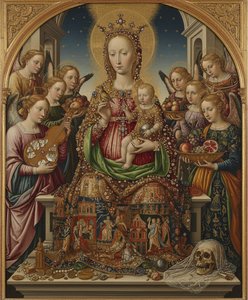
Carlo Crivelli: Mysticism & Materiality in Renaissance Venice
Explore the captivating world of Carlo Crivelli, a Renaissance master blending Gothic detail with profound symbolism. Discover his unique style & lasting influence on Venetian art history.
틴토레토의 걸작 25선: 베네치아 회화 거장의 드라마와 빛의 향연 | OriginalUniqueArt
틴토레토의 드라마틱한 빛과 색채가 살아 숨쉬는 걸작 25선을 만나보세요. 베네치아 회화 거장의 명작 속 역사, 기법, 그리고 영감을 느껴보세요. OriginalUniqueArt에서 고품질 유화와 아트 프린트를 감상하고 특별한 인테리어를 완성하세요. 지금 바로 컬렉션을 탐험하세요!
Vittore Carpaccio: Venetian Renaissance Narrative & the Poetics of Detail
Explore the captivating world of Vittore Carpaccio, a master storyteller of the Venetian Renaissance. Discover his intricate details, narrative cycles like 'The Legend of St. Ursula,' and unique artistic style.
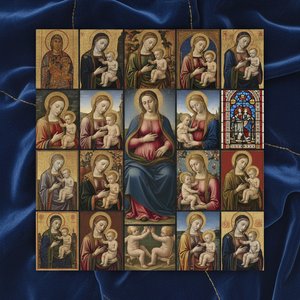
Divine Love: A Curated Guide to the Most Iconic Madonna and Child Masterpieces in Art History
Embark on a sophisticated journey through art history with our curated guide to the most iconic Madonna and Child masterpieces. Discover the profound beauty, theological depth, and enduring legacy of these sacred Renaissance treasures.