

 실제 크기로 보기
 보내기
보내기 공유하기
공유하기
 상세 보기
상세 보기 가이드 보기

 이미지 다운로드
 유사 작품 더 보기
 X-레이
X-레이 슬라이드 쇼 보기
 통계 정보
통계 정보The Dead Christ
 Oil On Canvas
- WallArt
- Baroque Revival
 1520
1520 145.0 x 185.0 cm
 슈타틸리체 무제엔
 상세 보기
상세 보기
핸드메이드 유화 복제화
작가가 직접 캔버스에 손으로 그린 유화 작품으로, 원하는 크기와 액자로 맞춤 제작해 드립니다. ( 프린트 판매로 전환 디지털 이미지 판매 채널로 전환)




P118B ₩10

P118H ₩10

P118W ₩10

P438Z ₩10

P508JH ₩12

P508YH ₩12

P805H ₩10

P805Z ₩10

P919BZ ₩10

P919G ₩10

P919XJ ₩10

P959ZH ₩10

P968JZ ₩12

W106C ₩8

W218G ₩10

W218JH ₩8

W218Y ₩10

W307PJ ₩10

W316G ₩10

W316PJ ₩8

W316Y ₩10

W398PJ ₩8

W4111J ₩10

W500HY ₩15

W500JH ₩15

W692G ₩12

W849H ₩8

W940BG ₩15

W953PJ ₩8




작품의 원본 비율을 그대로 유지하는 프리셋 사이즈 중에서 선택해 보세요.

액자나 벽면 크기에 맞춰 필요한 가로와 세로 길이를 입력해 주세요. 본 작품은 수작업으로 제작되므로, 요청하신 비율에 따라 작가가 그림의 가장자리를 조금 더 넓게 그리거나 일부를 조정하여 작업할 수 있습니다. 작업 시작 전, 최종 확인을 위해 디지털 목업 이미지를 보내드립니다. 이 페이지에 표시된 이미지는 실제 결과물과 다를 수 있으며, 오직 목업 이미지만이 정확한 결과물을 보여줍니다.
주문 완료 후 OriginalUniqueArt.com 팀에서 상세 안내를 위해 고객님께 이메일을 보내드리며, 미리보기 시안을 함께 제공해 드립니다.


 유리 옵션은 110cm 미만 크기에서만 선택 가능합니다.

The Dead Christ
재현 매체
복제본 규격
-


총 결제 금액
₩ 406798
A Somber Reflection on Mortality: Vittore Carpaccio’s “The Dead Christ”
Vittore Carpaccio's "The Dead Christ," painted circa 1520, stands as a poignant testament to the artistic sensibilities of Venice during the High Renaissance. More than just a depiction of religious iconography—the lifeless body of Jesus cradled by grieving figures—it embodies a profound meditation on death and mourning, reflecting the anxieties prevalent in a period grappling with theological upheaval and humanist inquiry. This monumental canvas (145 x 185 cm) resides within the Gallerie dell’Accademia, offering visitors an unparalleled opportunity to experience Carpaccio's masterful execution of narrative painting.Style and Influences: A Conservative Voice Amidst Change
Carpaccio distinguishes himself from his contemporaries through a remarkably restrained artistic style. Unlike the burgeoning humanist movement that championed classical ideals and vibrant color palettes—evident in works by Giovanni Bellini and Andrea Mantegna—Carpaccio adhered to a more conservative approach, prioritizing clarity of form and emotional resonance over stylistic innovation. His visual vocabulary draws heavily from Antonello da Messina’s influence, particularly his meticulous attention to detail and use of oil paint, alongside early Netherlandish art's emphasis on realism and psychological depth. This confluence resulted in an aesthetic that prioritizes solemn contemplation rather than dramatic spectacle.Technique: The Art of Layered Detail
Carpaccio employed a technique characterized by painstaking layering—a hallmark of Venetian painting at the time—to achieve remarkable textural richness and luminosity. He meticulously built up his composition using thin glazes of oil paint, allowing underlying pigments to subtly interact and create nuanced tonal variations. This method ensured that every surface was rendered with meticulous precision, capturing the contours of Christ’s body and the expressions of sorrowful onlookers alike. The artist skillfully utilized chiaroscuro—the dramatic interplay between light and shadow—to heighten the emotional impact of the scene, directing viewers' gaze towards the central figure and emphasizing the solemn atmosphere.Historical Context: Grief and Remembrance in Renaissance Venice
Painted during a time marked by religious fervor and intellectual debate, “The Dead Christ” speaks to the broader cultural concerns of Renaissance Venice. The depiction of mourning figures—a common motif in devotional art—reflects the pervasive preoccupation with mortality and the desire for spiritual solace amidst uncertainty. Carpaccio’s work aligns itself with the theological debates surrounding indulgences and papal authority, subtly conveying a sense of humility before divine judgment. Furthermore, it underscores the importance of remembrance and veneration within Christian tradition.Symbolism: The Body as Emblematic Representation
The central image—the crucified Christ—serves as an enduring symbol of sacrifice and redemption. Carpaccio’s portrayal emphasizes the physicality of Christ's suffering, grounding the theological narrative in tangible reality. The surrounding figures—primarily mourners—represent humanity grappling with grief and loss, mirroring the universal experience of mortality. Their gestures of compassion and sorrow underscore the importance of empathy and spiritual contemplation. The inclusion of a tree nearby – a traditional symbol of life and resurrection – subtly reinforces the overarching theme of hope amidst despair.Emotional Impact: A Profound Meditation on Suffering
“The Dead Christ” transcends mere visual representation; it evokes a powerful emotional response in viewers. Carpaccio’s masterful use of color—primarily muted browns and reds—creates an atmosphere of solemnity and melancholy, mirroring the profound sorrow experienced by those witnessing the crucifixion. The artist's meticulous attention to detail captures not only the physical appearance of Christ but also the psychological state of his mourners, fostering a sense of empathy and prompting reflection on themes of faith, grief, and human vulnerability. It remains an enduring masterpiece—a poignant reminder of humanity’s capacity for compassion and its unwavering belief in spiritual transcendence.질의응답
"The Dead Christ" 프린트의 권장 용도는 무엇인가요?
"The Dead Christ" 프린트의 권장 용도는 Statement입니다.
"The Dead Christ"의 색상들이 서로 어떻게 조화를 이루고 있나요?
"The Dead Christ"의 색채 조화는 Strong Color Unity로 기록되어 있습니다.
"The Dead Christ"의 고해상도 다운로드 버전을 구매할 수 있나요?
비토레 카르파치오의 "The Dead Christ"의 디지털 파일을 소장하시려면, 디지털 이미지 페이지에서 고해상도 디지털 이미지 다운로드을(를) 주문해 주세요.
작가 소개
초기 생애와 수련
비토레 카르파치오는 1465년경 베네치아에서 태어난 저명한 이탈리아 화가입니다. 그는 베네치아 학파의 유명한 예술가인 젠틸레 벨리니의 가르침을 받으며 수학했습니다. 이 견습 기간은 카르파치오가 미래에 거둘 성공의 단단한 토대를 마련해 주었습니다.예술적 양식과 영향
카르파치오의 화풍은 비교적 보수적인 특성을 지니고 있어, 그가 활동하던 시기에 이탈리아 르네상스 회화를 변화시킨 인문주의적 흐름의 영향을 최소한으로 보여줍니다. 그의 작품에는 안토넬로 다 메시나의 화풍과 초기 네덜란드 미술의 영향이 깃들어 있습니다. 이 독특한 양식들의 조화는 베네치아 회화에 있어 매우 개성적인 접근 방식을 탄생시켰습니다.주요 작품
- 성 우르술라 전설은 9점의 연작으로 구성되어 있으며, 카르파치오의 가장 유명한 작품입니다. 현재 아카데미 미술관에 소장된 이 연작은 그가 지닌 서사적 회화의 숙련도를 웅변합니다.
- 성 우르술라의 영광 제단화(1491년)는 빛과 색채를 포착하는 카르파치오의 기교를 보여주며, 조반니 벨리니의 화풍을 연상시킵니다.
- 리알토 다리의 십자가 유물 기적(1494년)은 구도와 서사를 균형 있게 맞추는 카르파치오의 능력을 강조합니다.
활동 전성기와 유산
- 카르파치오의 주요 작품들은 1490년부터 1519년 사이에 제작되었으며, 이는 그를 베네치아 르네상스의 초기 거장 중 한 명으로 자리매김하게 했습니다.
- 셀레니테스에게 세례를 주는 성 게오르기우스에서 볼 수 있듯이, 그의 오리엔탈리즘적 양식은 레반트 지역에 대한 새로운 매혹을 반영하고 있습니다.
- 카르파치오의 작품은 때때로 동시대 예술가들인 조반니 벨리니나 조르조네에 비해 다소 간과되기도 했습니다.
참고 자료 및 추가 독서
OriginalUniqueArt에서 비토레 카르파치오와 베네치아 학파에 대해 더 알아보세요.
비토레 카르파치오
1465 - 1526 , 이탈리아
작가 정보 요약
- Artistic Movement Or Style: 초기 베네치아 르네상스
- Artists Or Movements Influenced By This Artist: ['초기 네덜란드 회화']
- Artists Who Influenced This Artist:
- 안토넬로 다 메시나
- 젠틸레 벨리니
- Date Of Birth: 이탈리아 베네치아 (1465년경)
- Date Of Death: 1526년
- Full Name: 비토레 카르파초
- Nationality: 이탈리아
- Notable Artworks:
- 성 우르술라 전설
- 성 우르술라의 영광 제단화
- 리알토 다리 십자가 유물 기적
- Place Of Birth: 베네치아
관련 기사
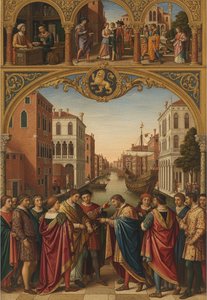
Vittore Carpaccio: Venetian Renaissance Narrative & the Poetics of Detail
Explore the captivating world of Vittore Carpaccio, a master storyteller of the Venetian Renaissance. Discover his intricate details, narrative cycles like 'The Legend of St. Ursula,' and unique artistic style.

The Enduring Power of Painting: A Historical & Contemporary Exploration of Form and Emotion
Explore the rich history & enduring techniques of oil painting with OriginalUniqueArt. Discover masterpieces, learn about art collecting, and find authentic handmade reproductions crafted by skilled artists.
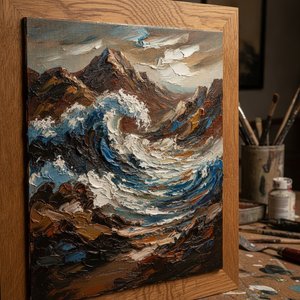
Oil on Panel: The Ultimate Guide to Bold, High-Impact Texture & Depth
Master the art of impact with our expert guide to oil on panel. Discover how impasto textures and heavy-body pigments create 3D depth and bold visual energy for modern interiors. Elevate your space with high-impact, hand-painted masterpieces designed for maximum aesthetic punch.

The Enduring Legacy of Oil on Canvas: Technique, History & Aesthetic Impact
Explore the rich history & techniques of oil painting – from Renaissance masters to Impressionism. Discover pigments, layering methods, and why this timeless medium endures. Expert insights for artists & art enthusiasts.

Oil on Canvas: A Historical & Technical Exploration of a Timeless Artistic Medium
Explore the rich history & enduring techniques of oil painting on canvas. Discover the science behind its longevity, conservation practices, and contemporary relevance. Expert insights for art enthusiasts.
