

 실제 크기로 보기
 보내기
보내기 공유하기
공유하기
 상세 보기
상세 보기 가이드 보기

 이미지 다운로드
 유사 작품 더 보기
 X-레이
X-레이 슬라이드 쇼 보기
 통계 정보
통계 정보Holy Conversation
 High Renaissance
 1505
1505- Renaissance
 92.0 x 126.0 cm
 Musée du Petit Palais
 상세 보기
상세 보기
핸드메이드 유화 복제화
작가가 직접 캔버스에 손으로 그린 유화 작품으로, 원하는 크기와 액자로 맞춤 제작해 드립니다. ( 프린트 판매로 전환 디지털 이미지 판매 채널로 전환)




P118B ₩10

P118H ₩10

P118W ₩10

P438Z ₩10

P508JH ₩12

P508YH ₩12

P805H ₩10

P805Z ₩10

P919BZ ₩10

P919G ₩10

P919XJ ₩10

P959ZH ₩10

P968JZ ₩12

W106C ₩8

W218G ₩10

W218JH ₩8

W218Y ₩10

W307PJ ₩10

W316G ₩10

W316PJ ₩8

W316Y ₩10

W398PJ ₩8

W4111J ₩10

W500HY ₩15

W500JH ₩15

W692G ₩12

W849H ₩8

W940BG ₩15

W953PJ ₩8




작품의 원본 비율을 그대로 유지하는 프리셋 사이즈 중에서 선택해 보세요.

액자나 벽면 크기에 맞춰 필요한 가로와 세로 길이를 입력해 주세요. 본 작품은 수작업으로 제작되므로, 요청하신 비율에 따라 작가가 그림의 가장자리를 조금 더 넓게 그리거나 일부를 조정하여 작업할 수 있습니다. 작업 시작 전, 최종 확인을 위해 디지털 목업 이미지를 보내드립니다. 이 페이지에 표시된 이미지는 실제 결과물과 다를 수 있으며, 오직 목업 이미지만이 정확한 결과물을 보여줍니다.
주문 완료 후 OriginalUniqueArt.com 팀에서 상세 안내를 위해 고객님께 이메일을 보내드리며, 미리보기 시안을 함께 제공해 드립니다.


 유리 옵션은 110cm 미만 크기에서만 선택 가능합니다.

Holy Conversation
재현 매체
복제본 규격
-


총 결제 금액
₩ 406798
A Serene Encounter: The Soul of Venice in Carpaccio’s Masterpiece
In the quietude of Vittore Carpaccio’s Holy Conversation, completed around 1505, we find a profound meditation on faith and spiritual stillness. This evocative work, born from the heart of Venice, transcends mere religious iconography to offer a window into a moment of sacred intimacy. The painting captures Saint Ursula and her companions not in a display of dramatic tension, but engaged in a solemn, quiet dialogue that reflects their arduous journey toward Cologne Cathedral. There is a palpable sense of dignity in their assembly, an atmosphere where the weight of their pilgrimage meets the lightness of divine grace.
The composition invites the viewer to step into a world where the earthly and the divine are inextricably linked. Carpaccio meticulously renders the weathered textures of the stone cathedral and the humble presence of pilgrims, grounding the spiritual narrative in a tangible, physical reality. Through his masterful use of tempera on canvas, the artist achieves a remarkable luminosity. By employing painstaking layers of glazes, he creates an ethereal atmosphere that feels reminiscent of the lush, detailed landscapes found in early Netherlandish art, yet it remains deeply rooted in the unique sensibilities of the Venetian Renaissance.
Technique and the Poetics of Detail
What distinguishes Holy Conversation from the more flamboyant grandeur of his contemporaries is Carpaccio’s deliberate restraint. Eschewing the opulent ornamentation and theatrical poses favored by artists like Raphael, Carpaccio instead prioritizes a meticulous attention to detail and a subtle gradations of color. His technique shows a profound influence from Antonello da Messina, particularly in how he captures light to breathe life into every surface—from the soft folds of fabric to the rugged elements of nature such as trees and rocks that frame the scene.
This stylistic choice creates a psychological realism that is deeply moving. The painting does not demand attention through spectacle; rather, it earns it through the quiet beauty of its execution. For the collector or the lover of fine art, this piece offers more than just visual splendor; it provides an emotional sanctuary. The interplay of light and shadow, combined with the artist's conservative yet precise approach, makes the work a timeless testament to the piety and artistic innovation of the Venetian Republic.
A Timeless Addition to the Refined Interior
For interior designers and connoisseurs seeking to infuse a space with historical depth and contemplative calm, Holy Conversation serves as an extraordinary focal point. The painting’s ability to blend religious significance with a serene, landscape-like beauty allows it to integrate seamlessly into sophisticated environments. It is a work that rewards prolonged observation, revealing new layers of texture and narrative with every glance.
Owning a high-quality reproduction of this masterpiece means bringing a piece of the Venetian Renaissance into the modern home—a piece that embodies the enduring power of devotion and the quiet strength of the human spirit. It is an invitation to pause, to reflect, and to find beauty in the subtle, sacred moments of existence.
질의응답
비토레 카르파치오의 "Holy Conversation"의 수작업 복제화를 어디에서 구매할 수 있나요?
"Holy Conversation" 작품은 리넨 캔버스 위에 손으로 직접 그린 유화 복제화로 만나보실 수 있습니다. 주문은 수작업 유화 복제화 페이지에서 가능하며, 다양한 사이즈를 선택하실 수 있습니다.
비토레 카르파치오의 "Holy Conversation"은(는) 어떤 미술 사조에 속하나요?
비토레 카르파치오의 "Holy Conversation"은(는) High Renaissance 사조에 속합니다. 이 사조는 해당 작품의 양식적 배경을 제공합니다.
비토레 카르파치오의 "Holy Conversation"의 형태와 크기는 어떻게 되나요?
"Holy Conversation"의 형식은 Landscape이며, 원작의 크기는 92 x 126 cm입니다. 두 정보 모두 복제본 제작을 계획할 때 유용합니다.
작가 소개
초기 생애와 수련
비토레 카르파치오는 1465년경 베네치아에서 태어난 저명한 이탈리아 화가입니다. 그는 베네치아 학파의 유명한 예술가인 젠틸레 벨리니의 가르침을 받으며 수학했습니다. 이 견습 기간은 카르파치오가 미래에 거둘 성공의 단단한 토대를 마련해 주었습니다.예술적 양식과 영향
카르파치오의 화풍은 비교적 보수적인 특성을 지니고 있어, 그가 활동하던 시기에 이탈리아 르네상스 회화를 변화시킨 인문주의적 흐름의 영향을 최소한으로 보여줍니다. 그의 작품에는 안토넬로 다 메시나의 화풍과 초기 네덜란드 미술의 영향이 깃들어 있습니다. 이 독특한 양식들의 조화는 베네치아 회화에 있어 매우 개성적인 접근 방식을 탄생시켰습니다.주요 작품
- 성 우르술라 전설은 9점의 연작으로 구성되어 있으며, 카르파치오의 가장 유명한 작품입니다. 현재 아카데미 미술관에 소장된 이 연작은 그가 지닌 서사적 회화의 숙련도를 웅변합니다.
- 성 우르술라의 영광 제단화(1491년)는 빛과 색채를 포착하는 카르파치오의 기교를 보여주며, 조반니 벨리니의 화풍을 연상시킵니다.
- 리알토 다리의 십자가 유물 기적(1494년)은 구도와 서사를 균형 있게 맞추는 카르파치오의 능력을 강조합니다.
활동 전성기와 유산
- 카르파치오의 주요 작품들은 1490년부터 1519년 사이에 제작되었으며, 이는 그를 베네치아 르네상스의 초기 거장 중 한 명으로 자리매김하게 했습니다.
- 셀레니테스에게 세례를 주는 성 게오르기우스에서 볼 수 있듯이, 그의 오리엔탈리즘적 양식은 레반트 지역에 대한 새로운 매혹을 반영하고 있습니다.
- 카르파치오의 작품은 때때로 동시대 예술가들인 조반니 벨리니나 조르조네에 비해 다소 간과되기도 했습니다.
참고 자료 및 추가 독서
OriginalUniqueArt에서 비토레 카르파치오와 베네치아 학파에 대해 더 알아보세요.
비토레 카르파치오
1465 - 1526 , 이탈리아
작가 정보 요약
- Artistic Movement Or Style: 초기 베네치아 르네상스
- Artists Or Movements Influenced By This Artist: ['초기 네덜란드 회화']
- Artists Who Influenced This Artist:
- 안토넬로 다 메시나
- 젠틸레 벨리니
- Date Of Birth: 이탈리아 베네치아 (1465년경)
- Date Of Death: 1526년
- Full Name: 비토레 카르파초
- Nationality: 이탈리아
- Notable Artworks:
- 성 우르술라 전설
- 성 우르술라의 영광 제단화
- 리알토 다리 십자가 유물 기적
- Place Of Birth: 베네치아
관련 기사
The Venetian Renaissance: A Masterclass in Colorito, Light, and the Birth of Atmospheric Brilliance
Explore the breathtaking mastery of the Venetian Renaissance. Discover how legends like Titian revolutionized art through Colorito, capturing the luminous light and vibrant pigments of the Venetian lagoon in a visual journey of unparalleled color and texture.
Venetian Renaissance: The Golden Age of Color, Light, and Luminous Artistry
Embark on a journey through the Venetian Renaissance. Discover how masters like Giorgione and Titian revolutionized art through luminous color and light. Explore the profound legacy of the Venetian School and its enduring influence on the world of fine art.
틴토레토의 걸작 25선: 베네치아 회화 거장의 드라마와 빛의 향연 | OriginalUniqueArt
틴토레토의 드라마틱한 빛과 색채가 살아 숨쉬는 걸작 25선을 만나보세요. 베네치아 회화 거장의 명작 속 역사, 기법, 그리고 영감을 느껴보세요. OriginalUniqueArt에서 고품질 유화와 아트 프린트를 감상하고 특별한 인테리어를 완성하세요. 지금 바로 컬렉션을 탐험하세요!
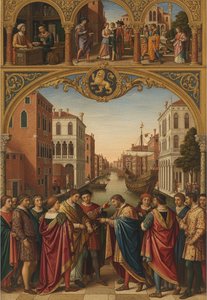
Vittore Carpaccio: Venetian Renaissance Narrative & the Poetics of Detail
Explore the captivating world of Vittore Carpaccio, a master storyteller of the Venetian Renaissance. Discover his intricate details, narrative cycles like 'The Legend of St. Ursula,' and unique artistic style.

Venetian Renaissance: The Mastery of Color, Light, and the Art of Colorito
Explore the luminous mastery of the Venetian Renaissance. Discover how masters like Titian and Giorgione revolutionized art through colorito, light, and atmosphere. An expert guide to the golden age of Italian painting for collectors and enthusiasts.
