
 미리보기
미리보기
 공유하기
공유하기 공유하기
공유하기
 상세 정보
상세 정보

 다운로드
다운로드
 유사 작품
유사 작품 X-레이
X-레이 슬라이드 쇼
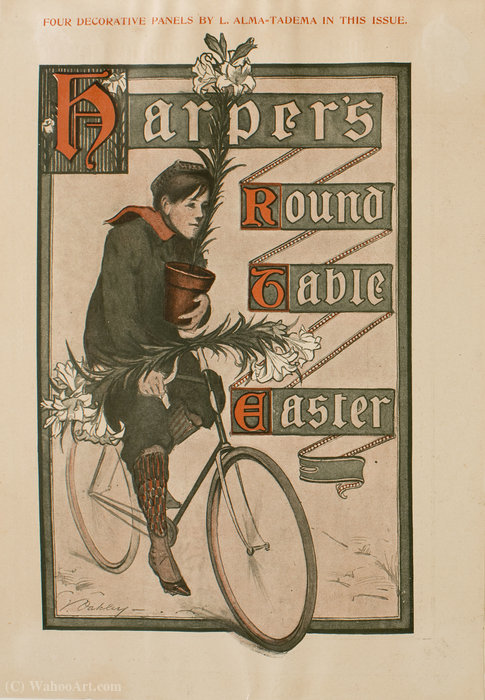
'Harper's Round Table. Easter', (30 x 20 CM) (1910)

 더 보기
더 보기
온라인 미리보기보다 훨씬 뛰어난 품질의 고해상도 디지털 이미지를 구매해 보세요.
각 파일은 사내 전문가가 고급 도구와 숙련된 수동 리터칭 기술을 사용하여 세심하게 준비합니다. 우리는 모든 이미지가 탁월한 선명도, 정확한 색상 재현력, 그리고 미세한 디테일까지 완벽하게 갖추도록 보장합니다.
최종 파일은 전문적인 편집 및 인쇄 환경에서 즉시 사용할 수 있도록 최적화되어 72시간 이내에 이메일로 발송됩니다. 이는 세계적인 디자인 스튜디오, 출판사 및 갤러리가 신뢰하는 것과 동일한 품질입니다.
디지털 이미지
개인 소장 및 전시, 인쇄, 창작 프로젝트를 위한 고해상도 파일을 다운로드하세요. ( 프린트 구매 손으로 그린 그림 구매)
모든 디지털 이미지 주문에 포함된 혜택
전문적인 디지털 이미지 전송 보장
OriginalUniqueArt.com를 선택하시면 단순히 이미지를 받는 것을 넘어, 정밀한 보정 과정을 거친 전문적인 디지털 예술 작품을 만나보실 수 있습니다. 모든 작품에는 만족 보장 서비스가 함께 제공되며, 주문 시 다음과 같은 사항들이 자동으로 포함됩니다:

빠른 이메일 전송
주문 후 72시간 이내에 고해상도 디지털 이미지 파일이 이메일로 발송되며, 즉시 사용하실 수 있습니다.

AI 기술로 향상된 디지털 파일
귀하의 작품은 고급 AI 도구와 수동 편집 과정을 거쳐 전문적으로 최적화되며, 이를 통해 디테일과 선명도, 색상의 정확도를 극대화합니다.

평생 무료 재전송 서비스
파일을 실수로 삭제하거나 분실하셨나요? 걱정 마세요. 언제든 무료로 다시 보내드립니다.

추가 수입 비용 없음 - 언제나
관세나 부가세, 배송비 부담 없이 작품을 즉시 감상하세요 - 디지털 다운로드는 언제나 면세 혜택이 적용됩니다.

정확한 색상 보장
전문적인 도구와 색상 관리 시스템을 통해 디지털 이미지가 원본의 색상을 최대한 정확하게 구현하도록 보장합니다.

60일 만족 보장제
구매하신 디지털 이미지에 만족하지 못하실 경우, 60일 이내에 수정 또는 100% 환불을 진행해 드립니다 - 어떠한 문의도 필요 없습니다.

100% 환불 보장
만족하지 못하셨나요? 디지털 파일을 수령하신 후 60일 이내라면 별도의 이유를 밝힐 필요 없이 전액 환불해 드립니다.

대량 주문 할인
이미지 3매 구매 시 10% 할인 - 5매 구매 시 15% 할인 - 10매 이상 구매 시 20% 할인. 크리에이티브 프로젝트, 갤러리, 에이전시에 매우 유용합니다.
작가 소개
A Pioneer of American Muralism: The Life and Art of Violet Oakley
Violet Oakley, born in Bergen Heights, New Jersey, in 1874, emerged as a pivotal figure in the landscape of early 20th-century American art. Descended from a distinguished lineage of artists – both her grandfathers were members of the National Academy of Design – she was immersed in an artistic environment from birth. This familial legacy provided a strong foundation for her own burgeoning talent, nurtured through formal studies at the Art Students League of New York under James Carroll Beckwith and Irving R. Wiles, followed by enriching experiences in England and France with masters like Raphaël Collin. However, it was her time studying illustration with Howard Pyle at Drexel Institute that truly charted the course of her career, propelling her into a world where artistic vision met commercial demand. Oakley quickly established herself as a sought-after illustrator, contributing to prominent magazines such as *The Century Magazine*, *Collier's Weekly*, and *St. Nicholas Magazine*. These early works reveal an artist already attuned to narrative detail and atmospheric nuance, qualities that would become hallmarks of her later, more monumental achievements.The Red Rose Girls and the Renaissance Revival
Around 1897, Oakley became part of a remarkable artistic sisterhood in Philadelphia, sharing studio space with fellow artists Elizabeth Shippen Green and Jessie Willcox Smith, alongside her own sister Hester. Affectionately dubbed the “Red Rose Girls” by their mentor Howard Pyle, this collective fostered an environment of mutual support, creative exchange, and shared aesthetic sensibilities. The Red Rose Girls represented a new kind of female artistic community, challenging prevailing societal norms and forging paths for future generations of women in the arts. Oakley’s artistic style during this period was deeply influenced by the English Pre-Raphaelites, a movement she consciously emulated. This fascination with Renaissance aesthetics – characterized by rich symbolism, meticulous detail, and an emphasis on beauty and spiritual themes – permeated both her illustrations and her burgeoning interest in mural painting and stained glass design. She wasn’t merely replicating a style; rather, she was adapting it to American sensibilities, infusing it with her own unique vision and narrative voice. This commitment to the Renaissance revival set her apart as modern art movements gained prominence, yet it also contributed to a temporary decline in her reputation during the mid-20th century, only to be rediscovered and celebrated anew in recent years.Breaking Barriers: Murals and Monumental Commissions
Violet Oakley’s career reached its zenith with her groundbreaking work as a muralist. In 1900, she secured her first major commission – designing murals and stained glass for All Angels' Church in New York City – marking a significant step towards establishing herself as a leading artist of her time. However, it was the extensive series of murals she created for the Pennsylvania State Capitol in Harrisburg (spanning from 1902 to 1927) that cemented her legacy. This monumental project, comprising forty-three murals, remains the largest mural commission ever awarded to a woman, a testament to her exceptional talent and unwavering dedication. The themes explored within these murals – drawn from Pennsylvania’s history, mythology, and ideals of governance – reflect Oakley's deep engagement with civic responsibility and her belief in the power of art to inspire and uplift. Beyond Harrisburg, she completed commissions for Vassar College Alumni House, Charlton Yarnall house (Philadelphia), and Cuyuhoga County courthouse, further demonstrating her versatility and artistic range.Faith, Peace, and Lasting Influence
Oakley’s life and art were profoundly shaped by her spiritual beliefs. A significant turning point came in 1903 with her conversion to Christian Science following a healing from asthma. This faith infused her worldview and artistic expression, leading her to explore themes of spiritual truth, redemption, and the interconnectedness of humanity. Driven by her Quaker principles of pacifism, equality, and international cooperation, Oakley embarked on a poignant project after World War I: traveling to Geneva, Switzerland, to create portraits of League of Nations delegates, published as “Law Triumphant.” This work embodies her unwavering commitment to peace and her belief in the potential for global harmony. Throughout her career, she received numerous accolades, including the gold medal in illustration at the 1904 Saint Louis International Exposition and becoming the first woman to receive the Gold Medal of Honor from the Pennsylvania Academy of Fine Arts in 1905. Violet Oakley’s pioneering spirit paved the way for future generations of women artists, challenging gender barriers and demonstrating that artistic excellence knows no bounds. Her induction into the Society of Illustrators Hall of Fame in 1996 and the inclusion of her home and studio, Cogslea, on the National Register of Historic Places are fitting tributes to a life dedicated to art, faith, and social justice. Today, Oakley’s work continues to resonate with audiences, celebrated for its beauty, craftsmanship, and enduring message of hope and spiritual truth.
Violet Oakley
1874 - 1961 , United States of America
주요 정보
- Artistic Movement Or Style: Renaissance-revival
- Artists Or Movements Influenced By This Artist: ['Pre-Raphaelites']
- Artists Who Influenced This Artist:
- Raphaël Collin
- Howard Pyle
- Date Of Birth: June 10, 1874
- Date Of Death: 1961
- Full Name: Violet Oakley
- Nationality: American
- Notable Artworks:
- All Angels' Church Murals
- Pennsylvania Capitol Murals
- League of Nations Portraits
- Harper’s Round Table. Easter
- Place Of Birth: Bergen Heights, USA

