프린트 판매로 전환
 상세 보기
상세 보기







































 가로 또는 세로 중 어느 한 면이라도 105cm(약 41인치)를 초과하는 작품이나 복제화의 경우, 프레임은 분해된 키트 형태로 배송됩니다. 이는 안전한 배송을 보장하고 운송 중 발생할 수 있는 손상을 방지하기 위함입니다.


A Symphony in Pink and Green: Unveiling Van Gogh’s ‘Roses’
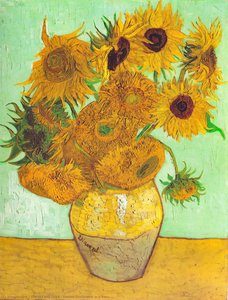
Vincent van Gogh's “Roses,” painted in 1890 during his time at the Saint-Rémy asylum, isn’t merely a depiction of flowers; it’s a profound exploration of color, emotion, and the artist’s own turbulent inner world. This intimate still life, now residing within the hallowed halls of the National Gallery of Art in Washington D.C., offers a poignant glimpse into Van Gogh's evolving artistic language and his relentless pursuit of capturing the essence of nature – not through photographic realism, but through intensely felt observation. The painting immediately draws the eye with its vibrant palette: a riot of pinks and whites from the roses themselves, contrasted against the calming backdrop of a simple green wall. Yet, it’s more than just a pleasing arrangement; it's a carefully constructed visual dialogue, brimming with subtle complexities that invite repeated viewing and contemplation.Van Gogh’s technique in “Roses” is instantly recognizable – bold, impasto brushstrokes layered upon one another to create texture and movement. He doesn’t shy away from applying thick swathes of paint, allowing the physicality of the medium itself to contribute to the artwork's expressive power. The roses aren’t rendered with delicate precision; instead, they are suggested through energetic dabs and dashes, conveying a sense of vitality and fleeting beauty. Notice how he uses short, choppy strokes to define the petals, while longer, flowing lines capture the movement of the stems. This deliberate roughness is a hallmark of his style – a rejection of academic restraint in favor of an intensely personal and immediate approach to painting.
The Context of a Troubled Genius
To fully appreciate “Roses,” it’s crucial to understand the context within which it was created. 1890 marked a pivotal year for Van Gogh, one defined by both artistic breakthroughs and profound psychological distress. Following his infamous episode in Arles, where he mutilated his ear, he voluntarily entered the Saint-Rémy asylum – a place that simultaneously offered him refuge and exacerbated his mental instability. Despite this challenging environment, Van Gogh continued to paint with an almost obsessive fervor, producing some of his most iconic works during his time there. “Roses” is believed to have been painted shortly before his departure from the asylum, reflecting a newfound sense of optimism and a desire to connect with the natural world as a source of solace and inspiration. The choice of roses themselves holds symbolic weight; often associated with love, beauty, and remembrance, they represent a hopeful counterpoint to Van Gogh’s personal struggles.Interestingly, the painting's color palette has subtly shifted over time due to the degradation of the paint pigments. Originally, the roses were likely a more vivid pink, creating a striking contrast against the green background. This fading serves as a poignant reminder of the ephemeral nature of beauty and the passage of time – themes that resonate deeply within Van Gogh’s oeuvre.
Beyond Representation: A Window into the Soul
“Roses” transcends its simple subject matter to become a powerful meditation on perception, emotion, and the artist's relationship with his surroundings. Van Gogh wasn’t simply painting flowers; he was attempting to capture their *feeling*, their essence. The vibrant colors aren’t merely descriptive; they are expressive – conveying joy, energy, and perhaps even a hint of melancholy. The inclusion of the insect, meticulously rendered with surprising detail amidst the swirling blooms, adds another layer of intrigue, suggesting an awareness of life's delicate balance and the interconnectedness of all things.Van Gogh’s legacy extends far beyond his artistic innovations; he remains one of the most beloved and influential figures in art history. His work continues to inspire artists and captivate audiences worldwide, offering a profound glimpse into the soul of a brilliant but troubled genius. A high-quality reproduction of “Roses” allows you to bring this extraordinary piece of art into your own space, inviting contemplation and sparking conversation for years to come.
A Legacy Preserved – And Recreated
OriginalUniqueArt offers meticulously crafted hand-painted reproductions of Van Gogh’s “Roses,” capturing the artist's unique style and emotional intensity with unparalleled accuracy. Each reproduction is created by skilled artisans who painstakingly replicate every brushstroke, color nuance, and textural detail of the original painting. Whether you are an art enthusiast, a collector seeking to expand your collection, or simply someone drawn to Van Gogh’s evocative imagery, our reproductions provide a beautiful and authentic way to experience this masterpiece firsthand. Explore the full details and order your own reproduction at OriginalUniqueArt today.질의응답
"Roses"에 대한 가이드는 어디에서 확인할 수 있나요?
"Roses"에 대한 안내는 작품의 가이드 페이지에서 확인하실 수 있습니다. 이 페이지는 작품의 캡션, 크레딧, 그리고 상세 정보 표(작가, 제작 연도, 재료, 원본 크기, 소장처)를 포함하여 출력 가능한 형태의 팩트시트로 제공됩니다.
"Roses" 작품을 증강 현실(AR)로 미리 볼 수 있나요?
"Roses"은(는) 증강 현실 미리보기를 제공합니다. 작품의 AR 미리보기 페이지를 통해 호환 가능한 기기에서 여러분의 공간에 배치된 작품을 확인해 보세요.
빈센트 반 고흐의 "Roses"의 휘도는 어느 정도인가요?
빈센트 반 고흐의 "Roses"의 휘도는 Bright Balance입니다. 휘도는 색상이 빛을 얼마나 반사하는지를 나타냅니다.
More about this painting
 실제 크기로 보기
 보내기
보내기 공유하기
공유하기
 상세 보기
상세 보기 가이드 보기

 이미지 다운로드
 유사 작품 더 보기
 X-레이
X-레이 슬라이드 쇼 보기
 Q&A
Q&A 통계 정보
통계 정보