실제 크기로 보기
 보내기
보내기 공유하기
공유하기
 상세 보기
상세 보기 가이드 보기

 이미지 다운로드
 유사 작품 더 보기
 X-레이
X-레이 슬라이드 쇼 보기
 Q&A
Q&A 통계 정보
통계 정보해골


 상세 보기
상세 보기
지클레 / 아트 프린트
빠른 제작과 다양한 마감 옵션을 선택할 수 있는 박물관 수준의 지클레이 및 캔버스 프린트. ( 수작업 채색 복제본 주문하기 디지털 이미지 판매 채널로 전환)




P118B ₩10

P118H ₩10

P118W ₩10

P438Z ₩10

P508JH ₩12

P508YH ₩12

P805H ₩10

P805Z ₩10

P919BZ ₩10

P919G ₩10

P919XJ ₩10

P959ZH ₩10

P968JZ ₩12

W106C ₩8

W218G ₩10

W218JH ₩8

W218Y ₩10

W307PJ ₩10

W316G ₩10

W316PJ ₩8

W316Y ₩10

W398PJ ₩8

W4111J ₩10

W500HY ₩15

W500JH ₩15

W692G ₩12

W849H ₩8

W940BG ₩15

W953PJ ₩8




작품의 원본 비율을 그대로 유지하는 프리셋 사이즈 중에서 선택해 보세요.

액자나 벽면 크기에 맞춰 필요한 가로와 세로 길이를 입력해 주세요. 프린트는 원본 이미지보다 크게 제작할 수 없으며 오직 자르는 것만 가능하므로, 비율이 다른 사이즈를 선택할 경우 이미지의 일부가 잘려 나갈 수 있습니다. 인쇄 작업에 들어가기 전, 최종 확인을 위해 디지털 목업을 보내드립니다. 이 페이지에 표시된 이미지는 실제 잘리는 영역을 나타내지 않으며, 오직 목업을 통해서만 정확한 확인이 가능합니다.


 유리 옵션은 110cm 미만 크기에서만 선택 가능합니다.

해골
지클레 / 아트 프린트
복제본 규격
-


총 결제 금액
₩ 108778
A Silent Echo: Vincent van Gogh’s “Skull”
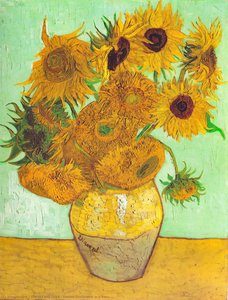
Vincent van Gogh's "Skull," painted in 1887, isn’t merely a depiction of bone and shadow; it’s a profound meditation on mortality, fragility, and the very essence of human existence. This intimate oil-on-canvas work, housed within the collections of museums worldwide including the Van Gogh Museum in Amsterdam, offers a glimpse into the artist's intensely personal world – a world grappling with illness, loss, and an urgent need to capture the fleeting beauty of life. The painting’s stark simplicity belies its complex emotional resonance, inviting viewers to contemplate the transient nature of all things.
The scene is deceptively straightforward: a weathered skull rests against a backdrop of vibrant yellow – a color that simultaneously radiates warmth and hints at decay. Van Gogh masterfully employs a palette dominated by earthy browns and muted greens, creating an organic feel that anchors the skull within a landscape of natural cycles. Notice how he doesn’t shy away from the imperfections of the bone; cracks and fissures are rendered with meticulous detail, suggesting not just age but also the ravages of time and the inevitable process of decomposition. This isn't a sanitized representation of death; it’s an honest confrontation with its reality.
Post-Impressionist Techniques: A Dance of Color and Texture
“Skull” is a quintessential example of Van Gogh’s Post-Impressionist style, characterized by bold colors, expressive brushstrokes, and a deliberate rejection of traditional academic techniques. The artist's signature impasto – thick layers of paint applied directly to the canvas – creates a palpable sense of texture and movement. Observe how the brushwork seems to writhe across the surface, conveying not just the physical form of the skull but also the emotional turmoil within Van Gogh himself. He uses short, choppy strokes to define the contours of the bone, contrasting them with broader, more fluid strokes in the background, suggesting a dynamic interplay between stillness and decay.
The strategic use of color is particularly noteworthy. The yellow isn’t simply a backdrop; it pulsates with an almost unsettling energy, hinting at life force struggling against the inevitable decline. Van Gogh's masterful manipulation of light and shadow creates a dramatic chiaroscuro effect, intensifying the skull’s presence and drawing the viewer’s eye to its stark beauty. The subtle variations in tone – from deep browns to pale yellows – contribute to the painting’s overall sense of depth and realism.
Symbolism and the Weight of Mortality
Throughout his oeuvre, Van Gogh frequently employed skulls as symbols of mortality and the transience of life. In “Skull,” this symbolism is powerfully conveyed through the juxtaposition of the decaying bone against the vibrant yellow background. The skull represents not just death but also the inevitable end of all earthly pursuits – a poignant reminder of our own vulnerability. However, the painting isn’t solely focused on despair; the bright yellow suggests a glimmer of hope, a recognition that even in the face of mortality, beauty and vitality can still be found.
Some art historians interpret the skull as a reflection of Van Gogh's own struggles with mental illness. The painting could be seen as an attempt to grapple with his own feelings of isolation, despair, and impending doom. Yet, despite the underlying melancholy, “Skull” possesses a strange dignity – a quiet acceptance of fate that speaks to the artist’s profound sensitivity and artistic vision. It's a testament to Van Gogh's ability to transform personal suffering into universal themes.
Van Gogh’s Legacy: An Enduring Influence
Vincent van Gogh’s impact on the art world is immeasurable. His bold experimentation with color, brushstroke, and subject matter paved the way for movements like Expressionism and Fauvism, profoundly influencing generations of artists. “Skull,” in its raw emotional honesty and technical brilliance, stands as a powerful example of Van Gogh's unique artistic voice – a voice that continues to resonate with audiences today.
If you’re captivated by this evocative masterpiece, OriginalUniqueArt offers meticulously crafted hand-painted reproductions of "Skull," allowing you to bring this iconic work into your own space. Explore our collection at OriginalUniqueArt and experience the power of Van Gogh’s vision firsthand. For further exploration, consider visiting the Van Gogh Museum in Amsterdam (Vangoghmuseum.nl) or the Rijksmuseum in Amsterdam (Rijksmuseum.nl), where you can immerse yourself in the world of this extraordinary artist.
작가 소개
열정으로 그려낸 삶: 빈센트 반 고흐
강렬한 색채와 날 것 그대로의 감정과 동의어가 된 이름, 빈센트 빌렘 반 고흐는 미술사에서 가장 잘 알려져 있으며 많은 사랑을 받는 인물 중 한 명입니다. 1853년 3월 30일 네덜란드 자운데르트에서 태어난 그의 여정은 삶의 목적을 찾아 방황하던 한 청년이 예술적 선구자로 거듭나기까지의 과정을 담은, 헌신과 투쟁, 그리고 궁극적인 유산에 관한 가슴 아픈 이야기입니다. 생전에는 상업적으로 거의 성공하지 못했으며, 사망 전 단 한 점의 작품인 붉은 포도밭만이 팔렸을 뿐이지만, 현대 미술에 미친 반 고흐의 영향력은 헤아릴 수 없을 만큼 거대합니다. 그는 표현주의의 길을 개척하며 뒤를 이은 수많은 예술가에게 영감을 주었습니다. 그의 이야기는 단순히 붓터치와 캔버스에 관한 것이 아니라, 역경에 맞서는 인간 표현력의 힘을 증명하는 하나의 증거입니다.
초기 삶과 예술적 깨달음
반 고흐의 초기 삶은 이루지 못한 열망들로 점철되어 있었습니다. 그는 미술품 판매상, 교사, 심지어 선교사에 이르기까지 다양한 직업을 전전하다가, 27세라는 비교적 늦은 나이에 비로소 그림에 전념하게 됩니다. 이러한 이전의 경험들은 그의 세계관을 깊게 형성하였고, 그의 예술 속에 고스란히 녹아들었습니다. 벨기에 시골의 농민들의 삶을 묘사한 초기 작품들은 노동 계층에 대한 깊은 공감과 그들의 고된 삶을 반영하는 어두운 색조를 띠고 있습니다. 장 프랑수아 밀레와 같은 화가들의 영향을 받아, 반 고흐는 날것 그대로의 사실주의를 통해 이들의 존엄성과 회복력을 담아내고자 했습니다. 그러나 1886년 파리로의 이주는 그의 인생을 완전히 바꾸어 놓은 전환점이 되었습니다. 그곳에서 그는 인상주의와 후기 인상주의를 접하며 모네, 르누아르, 피사로와 같은 거장들의 기법을 흡수했습니다. 이러한 경험은 그의 예술적 지평을 넓혀 더 밝은 색채와 자유로운 붓놀림을 실험하게 했지만, 동시에 동시대의 많은 화가들에게서는 찾아볼 수 없는 독특한 감정적 강렬함을 유지하게 했습니다. 미술품 판매상이었던 그의 동생 테오는 이 시기에 재정적인 지원을 제공하고 파리 예술계와의 중요한 연결고리 역할을 하며 결정적인 기여를 했습니다. 두 사람 사이에 오간 방대한 서신들은 반 고흐의 예술적 발전과 개인적인 고뇌를 이해하는 데 있어 무엇보다 귀중한 통찰을 제공합니다.
남부의 빛과 폭발적인 창의성
더욱 활기찬 풍경과 새로운 생명력을 찾아, 반 고흐는 1888년 프랑스 남부의 아를로 거처를 옮겼습니다. 이 시기는 색채의 폭발과 함께 특유의 임파스토 기법, 즉 물감을 캔버스 위에 두껍게 칠해 에너지가 맥동하는 듯한 질감을 만들어내는 독창적인 창작 활동이 정점에 달했던 시기였습니다. 바로 이곳에서 해바라기, 밤의 카페, 그리고 별이 빛나는 밤과 같은 그의 가장 상징적인 작품들이 탄생했습니다. 프로방스의 강렬한 햇살은 그의 상상력에 불을 지핀 듯했고, 전례 없는 생동감으로 풍경과 정물화를 그려내게 했습니다. 예술적 협업에 대한 갈망은 그로 하여금 폴 고갱을 아를로 초대하여 유토피아적인 예술가 공동체를 세우려는 꿈을 꾸게 했습니다. 그러나 두 사람의 관계는 격정적이었으며, 결국 반 고흐가 자신의 귀를 자르는 비극적인 충돌로 이어졌습니다. 이 사건은 그의 정신적 상태가 얼마나 취약했는지를 여실히 보여주었으며, 이후 그가 병원 생활을 하며 심리적 고통이 깊어지는 시기의 시작점이 되었습니다.
후기 삶과 영원한 유산
정신적 붕괴 이후, 반 고흐는 생레미의 요양원에 자진 입소하였고 그곳에서도 주변 풍경을 아름다움과 혼란 속에 담아내며 왕성한 창작 활동을 이어갔습니다. 이 시기에 그려진 별이 빛나는 밤과 같은 작품들은 우주적인 경외감과 깊은 감정적 울림을 전달합니다. 이후 그는 폴 가셰 박사의 보살핌 아래 오베르 쉬르 우아즈로 옮겨갔으나, 그의 고통은 계속되었습니다. 1890년 7월 29일, 37세의 나이로 반 고흐는 스스로 총을 쏘아 비극적인 생을 마감했습니다. 생전에는 거의 인정받지 못했음에도 불구하고, 그의 작품이 사후에 찬사를 받기 시작한 것은 그의 유산을 물려받아 예술 홍보에 평생을 바친 형수 요한나 반 고흐의 끊임없는 노력 덕분이었습니다. 오늘날 반 고흐의 회화는 감정적 강렬함, 혁신적인 기법, 그리고 영원한 아름다움으로 전 세계적인 찬사를 받고 있습니다. 그의 유산은 캔버스를 넘어 예술적 열정과 역경 속에서의 인내, 그리고 인간의 가장 깊은 감정을 표현하는 예술의 힘을 상징하는 아이콘이 되었습니다.
주요 영향과 예술적 발전
- 초기 사실주의: 장 프랑수아 밀레의 농민 삶에 대한 묘사는 반 고흐 초기 작품에 큰 영향을 주었습니다.
- 인상주의 및 후기 인상주의: 파리에서 접한 모네, 르누아르, 피사로 등의 화풍은 그의 색채와 기법을 확장시켰습니다.
- 일본 판화: 반 고흐는 열정적으로 수집했던 일본 우키요에 판화로부터 깊은 영향을 받았습니다. 이들의 대담한 구도와 평면적인 색면 구성은 그만의 독창적인 스타일을 형성하는 데 기여했습니다.
- 감정적 표현: 무엇보다도 반 고흐는 객관적인 재현보다는 주관적인 경험을 우선시하며 예술을 통해 감정을 전달하고자 했습니다. 이러한 감정적 강렬함에 대한 집중은 그의 작품을 정의하는 특징이 되었으며, 이후 표현주의가 탄생할 수 있는 길을 열어주었습니다.
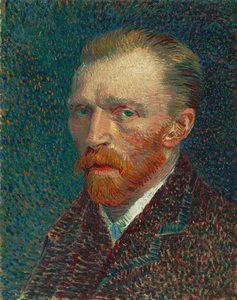
빈센트 반 고흐
1853 - 1890 , 네덜란드
작가 정보 요약
- 국적: 네덜란드
- 대표작:
- 해바라기
- 별이 빛나는 밤
- 감자 먹는 사람들
- 밤의 카페 테라스
- 사망일: 1890년 7월 29일
- 영향을 받은 예술 사조:
- 표현주의
- 포비즘
- 영향을 준 예술가:
- 장 프랑수아 밀레
- 르네 마그리트
- 예술 사조: 후기 인상주의
- 전체 이름: 빈센트 윌렘 반 고흐
- 출생일: 1853년 3월 30일
- 출생지: 순데르트, 네덜란드
관련 기사
Golden Hues: Top 10 Paintings Dominated by Yellow Ochre |
Explore 10 iconic paintings bathed in golden yellow ochre! From Van Gogh's sunflowers to Monet’s haystacks, discover the stories behind these masterpieces. Find museum-quality art reproductions & elevate your home decor on .
Golden Hues: 10 Masterpieces Dominated by Chrome Yellow | OriginalUniqueArt
Immerse yourself in golden light! Explore 10 famous paintings dominated by 'Chrome Yellow', from Van Gogh’s Sunflowers to Monet's Haystacks. Discover the stories behind these iconic Impressionist & Post-Impressionist masterpieces and find museum-quality art reproductions at OriginalUniqueArt.com.
Decoding Van Gogh's Turmoil: OriginalUniqueArt’s Masterful Reproductions of Emotional Depth
Discover exquisite Van Gogh reproductions from OriginalUniqueArt – expert art specialists offering museum-quality prints & custom paintings. Trust our authentic process and elevate your collection today.
후기인상주의를 정의한 10대 걸작: 예술과 홈데코의 새로운 영감
후기인상주의를 빛낸 10대 명작! 고흐, 세잔 등 거장의 작품 비하인드 스토리와 예술적 의미를 만나보세요. OriginalUniqueArt에서 최고급 미술 복제 및 인테리어 영감을 얻고, 당신의 공간을 예술로 채워보세요. 지금 바로 확인하세요!

렘브란트 반 레인 명작 25선: 빛과 그림자의 거장, 예술의 정수를 만나다
렘브란트 반 레인 명작 25선을 만나보세요. 빛과 그림자의 거장이 그린 역사화, 초상화 속 예술의 정수를 감상하고, 네덜란드 황금시대 바로크 미술의 깊이를 느껴보세요. OriginalUniqueArt.com에서 고품질 복제화를 컬렉션하세요.