

 미리보기
미리보기
 공유하기
공유하기 공유하기
공유하기
 상세 정보
상세 정보

 다운로드
다운로드
 유사 작품
유사 작품 X-레이
X-레이 슬라이드 쇼
 통계 정보
통계 정보Susanna and Elders
 105.0 x 85.0 cm
 더 보기
더 보기
지클레 / 아트 프린트
빠른 제작과 다양한 마감 옵션을 제공하는 박물관 품질의 지클레이 또는 캔버스 프린트. ( 손으로 그린 그림 구매 디지털 이미지로 전환)




































작품의 원본 비율을 유지하는 미리 설정된 크기 중에서 선택하세요.

특정 프레임이나 공간에 맞춰 직접 치수를 입력하실 수 있습니다. 선택하신 사이즈가 원본 이미지의 비율과 일치하지 않을 경우, 작품을 크롭(자르기)하거나 이미지를 대칭 또는 단색 채우기로 확장하여 제작합니다. 제작 시작 전, 최종 확인을 위해 디지털 목업이 전송됩니다.
화면상의 미리보기는 실제 크롭이나 확장 상태를 반영하지 않으므로, 최종 구도는 오직 목업을 통해서만 정확하게 확인하실 수 있습니다.
맞춤 사이즈 제작도 가능하지만, 원본 비율을 유지하기 위해서는 사전 정의된 목록에서 치수를 선택하시는 것을 권장합니다.


 유리 옵션은 110cm 미만 크기에서만 선택 가능합니다.

Susanna and Elders
지클레 / 아트 프린트
복제본 크기
-


최종 결제 금액
$ 80
작가 약력
Vincent Sellaer: A Renaissance Bridging Italy and Flanders
Vincent Sellaer (1490 – 1564), a figure shrouded in the mists of early sixteenth-century art history, remains one of the most intriguing enigmas of the Flemish Renaissance. Born in Mechelen, Belgium, around 1500, his life and career are remarkably sparsely documented, leaving much to speculation and scholarly interpretation. Despite this lack of concrete biographical details – a frustratingly common predicament for artists of his era – Sellaer’s artistic legacy speaks volumes, revealing a painter who masterfully blended Italian sophistication with the robust Northern tradition, creating works of monumental scale and profound emotional resonance. He flourished primarily in Mechelen, becoming arguably the city's most prominent artist during that period, serving as a favored patron to members of the court and the influential Great Council.Early Life and Uncertain Origins
The precise details surrounding Sellaer’s early life remain elusive. Records are frustratingly scarce, offering little beyond his birthdate and place of origin. Scholars have long debated whether he should be identified with Vincent Geldersman, a painter mentioned by the 17th-century biographer Karel van Mander. Van Mander described Geldersman as a skilled allegorist, citing works such as Leda with two eggs, Susanna and the Elders, and Cleopatra with the asp – subjects that strongly align with Sellaer’s known oeuvre. This identification has gained considerable traction due to stylistic similarities and thematic overlaps. Further fueling this connection is the mention of Sellaer within Van Mander's *Life of Frans Minnebroer*, solidifying his position as a notable figure in Mechelen’s artistic community. While definitive proof remains elusive, the prevailing scholarly consensus points towards Vincent Geldersman being synonymous with Vincent Sellaer.Italian Influences and Artistic Development
Despite his rootedness in Flanders, Sellaer's art reveals a profound engagement with Italian Renaissance aesthetics. A significant portion of art historians now believe that Sellaer spent several years working in Brescia, Italy, between 1521 and 1524. This period of residence is hypothesized to have profoundly shaped his artistic sensibilities, exposing him to the innovative techniques and stylistic trends flourishing within the Lombardian school. The influence of masters like Leonardo da Vinci, Moretto da Brescia, and Girolamo Romani is readily apparent in Sellaer’s compositions – particularly in the use of sfumato, a subtle blurring of lines and colors that creates an atmospheric depth and luminosity rarely seen in Northern painting at the time. Furthermore, evidence suggests a connection to the Florentine-Roman school, influenced by Andrea del Sarto and Raphael, contributing to a complex layering of stylistic elements within his work. The later works, notably those depicting the Holy Family, demonstrate this synthesis with remarkable clarity.Key Works and Recurring Themes
Sellaer’s artistic output is characterized by its scale, dramatic intensity, and masterful handling of light and shadow. He is particularly renowned for his monumental depictions of religious subjects, notably the *Christ blessing the Children* (Alte Pinakothek, Munich), a panel that served as the foundation for much subsequent attribution of works to his hand. This painting exemplifies Sellaer’s signature style: half-length central figures commanding attention, surrounded by subsidiary figures that effectively narrate the story. Recurring themes include depictions of the Holy Family – often featuring Mary, John the Baptist, and Zechariah – frequently accompanied by saints and angels. These compositions are imbued with a profound sense of piety and familial devotion. The motif of putti (cherubs) is also prevalent, adding an element of playful innocence to many of his works. The *Leda and the Swan* cycle, though lacking a definitive example depicting Leda with eggs, has been extensively attributed to Sellaer based on stylistic parallels and thematic resonance.Legacy and Historical Significance
Despite the paucity of biographical information, Vincent Sellaer’s impact on the artistic landscape of 16th-century Flanders is undeniable. He stands as a pivotal figure in bridging the gap between Italian Renaissance innovation and Northern European tradition. His monumental scale, dramatic compositions, and masterful use of color and light set him apart from his contemporaries, establishing a new standard for religious painting in Mechelen. Sellaer’s work represents a crucial moment in the evolution of Flemish art, demonstrating the profound influence of Italian artistic trends on the development of Northern European painting during this transformative period. His legacy continues to fascinate and inspire artists and scholars alike, reminding us that even in the absence of complete biographical details, an artist's enduring contribution can speak volumes through the power of their creations.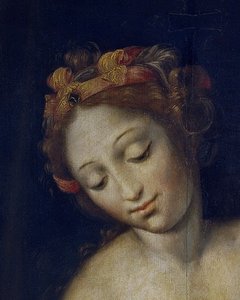
Vincent Sellaer
1500 - 1589 , Belgium
주요 정보
- Artistic Movement Or Style: Renaissance, Italian-Northern
- Artists Or Movements Influenced By This Artist:
- Raphael
- Andrea del Sarto
- Titian
- Artists Who Influenced This Artist:
- Leonardo da Vinci
- Moretto da Brescia
- Girolamo Romani
- Date Of Birth: 1490 (Mechelen)
- Date Of Death: 1564 (Mechelen)
- Full Name: Vincent Sellaer
- Nationality: Flemish
- Notable Artworks:
- Christ blessing the Children
- Leda and the Swan
- Place Of Birth: Mechelen, Belgium