

 실제 크기로 보기
 보내기
보내기 공유하기
공유하기
 상세 보기
상세 보기 가이드 보기

 이미지 다운로드
 유사 작품 더 보기
 X-레이
X-레이 슬라이드 쇼 보기
 Q&A
Q&A 통계 정보
통계 정보Vilnius
 Oil On Canvas
- WallArt
- Modernism
 1965
1965- Modern
 70.0 x 70.0 cm
 Lithuanian Art Centre TARTLE
 상세 보기
상세 보기
이 페이지에 표시된 작품은 저작권법의 보호를 받으며, 이에 따라 동일한 복제품을 제작하거나 판매하는 것은 법으로 금지되어 있습니다. 이러한 권리 보호는 다음과 같은 국제 협약에 따라 시행됩니다. 베른 협약 또한 다음에서 명시하는 법률을 포함한 국내법에 의해 보호됩니다. 미국 저작권법 제17조.
이 방식은 저작권 보호를 받는 예술 작품을 복제하거나 그대로 재현하는 것이 아니기에 저작권 규정을 완벽히 준수합니다. 대신, 이는 창의적인 재해석의 과정을 거칩니다. 즉, 원작에서 영감을 받되 원작과 동일하지 않은 새로운 회화 작품을 의미합니다.
지클레 / 아트 프린트
빠른 제작과 다양한 마감 옵션을 선택할 수 있는 박물관 수준의 지클레이 및 캔버스 프린트. ( 수작업 채색 복제본 주문하기 디지털 이미지 판매 채널로 전환)




P118B ₩10

P118H ₩10

P118W ₩10

P438Z ₩10

P508JH ₩12

P508YH ₩12

P805H ₩10

P805Z ₩10

P919BZ ₩10

P919G ₩10

P919XJ ₩10

P959ZH ₩10

P968JZ ₩12

W106C ₩8

W218G ₩10

W218JH ₩8

W218Y ₩10

W307PJ ₩10

W316G ₩10

W316PJ ₩8

W316Y ₩10

W398PJ ₩8

W4111J ₩10

W500HY ₩15

W500JH ₩15

W692G ₩12

W849H ₩8

W940BG ₩15

W953PJ ₩8




작품의 원본 비율을 그대로 유지하는 프리셋 사이즈 중에서 선택해 보세요.

액자나 벽면 크기에 맞춰 필요한 가로와 세로 길이를 입력해 주세요. 프린트는 원본 이미지보다 크게 제작할 수 없으며 오직 자르는 것만 가능하므로, 비율이 다른 사이즈를 선택할 경우 이미지의 일부가 잘려 나갈 수 있습니다. 인쇄 작업에 들어가기 전, 최종 확인을 위해 디지털 목업을 보내드립니다. 이 페이지에 표시된 이미지는 실제 잘리는 영역을 나타내지 않으며, 오직 목업을 통해서만 정확한 확인이 가능합니다.


 유리 옵션은 110cm 미만 크기에서만 선택 가능합니다.

Vilnius
지클레 / 아트 프린트
복제본 규격
-


총 결제 금액
₩ 108446
작가 소개
Vincas Kisarauskas: A Radical Voice in Soviet Lithuania
Born in Augiemanių, Lithuania, in 1934, Vincas Kisarauskas’s life and art were inextricably linked to the turbulent currents of Soviet-era Lithuania. He emerged as a pivotal figure in the country's burgeoning modernist scene – a bold experimenter who defied official constraints while simultaneously pushing the boundaries of artistic expression. Often described as one of the most progressive artists of his time, Kisarauskas’s work is characterized by its raw emotion, unsettling imagery, and a deliberate rejection of prevailing ideological norms. His legacy lies not just in the paintings he created but also in his courageous stance against censorship and his profound influence on subsequent generations of Lithuanian artists.
Early Years and Artistic Training
Kisarauskas’s artistic journey began with a practical grounding in ceramics at the Telšiai Trade School of Applied Arts. This early exposure to tactile materials and functional design subtly shaped his later approach, influencing his use of texture and form. He then transitioned to Vilnius Art Institute, initially studying textiles before transferring to the Painting Department in 1959. It was here that he truly began to develop his distinctive style – a potent blend of abstraction, expressionism, and a deeply personal vision. His graduation marked the beginning of a period where his work would be largely marginalized by the state’s rigid artistic controls.
A Style Defined by Disruption and Emotion
Kisarauskas's art is immediately arresting. He wasn’t interested in creating pleasant, easily digestible images; instead, he sought to confront viewers with uncomfortable truths about the human condition. His paintings are often characterized by fragmented figures, distorted perspectives, and a palpable sense of unease. He frequently employed stark contrasts between light and shadow, utilizing bold colors – particularly reds and blacks – to amplify the emotional intensity of his scenes. Kisarauskas’s work can be seen as a direct response to the psychological pressures of living under Soviet rule, reflecting the anxieties, frustrations, and suppressed desires of ordinary Lithuanians. He was a pioneer in combining painting with photography and assemblage, creating multi-layered works that challenged traditional artistic conventions.
Recognition After Censorship: A Late Flowering
For much of his career, Kisarauskas’s work remained largely unseen by the public. The Soviet authorities actively suppressed any art deemed “formalist” or subversive, and his innovative style was considered a threat to ideological orthodoxy. Despite this censorship, he continued to create prolifically, often working in secret and distributing his art through informal channels. It wasn't until after his death in 1988 in New York that his work began to receive wider recognition. The lifting of restrictions on artistic expression following the collapse of the Soviet Union allowed Kisarauskas’s legacy to finally emerge, solidifying his place as a key figure in Lithuanian modernism and a courageous voice against oppression.
Key Works and Lasting Influence
Several works stand out as particularly significant examples of Kisarauskas's artistic vision. “Christ at Emmaus” (1988), painted shortly before his death, is a powerful depiction of faith and suffering, rendered in a raw and emotionally charged style. "Illuminated Window III" (1987) showcases his exploration of light and shadow, while "April Space" (XX Century. V) reflects the anxieties of the era. His smaller-format works, including diary-like sketchbooks and ex-libris designs, offer a glimpse into his creative process and reveal a remarkable versatility. Kisarauskas’s influence extends beyond his own creations; he inspired countless artists in Lithuania to challenge conventions and explore new forms of expression. He remains a potent symbol of artistic freedom and a testament to the enduring power of art to resist oppression.
Useful Links:

Vincas Kisarauskas
1934 - 1988 , Lithuania
작가 정보 요약
- Full Name: Vincas Kisarauskas
- Nationality: Lithuanian
- Date Of Birth: 1934
- Date Of Death: 1988
- Place Of Birth: Augiemanių, Lithuania
- Notable Artworks:
- Christ at Emmaus
- Illuminated Window III
- April Space
- Tilting towards Zanavykai
- Six Figures...
- Artistic Movement Or Style: Radical Modernism
- Artists Who Influenced This Artist: ['Abstract Expressionism']
- Artists Or Movements Influenced By This Artist: ['Contemporary Lithuanian art']
관련 기사

Crimson Threads of Narrative: Exploring Symbolism & Representation in Artworks Featuring the Red Dress
Explore the rich symbolism of the red dress in art history! From ancient power displays to iconic portraits like Cézanne’s 'Madame Cezanne', discover the cultural and artistic significance behind this captivating color. Expert analysis & insights.

Concrete Visions: Exploring the Urban Landscape in Painting – From Realism to Contemporary Art
Explore the evolution of cityscape painting from Realism to contemporary art with OriginalUniqueArt. Discover key artists & invest in timeless urban visions. Expert guidance, museum-quality reproductions.
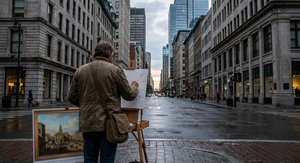
Urban Visions: A Historical & Artistic Exploration of the Cityscape in Painting
Explore the evolution of cityscape painting from historical maps to Impressionist masterpieces. Discover artists like Caillebotte & Utrillo. Find museum-quality reproductions at OriginalUniqueArt.
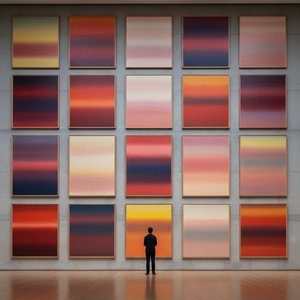
마크 로스코 최고작 25선: 색채로 표현된 심오한 감정과 예술의 세계 | OriginalUniqueArt
마크 로스코 최고작 25선을 만나보세요. 추상 표현주의 거장의 색채로 표현된 심오한 감정과 예술의 세계를 탐험하고, OriginalUniqueArt에서 명화 복제본과 특별한 인테리어 아이디어를 찾아보세요. 지금 바로 컬렉션을 확인하세요!
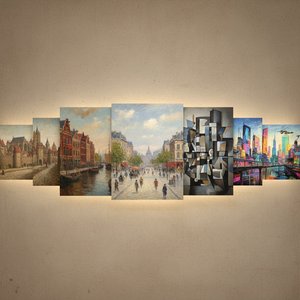
Urban Visions: A Historical & Artistic Exploration of the Cityscape in Painting
Explore the evolution of cityscape painting from historical maps to Impressionist masterpieces. Discover artists like Caillebotte, Utrillo & Matsumoto Shunsuke. Find museum-quality reproductions at OriginalUniqueArt.