

 미리보기
미리보기
 공유하기
공유하기 공유하기
공유하기
 상세 정보
상세 정보

 다운로드
다운로드
 유사 작품
유사 작품 X-레이
X-레이 슬라이드 쇼
 통계 정보
통계 정보Moses Striking the Rock
 Acrylic On Canvas
- WallArt
- Baroque Painting
 1653
1653 197.0 x 261.0 cm
 루브르 박물관
 더 보기
더 보기
지클레 / 아트 프린트
빠른 제작과 다양한 마감 옵션을 제공하는 박물관 품질의 지클레이 또는 캔버스 프린트. ( 손으로 그린 그림 구매 디지털 이미지로 전환)




P118B $10

P118H $10

P118W $10

P438Z $10

P508JH $12

P508YH $12

P805H $10

P805Z $10

P919BZ $10

P919G $10

P919XJ $10

P959ZH $10

P968JZ $12

W106C $8

W218G $10

W218JH $8

W218Y $10

W307PJ $10

W316G $10

W316PJ $8

W316Y $10

W398PJ $8

W4111J $10

W500HY $15

W500JH $15

W692G $12

W849H $8

W940BG $15

W953PJ $8




작품의 원본 비율을 유지하는 미리 설정된 크기 중에서 선택하세요.

특정 프레임이나 공간에 맞춰 직접 치수를 입력하실 수 있습니다. 선택하신 사이즈가 원본 이미지의 비율과 일치하지 않을 경우, 작품을 크롭(자르기)하거나 이미지를 대칭 또는 단색 채우기로 확장하여 제작합니다. 제작 시작 전, 최종 확인을 위해 디지털 목업이 전송됩니다.
화면상의 미리보기는 실제 크롭이나 확장 상태를 반영하지 않으므로, 최종 구도는 오직 목업을 통해서만 정확하게 확인하실 수 있습니다.
맞춤 사이즈 제작도 가능하지만, 원본 비율을 유지하기 위해서는 사전 정의된 목록에서 치수를 선택하시는 것을 권장합니다.


 유리 옵션은 110cm 미만 크기에서만 선택 가능합니다.

Moses Striking the Rock
지클레 / 아트 프린트
복제본 크기
-


최종 결제 금액
$ 80
Valerio Castello’s Dramatic Genesis: “Moses Striking the Rock”
Valerio Castello's "Moses Striking the Rock," painted in 1653, is not merely a depiction of a biblical narrative; it’s a visceral embodiment of divine power and human faith. This monumental canvas, measuring an impressive 197 x 261 cm, transports the viewer directly into the heart of Exodus, capturing a pivotal moment where Moses, guided by God, commands water to emerge from the parched desert landscape. Castello, a leading figure in the vibrant Baroque art scene of Genoa, masterfully blends elements of Italian Renaissance grandeur with a distinctly dramatic flair, creating an image that resonates with both spiritual intensity and theatrical spectacle.
The painting’s style is firmly rooted in the Mannerist tradition, yet it transcends simple imitation. Castello doesn't shy away from exaggeration – the musculature of Moses is sculpted with a deliberate intensity, conveying not just strength but also an almost superhuman resolve. The figures surrounding him are similarly rendered with heightened realism, their expressions etched with urgency and hope. This dramatic approach, reminiscent of the works of Tintoretto and Veronese, who profoundly influenced Castello’s artistic development, imbues the scene with a palpable sense of drama and movement. Castello's early training in Genoa, coupled with his travels to Milan and Parma, exposed him to these influential styles, shaping his unique visual language.
A Symphony of Color and Light
Castello’s technical skill is immediately apparent in the masterful use of color and light. The palette is rich and vibrant, dominated by deep reds, blues, and ochres that evoke the heat and dust of the desert. The artist employs a technique known as *chiaroscuro*, skillfully manipulating light to create dramatic contrasts between illuminated figures and shadowed backgrounds. This chiaroscuro effect not only adds depth and volume to the composition but also draws the viewer’s eye directly to Moses, highlighting his central role in the narrative. The use of layered glazes creates a luminous quality, giving the painting an almost ethereal glow – a testament to Castello's understanding of how light interacts with surface.
The composition itself is carefully orchestrated. Moses, positioned slightly off-center, dominates the scene, his outstretched hand poised to strike the rock. The figures gathered around him—the Israelites, their faces turned towards the miracle – are rendered in varying degrees of detail, emphasizing their collective anticipation and faith. Noticeably, two birds are included in the composition; one perched near the top left corner and another at the bottom right. These additions aren’t merely decorative; they likely symbolize hope and divine guidance, mirroring the miraculous emergence of water from the rock.
Historical Context and Artistic Influences
“Moses Striking the Rock” was created during a period of significant artistic innovation in Genoa. Castello's work reflects the city's thriving cultural scene, where artists were experimenting with new techniques and styles while drawing inspiration from both classical traditions and contemporary masters. His exposure to the works of Venetian painters like Tintoretto and Veronese—known for their dynamic compositions and dramatic use of light—clearly influenced his approach to this biblical subject. Furthermore, Castello’s time in Parma allowed him to study the work of Italian Mannerist artists, further refining his style.
The painting's creation coincided with a renewed interest in religious themes during the Baroque era. The Catholic Church was actively commissioning artworks designed to inspire faith and devotion, and Castello’s “Moses Striking the Rock” undoubtedly served this purpose. It is believed that the work was commissioned for the Palazzo Brignole Sale in Genoa, where it remains today, a powerful testament to the artist's skill and vision.
Symbolism and Emotional Resonance
Beyond its technical brilliance, “Moses Striking the Rock” resonates with profound symbolic meaning. The act of Moses striking the rock is not simply a miraculous event; it represents God’s intervention in the lives of his people, providing them with sustenance and ultimately leading them to freedom. The painting captures this moment of divine grace with remarkable intensity, conveying a sense of hope, faith, and deliverance. The figures' expressions—a mixture of awe, gratitude, and anticipation—speak volumes about the transformative power of belief.
Ultimately, Valerio Castello’s “Moses Striking the Rock” is more than just a historical painting; it’s a deeply moving exploration of faith, hope, and the enduring human desire for salvation. Its dramatic composition, masterful use of color and light, and profound symbolism continue to captivate viewers centuries after its creation, solidifying Castello's place as one of Genoa’s most important Baroque artists.
작가 약력
The Genesis of a Genoese Visionary
Valerio Castello emerged from the shadows of a noble Genoese lineage, a life marked by both the prestige of his birth and the sudden sting of financial hardship following his father’s untimely death. While his path might have led toward the quiet halls of scholarly pursuit, an innate, profound connection to the art of drawing redirected his destiny toward the canvas. Under the watchful eyes of masters such as Domenico Fiasella and Giovanni Andrea De Ferrari, the young Castello began to weave his technical prowess with a burgeoning artistic ambition. This formative period was not merely about mastering the brush; it was about absorbing the very essence of the Ligurian spirit, preparing him for a career that would soon illuminate the heights of the Baroque era.A Tapestry of Light and Motion
The trajectory of Castello’s genius was irrevocably altered by his transformative travels through Milan and Parma between 1640 and 1645. These wanderings served as a vital immersion into the vibrant currents of Venetian art, where he encountered the dramatic intensity of Camillo Procaccini. His style began to coalesce into a magnificent synthesis, blending the theatrical dynamism of Tintoretto with the opulent, sun-drenched grandeur of Veronese. This unique alchemy allowed him to master the complexities of composition and perspective, particularly in his celebrated battle scenes, which captured the chaotic energy and heroic scale favored by the European elite. His ability to blend these disparate influences created a visual language that was both muscular and exquisitely graceful.An Enduring Baroque Legacy
Though his life was tragically brief, ending in 1659, the impact of Castello’s hand remains etched into the architectural and spiritual fabric of Genoa. His ability to command both the intimate canvas and the monumental fresco is evident in works such as Moses Striking the Rock, a 1653 masterpiece that embodies divine power through visceral movement, and his breathtaking frescoes within the Basilica della Santissima Annunziata del Vastato. Whether depicting the poignant biblical narratives of Rebecca at the Well or the grand, collaborative triumphs at the Palazzo Balbi, Castello infused every stroke with a sense of spiritual transcendence. His influence rippled through generations, notably shaping the development of Domenico Piola and cementing his status as a pre-eminent figure of the Baroque, leaving behind a legacy of light, drama, and profound human emotion.
Valerio Castello
1624 - 1659 , Italy
주요 정보
- Artistic Movement Or Style: Baroque
- Artists Or Movements Influenced By This Artist: ['Domenico Piola']
- Artists Who Influenced This Artist:
- Tintoretto
- Veronese
- Date Of Birth: 1624 Genoa Italy
- Date Of Death: 1659
- Full Name: Valerio Castello
- Nationality: Italian
- Notable Artworks:
- Miracle of Saint Zita
- Sacra famiglia e angeli
- The Adoration of the Magi
- Place Of Birth: Genoa Italy
관련 기사 더 보기

The Dramatic Flourish: Exploring the Baroque Movement's Enduring Legacy in Art History
Explore the dramatic world of Baroque art! Discover iconic artists like Caravaggio & Rubens, defining techniques, and its lasting impact on art history. Expert insights for collectors & enthusiasts at OriginalUniqueArt.
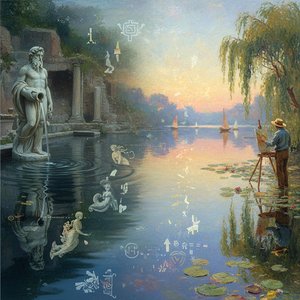
Fluid Reflections: Exploring Water's Symbolism in Art History – From Myth to Impressionism
Explore the rich symbolism of water in art history – from ancient myths to Impressionism's fleeting beauty. Discover masterpieces & find your perfect serene artwork with OriginalUniqueArt.com.

화려함 속에 감춰진 진실! 바로크 미술을 정의한 10대 걸작 탐구
화려함과 극적인 표현이 압권! 바로크 미술을 대표하는 10대 걸작의 숨겨진 이야기를 만나보세요. 베르니니, 루벤스 등 거장의 작품부터 바로크 색감, 예술적 기법까지 – OriginalUniqueArt.com에서 명품 복제 & 인테리어 영감을 얻으세요! 지금 바로 컬렉션을 탐험해보세요.

바로크의 드라마: 현대 인테리어에 풍요로움과 감동을 불어넣기
바로크 예술의 풍요로운 세계를 탐험하고, 현대 인테리어에 감동을 불어넣는 방법을 OriginalUniqueArt에서 만나보세요. 카라바조, 렘브란트 등 거장들의 작품과 키아로스쿠로 기법 활용 노하우를 공개합니다.

The Visceral Stage: Exploring Dramatic Narratives & Emotional Intensity in Baroque Art
Explore the dramatic world of Baroque art! Discover iconic masters like Caravaggio & Rembrandt, their techniques, and the movement's lasting impact. Expert insights for collectors & enthusiasts at OriginalUniqueArt.