
 미리보기
미리보기
 공유하기
공유하기 공유하기
공유하기
 상세 정보
상세 정보

 다운로드
다운로드
 유사 작품
유사 작품 X-레이
X-레이 슬라이드 쇼
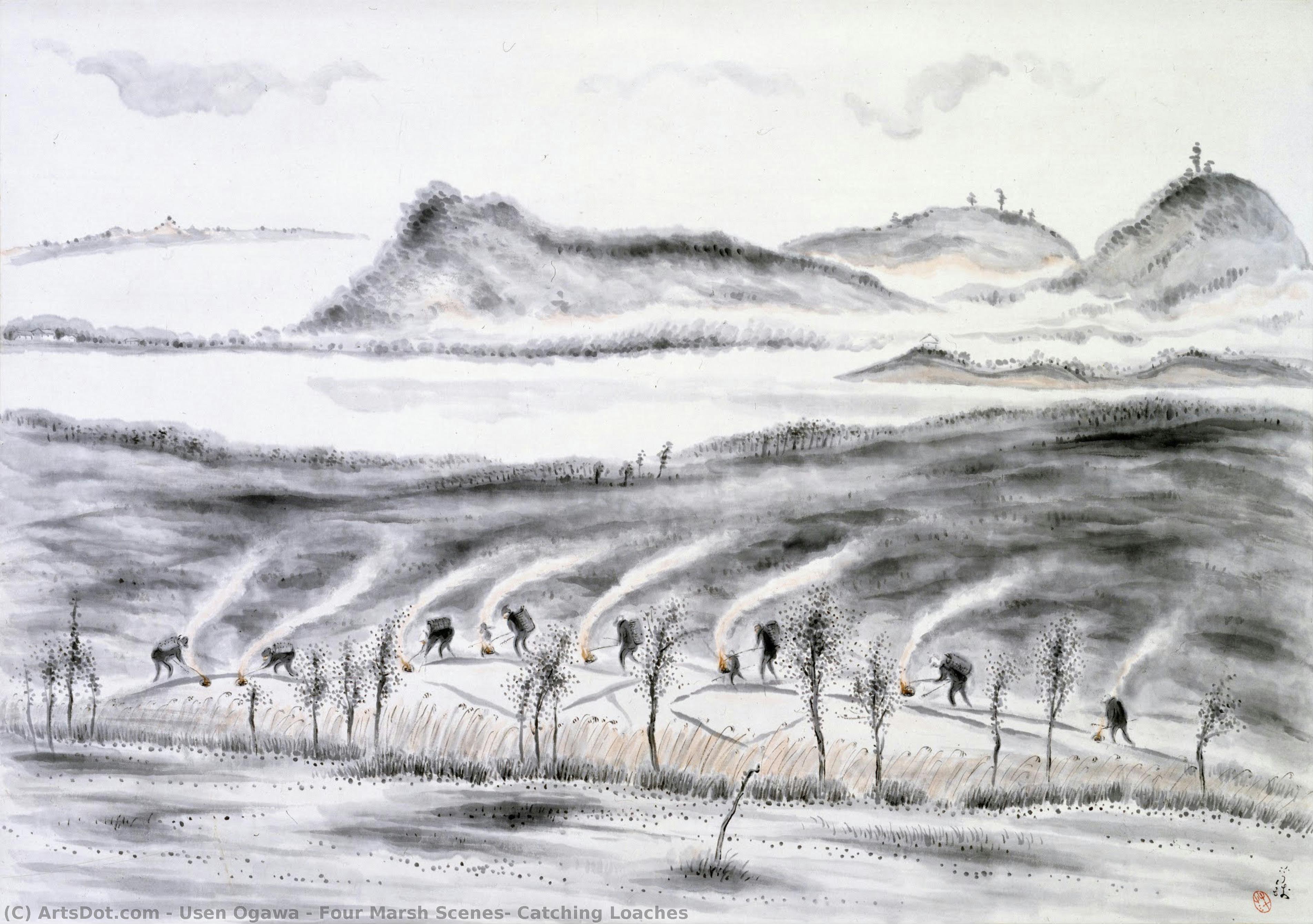
Four Marsh Scenes: Catching Loaches
 1922
1922 92.0 x 65.0 cm
 Aichi Prefectural Museum of Art
 더 보기
더 보기
온라인 미리보기보다 훨씬 뛰어난 품질의 고해상도 디지털 이미지를 구매해 보세요.
각 파일은 사내 전문가가 고급 도구와 숙련된 수동 리터칭 기술을 사용하여 세심하게 준비합니다. 우리는 모든 이미지가 탁월한 선명도, 정확한 색상 재현력, 그리고 미세한 디테일까지 완벽하게 갖추도록 보장합니다.
최종 파일은 전문적인 편집 및 인쇄 환경에서 즉시 사용할 수 있도록 최적화되어 72시간 이내에 이메일로 발송됩니다. 이는 세계적인 디자인 스튜디오, 출판사 및 갤러리가 신뢰하는 것과 동일한 품질입니다.
디지털 이미지
개인 소장 및 전시, 인쇄, 창작 프로젝트를 위한 고해상도 파일을 다운로드하세요. ( 프린트 구매 손으로 그린 그림 구매)
모든 디지털 이미지 주문에 포함된 혜택
전문적인 디지털 이미지 전송 보장
OriginalUniqueArt.com를 선택하시면 단순히 이미지를 받는 것을 넘어, 정밀한 보정 과정을 거친 전문적인 디지털 예술 작품을 만나보실 수 있습니다. 모든 작품에는 만족 보장 서비스가 함께 제공되며, 주문 시 다음과 같은 사항들이 자동으로 포함됩니다:

빠른 이메일 전송
주문 후 72시간 이내에 고해상도 디지털 이미지 파일이 이메일로 발송되며, 즉시 사용하실 수 있습니다.

AI 기술로 향상된 디지털 파일
귀하의 작품은 고급 AI 도구와 수동 편집 과정을 거쳐 전문적으로 최적화되며, 이를 통해 디테일과 선명도, 색상의 정확도를 극대화합니다.

평생 무료 재전송 서비스
파일을 실수로 삭제하거나 분실하셨나요? 걱정 마세요. 언제든 무료로 다시 보내드립니다.

추가 수입 비용 없음 - 언제나
관세나 부가세, 배송비 부담 없이 작품을 즉시 감상하세요 - 디지털 다운로드는 언제나 면세 혜택이 적용됩니다.

정확한 색상 보장
전문적인 도구와 색상 관리 시스템을 통해 디지털 이미지가 원본의 색상을 최대한 정확하게 구현하도록 보장합니다.

60일 만족 보장제
구매하신 디지털 이미지에 만족하지 못하실 경우, 60일 이내에 수정 또는 100% 환불을 진행해 드립니다 - 어떠한 문의도 필요 없습니다.

100% 환불 보장
만족하지 못하셨나요? 디지털 파일을 수령하신 후 60일 이내라면 별도의 이유를 밝힐 필요 없이 전액 환불해 드립니다.

대량 주문 할인
이미지 3매 구매 시 10% 할인 - 5매 구매 시 15% 할인 - 10매 이상 구매 시 20% 할인. 크리에이티브 프로젝트, 갤러리, 에이전시에 매우 유용합니다.
작가 소개
The Ethereal Vision of Usen Ogawa: A Symphony of Nature and Folklore
In the delicate intersection where the natural world meets the realm of myth, the artistry of Usen Ogawa resides. Born in the twilight of the Tokugawa Shogunate in Edo—modern-day Tokyo—Ogawa’s life was a profound reflection of Japan’s rapid transition from feudal tradition to modern complexity. Though his name is often synonymous with the revitalized landscape traditions of the early twentieth century, his spirit was deeply rooted in the soil and water of the Ibaraki Prefecture. His journey was not merely one of aesthetic evolution, but a lifelong pursuit of capturing the unseen energies that pulse through the Japanese landscape, from the humble movements of waterfowl to the legendary presence of the kappa.
Ogawa’s early training provided him with a unique dual perspective. Initially studying Western-style painting under the guidance of Honda Kinkichirō, he mastered techniques of light and shadow that would later breathe life into his compositions. Yet, it was his return to the Ushiku swamp in 1896 that truly defined his artistic soul. Living as both a farmer and an artist, he developed an intimate, tactile relationship with his subject matter. This period of seclusion allowed him to observe the subtle shifts in marshland ecology, leading to his celebrated ability to depict botanical precision alongside atmospheric mystery. His work became a bridge between the Nihonga tradition—which sought to preserve Japanese aesthetics—and a more modern, expressive sensibility that embraced the vitality of everyday life.
Mastery of the Shin-hanga Spirit and Natural Detail
As a pivotal figure within the Shin-hanga movement, Ogawa contributed to a renaissance of woodblock printing that sought to marry traditional craftsmanship with contemporary emotional depth. Unlike the more academic approaches of his era, Ogawa’s vision was characterized by an obsession with texture and the ephemeral qualities of light. His mastery is perhaps most evident in his series exploring marshland life, where he utilized vibrant color palettes to evoke the humid, heavy air of a Japanese summer.
His technical achievements can be seen through several defining characteristics of his oeuvre:
- Botanical and Zoological Precision: He possessed an uncanny ability to render the fine details of reeds, water lilies, and the delicate plumage of birds, making his landscapes feel tangibly alive.
- Atmospheric Perspective: Through subtle tonal variations, he captured the misty morning light and the murky depths of ponds, creating a sense of profound tranquility and Zen-like contemplation.
- Integration of Folklore: Beyond mere landscape, Ogawa infused his work with the supernatural, famously depicting kappa (water imps) not as frightening monsters, but as symbols of freedom and the untamed spirit of nature.
Legacy and Historical Significance
The historical significance of Usen Ogawa extends far beyond the borders of Japan. While he was a respected member of the Japan Fine Art Academy and an advisor to the Imperial Art Academy, his true legacy lies in his ability to democratize art. By drawing inspiration from the "everyday doing" of common people—farmers, fishermen, and the natural phenomena of the rural landscape—he challenged the notion that high art must be detached from the struggles and beauties of ordinary existence. His work as a cartoon illustrator for newspapers like the Yomiuri Shinbun further bridged the gap between fine art and popular culture, making his vision accessible to the masses.
Today, Ogawa is remembered as an artist who refused to be confined by the boundaries of East versus West or tradition versus modernity. His paintings remain a testament to a period of immense cultural flux, offering a window into a world where the boundary between the physical landscape and the spiritual imagination remains beautifully blurred. To look upon an Ogawa print is to witness a moment frozen in time—a moment where the light hits the water just so, and for a fleeting second, the mythical and the real become one.

usen ogawa
1885 - 1951 , Japan
주요 정보
- Artistic Movement Or Style: Shin-hanga
- Date Of Birth: 1885
- Full Name: usen ogawa
- Nationality: Japanese
- Notable Artworks:
- Four Marsh Scenes: Duck Coop
- Four Marsh Scenes: Hibara
- Four Marsh Scenes: Catching Loaches
- Place Of Birth: Tokyo, Japan

