

 실제 크기로 보기
 보내기
보내기 공유하기
공유하기
 상세 보기
상세 보기 가이드 보기

 이미지 다운로드
 유사 작품 더 보기
 X-레이
X-레이 슬라이드 쇼 보기
 통계 정보
통계 정보Herzegovinian Refugees


 상세 보기
상세 보기
지클레 / 아트 프린트
빠른 제작과 다양한 마감 옵션을 선택할 수 있는 박물관 수준의 지클레이 및 캔버스 프린트. ( 수작업 채색 복제본 주문하기 디지털 이미지 판매 채널로 전환)




P118B ₩10

P118H ₩10

P118W ₩10

P438Z ₩10

P508JH ₩12

P508YH ₩12

P805H ₩10

P805Z ₩10

P919BZ ₩10

P919G ₩10

P919XJ ₩10

P959ZH ₩10

P968JZ ₩12

W106C ₩8

W218G ₩10

W218JH ₩8

W218Y ₩10

W307PJ ₩10

W316G ₩10

W316PJ ₩8

W316Y ₩10

W398PJ ₩8

W4111J ₩10

W500HY ₩15

W500JH ₩15

W692G ₩12

W849H ₩8

W940BG ₩15

W953PJ ₩8




작품의 원본 비율을 그대로 유지하는 프리셋 사이즈 중에서 선택해 보세요.

액자나 벽면 크기에 맞춰 필요한 가로와 세로 길이를 입력해 주세요. 프린트는 원본 이미지보다 크게 제작할 수 없으며 오직 자르는 것만 가능하므로, 비율이 다른 사이즈를 선택할 경우 이미지의 일부가 잘려 나갈 수 있습니다. 인쇄 작업에 들어가기 전, 최종 확인을 위해 디지털 목업을 보내드립니다. 이 페이지에 표시된 이미지는 실제 잘리는 영역을 나타내지 않으며, 오직 목업을 통해서만 정확한 확인이 가능합니다.


 유리 옵션은 110cm 미만 크기에서만 선택 가능합니다.

Herzegovinian Refugees
지클레 / 아트 프린트
복제본 규격
-


총 결제 금액
₩ 108564
A Poignant Chronicle of Resilience
In the vast tapestry of nineteenth-century Serbian realism, few works resonate with as much profound gravity and historical weight as Uroš Predić’s masterpiece, Herzegovinian Refugees. Painted in 1889, this monumental oil on canvas serves as more than just a visual record; it is a soulful window into a period of immense upheaval and national struggle. The painting captures the harrowing yet dignified exodus of families caught in the crossfire of the Serbian-Turkish war and the Nevesinje uprising. Through his meticulous brushwork, Predić transforms a moment of historical displacement into an eternal tableau of human endurance, inviting the viewer to witness the quiet strength found within the shadows of conflict.
The composition is a masterclass in narrative depth, presenting a sweeping landscape where the rugged majesty of the mountains meets the weary reality of the displaced. As one’s eyes wander across the canvas, they encounter a diverse assembly of souls—men, women, and children—each rendered with an individual dignity that defies their tragic circumstances. The presence of horses and a solitary dog adds a layer of grounded, pastoral realism, suggesting a life interrupted. Predić utilizes the vastness of the mountain backdrop to emphasize the vulnerability of these travelers, yet the sheer scale of the figures in the foreground ensures that their human experience remains the undeniable heart of the work.
The Mastery of Serbian Realism
Technically, Herzegovinian Refugees stands as a testament to Predić’s rigorous training at the Vienna Academy of Fine Arts. His command over academic realism is evident in the exquisite textures of the traditional folk costumes, the subtle play of light on the mountain terrain, and the anatomical precision of both human and animal subjects. Every fold in a heavy woolen garment and every glint of light on a weary face is executed with a devotion to truth that was the hallmark of his style. This level of detail does not merely serve aesthetic beauty; it serves the historical truth, grounding the emotional weight of the scene in an unshakeable reality.
For the discerning collector or interior designer, this painting offers a profound sense of narrative presence. It is a piece that demands contemplation, bringing a sophisticated layer of historical storytelling to any curated space. Whether placed in a grand library or a contemporary gallery setting, the artwork acts as an anchor of cultural heritage and emotional depth. A high-quality reproduction of this work allows one to possess not just a beautiful image, but a fragment of history—a tribute to the indomitable spirit of a people that continues to inspire awe and empathy long after the final brushstroke was dried.
질의응답
"Herzegovinian Refugees"의 Realism 양식에는 어떤 정서적 어조가 담겨 있나요?
Realism 사조 안에서, "Herzegovinian Refugees"은(는) Somber한 어조로 기록되어 있습니다.
Uroš Predić의 "Herzegovinian Refugees"은(는) 어떤 미술 사조에 속하나요?
Uroš Predić의 "Herzegovinian Refugees"은(는) Realism 사조에 속합니다. 이 사조는 해당 작품의 양식적 배경을 제공합니다.
"Herzegovinian Refugees"의 색감을 고려했을 때, 어느 공간에 전시하는 것이 가장 좋을까요?
Earthy 색조를 담은 Uroš Predić의 "Herzegovinian Refugees"는 Living Room에 배치하시길 추천드립니다. 이 작품의 색감이 이러한 제안의 이유이기도 합니다.
작가 소개
The Soul of Serbian Realism: The Life and Legacy of Uroš Predić
In the grand tapestry of European art history, few painters have captured the profound essence of a nation’s spirit as intimately as Uroš Predić. Born in 1857 in Paraćin, Serbia, Predić emerged during a transformative era defined by the shifting borders and cultural tensions of the Austro-Hungarian influence. His life, spanning nearly a century until his death in 1953, served as a living bridge between the traditionalist roots of the Balkans and the rigorous academic standards of the Western art world. To study Predić is to witness a master dedicated to the truth of the human condition, rendered through a lens of unflinching realism that sought not just to depict, but to preserve the dignity of the Serbian people.
Predić’s artistic journey was forged in the prestigious halls of the Vienna Academy of Fine Arts. It was here that he mastered the demanding techniques of academic realism, learning to manipulate light, shadow, and texture with a precision that bordered on the miraculous. This period of intense formal training instilled in him a lifelong commitment to compositional structure and tonal harmony. However, while his technique was shaped by the cosmopolitan influences of Vienna, his heart remained anchored to the soil of his homeland. He did not seek the fleeting trends of Impressionism or the ethereal abstractions of Symbolism; instead, he turned his gaze toward the rugged landscapes, the sacred icons, and the everyday struggles of the Serbian peasantry.
A Canvas of History and Folklore
The true brilliance of Predić lies in his ability to transform historical documentation into deeply moving emotional narratives. His canvases act as windows into a bygone era, breathing life into the customs, tragedies, and triumphs of the Serbian identity. Through his brush, the viewer is transported to scenes of profound cultural significance, where every fold of traditional clothing and every weary expression tells a story of resilience. His work often explores themes of national struggle and the enduring strength of the human spirit amidst the tides of war and migration.
Among his most celebrated contributions to the art world are works that resonate with both historical weight and psychological depth:
- St. Cyril and Methodius: A 1903 masterpiece that achieves a striking blend of traditional Serbian iconography and realistic psychological depth, offering a sacred vision of the saints who brought literacy to the Slavic people.
- Herzegovinian Refugees: An 1889 oil painting that stands as a poignant pillar of Serbian realism, capturing the harrowing struggle of displaced souls against a stark, mountainous backdrop.
- Portrait of Aleksandar I Karađorđević: A commanding military portrait that utilizes meticulous detail to convey royal authority and the gravity of leadership.
- The Kosovo Maiden: An iconic representation that has become a symbol of national endurance and the poetic sorrow of historical loss.
An Enduring Artistic Significance
Beyond the technical mastery of his portraits and landscapes, Predić’s significance lies in his role as a visual chronicler of a nation. He possessed a rare ability to elevate the mundane—a wedding custom, a moment of rest, or the simple act of migration—into the realm of high art. By focusing on the unflinching honesty of daily life, he provided a sense of permanence to a culture that was often subject to the whims of imperial politics. His work remains a vital touchstone for understanding the social fabric of the 19th and early 20th centuries in the Balkans.
Today, the legacy of Uroš Predić continues to inspire awe in those who seek art that is both technically superlative and emotionally resonant. He remains a monumental figure whose paintings do more than merely occupy space in a gallery; they hold the memory of a people. Through his dedication to realism, he ensured that the faces, the traditions, and the very soul of Serbia would remain vibrantly alive for generations to come.
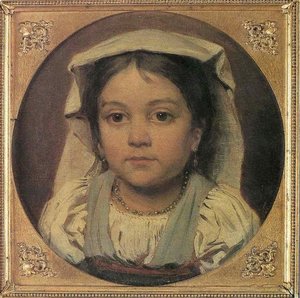
Uroš Predić
1857 - 1953 , Serbia
작가 정보 요약
- Artistic Movement Or Style: Realism painting
- Artists Or Movements Influenced By This Artist: ['Romanticism']
- Artists Who Influenced This Artist: ['Academician Nikola Stefanović']
- Date Of Birth: 1857
- Date Of Death: 1953
- Full Name: uroš predić
- Nationality: Serbian
- Notable Artworks:
- The Wounded Montenegrin
- Decorating of the Bride
- The Takovo Uprising
- Place Of Birth: Paracin, Serbia
관련 기사

The Evocative Embrace of Reality: Exploring Romantic Realism in 19th-Century Painting
Explore the captivating world of Romantic Realism! Discover key artists like Courbet & Millet, masterpieces, and the social context behind this influential art movement. Expert insights for collectors at OriginalUniqueArt.
Realism in Art: A Professional Guide to Authentic Detail and Lifelike Masterpieces for Large-Scale Interior Projects
Master the use of Realism in professional interiors. This expert guide explores 19th-century masterpieces, offering procurement managers and designers technical insights into selecting authentic, hand-painted oil reproductions for high-end hotel and corporate projects.
Echoes of Society: Exploring Social Realism's Enduring Legacy in Art
Explore the powerful world of Social Realism art! Discover key artists, masterpieces & its profound social commentary. Expert insights into this influential movement's history and enduring legacy.

The Poetic Truth of Observation: Exploring 19th-Century Realism in Painting
Explore the captivating world of 19th-century Realism! Discover key artists like Courbet & Millet, masterpieces, and the powerful social commentary behind this influential art movement. Expert insights at OriginalUniqueArt.

Romantic Realism's Finest: 10 Masterpieces for Your Home | OriginalUniqueArt
Explore 10 defining masterpieces of Romantic Realism! Discover Courbet, Millet & Daumier's powerful paintings—capturing emotion and social realities. Find museum-quality reproductions for your home at OriginalUniqueArt.com.