

 실제 크기로 보기
 보내기
보내기 공유하기
공유하기
 상세 보기
상세 보기 가이드 보기

 이미지 다운로드
 유사 작품 더 보기
 X-레이
X-레이 슬라이드 쇼 보기
 통계 정보
통계 정보Figure


 상세 보기
상세 보기
지클레 / 아트 프린트
빠른 제작과 다양한 마감 옵션을 선택할 수 있는 박물관 수준의 지클레이 및 캔버스 프린트. ( 수작업 채색 복제본 주문하기 디지털 이미지 판매 채널로 전환)




P118B ₩10

P118H ₩10

P118W ₩10

P438Z ₩10

P508JH ₩12

P508YH ₩12

P805H ₩10

P805Z ₩10

P919BZ ₩10

P919G ₩10

P919XJ ₩10

P959ZH ₩10

P968JZ ₩12

W106C ₩8

W218G ₩10

W218JH ₩8

W218Y ₩10

W307PJ ₩10

W316G ₩10

W316PJ ₩8

W316Y ₩10

W398PJ ₩8

W4111J ₩10

W500HY ₩15

W500JH ₩15

W692G ₩12

W849H ₩8

W940BG ₩15

W953PJ ₩8




작품의 원본 비율을 그대로 유지하는 프리셋 사이즈 중에서 선택해 보세요.

액자나 벽면 크기에 맞춰 필요한 가로와 세로 길이를 입력해 주세요. 프린트는 원본 이미지보다 크게 제작할 수 없으며 오직 자르는 것만 가능하므로, 비율이 다른 사이즈를 선택할 경우 이미지의 일부가 잘려 나갈 수 있습니다. 인쇄 작업에 들어가기 전, 최종 확인을 위해 디지털 목업을 보내드립니다. 이 페이지에 표시된 이미지는 실제 잘리는 영역을 나타내지 않으며, 오직 목업을 통해서만 정확한 확인이 가능합니다.


 유리 옵션은 110cm 미만 크기에서만 선택 가능합니다.

Figure
지클레 / 아트 프린트
복제본 규격
-


총 결제 금액
₩ 109181
A Symphony of Motion: Unveiling Umberto Boccioni’s “Figure”
Umberto Boccioni's "Figure," painted in 1912, isn’t merely a depiction of a human form; it’s an embodiment of the Futurist ethos—a fervent celebration of dynamism, speed, and the fractured beauty of modern life. This artwork, rendered against a striking blue backdrop, immediately commands attention with its bold lines, fragmented composition, and palpable sense of movement. It's a window into the revolutionary artistic spirit that defined early 20th-century Italy, offering a glimpse into the mind of one of its most influential figures.
Boccioni’s approach to painting during this period was radically different from the established traditions of academic art. He rejected static representation in favor of capturing the fleeting essence of experience—the sensation of movement and change. “Figure” exemplifies this perfectly, utilizing a technique that anticipates elements of Cubism while firmly rooted within the tenets of Futurism. The figure itself is not presented as a solid, unified entity but rather as a collection of intersecting planes and angles, suggesting an ongoing process of becoming. This deliberate deconstruction mirrors the Futurist fascination with industrialization and the breakdown of traditional forms in the face of technological advancement.
The Language of Futurism
To truly understand “Figure,” one must appreciate the context of its creation – the explosive rise of Futurism. Spearheaded by Filippo Tommaso Marinetti in 1909, this movement rejected the past as a source of stagnation and embraced the future with unbridled enthusiasm. Futurist artists sought to capture the energy of machines, the speed of automobiles, and the dynamism of urban life. They celebrated violence, war, and all that was new and exciting. Boccioni, deeply involved in the movement, translated these ideals onto canvas, employing techniques designed to convey a sense of velocity and instability.
The use of color is particularly significant. The dominant blue serves not as a neutral background but rather as an active element, contributing to the overall feeling of motion. It’s a cool, almost vibrating hue that seems to push forward, drawing the viewer's eye into the fragmented form of the figure. Notice how the lines themselves are not smooth or continuous; they are broken and angular, mimicking the sharp edges of machinery and the fractured perspectives of modern urban landscapes. This deliberate disruption of traditional perspective was a key element of Futurist aesthetics – a rejection of illusionism in favor of conveying an immediate, visceral experience.
Symbolic Resonance and Emotional Impact
While “Figure” resists easy interpretation, it’s clear that the artist is exploring themes of transformation and dynamism. The elongated tail, reminiscent of a fish or perhaps a bird in flight, suggests movement, fluidity, and an escape from earthly constraints. It could be interpreted as representing the individual's journey through the complexities of modern life—a constant state of flux and change. The figure’s posture is ambiguous; it appears to be caught in a moment of transition, neither fully grounded nor entirely airborne.
Despite its fragmented composition, “Figure” evokes a powerful emotional response. It's not simply a depiction of an object or person but rather a representation of the *feeling* of movement—the exhilaration and disorientation that accompany rapid change. The artwork’s bold lines and vibrant colors create a sense of urgency and excitement, inviting the viewer to participate in this dynamic visual experience. It’s a testament to Boccioni's ability to capture the spirit of his time – a period of unprecedented technological advancement and social upheaval.
A Legacy of Innovation
Umberto Boccioni’s “Figure” stands as a pivotal work in the history of modern art. Its innovative use of line, color, and composition paved the way for subsequent movements such as Cubism and Constructivism. Reproductions of this artwork offer a unique opportunity to experience the energy and dynamism of Futurist aesthetics firsthand. OriginalUniqueArt’s hand-painted reproductions faithfully capture the original's intensity and detail, allowing you to bring this revolutionary masterpiece into your home or office – a vibrant reminder of a time when artists dared to challenge convention and embrace the future.
질의응답
"Figure"은(는) 저작권 보호 대상이 아닌가요?
움베르토 보치오니의 "Figure"의 저작권 정보: 해당 작품은 퍼블릭 도메인 - 저작권 보호 기간이 만료되었습니다 상태입니다. 이는 이미지 복제 가능 여부를 결정하는 기준이 됩니다.
움베르토 보치오니의 "Figure"의 수작업 복제화를 어디에서 구매할 수 있나요?
"Figure" 작품은 리넨 캔버스 위에 손으로 직접 그린 유화 복제화로 만나보실 수 있습니다. 주문은 수작업 유화 복제화 페이지에서 가능하며, 다양한 사이즈를 선택하실 수 있습니다.
1912년에 제작된 "Figure"은(는) 움베르토 보치오니의 커리어 중 어느 시기에 해당하나요?
1912년에 제작된 "Figure"은(는) 움베르토 보치오니의 예술 활동기 중 Early Futurism에 속합니다.
작가 소개
움베르토 보치오니: 속도와 역동성의 선구자
움베르토 보치오니는 1882년 이탈리아 레조 칼라브리아에서 태어나 1916년 베로나에서 젊은 나이에 세상을 떠났지만, 그의 삶과 예술은 미래주의 운동의 핵심으로 자리 잡으며 현대 미술에 지대한 영향을 미쳤습니다. 보치오니는 끊임없이 변화하는 도시 풍경과 기계 문명의 역동성을 포착하고자 했던 열정적인 예술가였습니다. 어린 시절 아버지의 직장 때문에 여러 지역을 옮겨 다니며 다양한 풍경을 접한 그는, 로마에서 미술 공부를 시작하며 자유주의 양식의 광고 화가들에게 영향을 받았지만, 필리포 토마소 마리네티의 미래주의 선언문을 읽고 예술적 방향을 완전히 바꾸게 됩니다.미래주의와의 만남: 혁신의 탄생
1910년, 보치오니는 미술가들의 미래주의 선언에 서명하며 미래주의 운동에 적극적으로 참여했습니다. 이는 단순한 미적 선택이 아닌, 전통의 굴레를 벗고 속도, 기술, 그리고 변화하는 현대 사회의 에너지를 기념하는 철학적인 반항이었습니다. 그는 마리네티의 초기 선언을 발전시켜 시각 예술에 적용하며, 단순히 사물의 모습을 재현하는 것이 아니라 움직임과 감각, 도시 생활의 압도적인 에너지를 전달하는 그림을 추구했습니다. 그의 초기 작품들은 인상주의와 분할주의의 영향을 받기도 했지만, 점차 역동성을 표현하려는 시도가 뚜렷하게 나타나기 시작합니다. 대표작 도시의 상승(1910-1911)은 거대한 규모로 현대 도시 건설의 혼란스러운 모습을 담아내며 미래주의의 이상을 구현합니다. 인간, 건물, 기계가 뒤섞인 소용돌이치는 듯한 모습은 끊임없이 변화하는 도시의 역동성을 시각적으로 표현하고 있습니다.현실의 해체: 기법과 주제
보치오니의 예술적 발전은 형태에 대한 점점 더 급진적인 접근 방식을 특징으로 합니다. 그는 전통적인 원근법과 구도에서 벗어나 파편화라는 요소를 통해 움직임과 에너지를 표현하고자 했습니다. 사물들은 구성 요소로 분해되고, 힘의 선들이 바깥쪽으로 뻗어 나가며, 색채는 소용돌이치는 패턴으로 혼합되어 시각적인 진동감을 만들어냅니다. 이러한 해체는 단순한 스타일적 특징이 아니라, 현실 자체가 유동적이고 끊임없이 변화한다는 그의 신념에 근거합니다. 그는 사물의 정적인 모습이 아닌, 그 역동적인 본질을 표현하고자 했습니다. 인체의 역학(1913)은 인간의 몸을 견고한 형태로 묘사하는 대신, 움직임을 암시하는 일련의 파편화된 모양으로 표현하며 이러한 점을 강력하게 보여줍니다. 아마도 그의 가장 상징적인 작품인 공간 속 연속성의 독특한 형태(1913)는 회화를 넘어섭니다. 이는 미래주의 이상을 놀라운 힘으로 구현하는 청동 조각상입니다. 팔다리와 몸통이 길어지고 왜곡되어 멈출 수 없는 운동량감을 전달합니다.유산과 지속적인 영향
1916년 제1차 세계 대전 중 비극적으로 사망한 보치오니는 예술계에 진정으로 선구적인 재능을 잃게 했습니다. 그러나 그의 생각과 작품은 그가 세상을 떠난 후에도 오랫동안 울려 퍼졌습니다. 그는 후속 미래주의 화가뿐만 아니라 구성주의와 추상 표현주의에도 깊은 영향을 미쳤습니다. 움직임, 역동성, 그리고 현대 생활의 표현에 대한 그의 탐구는 새로운 형태의 예술적 표현을 위한 길을 열고 아름다움과 표현에 대한 전통적인 개념에 도전했습니다.- 영향: Giacomo Balla의 분할주의 기법, 입체의 형태 파편화, 니체 철학
- 대표 작품: 인체의 역학, 공간 속 연속성의 독특한 형태, 도시의 상승, 자전거 타는 사람의 역학.
- 역사적 의의: 20세기 미술의 중요한 인물인 보치오니는 예술적 관습에 도전하고 현대 미술의 방향을 형성하는 데 도움을 주었습니다. 그의 역동성과 움직임 표현에 대한 이론은 오늘날에도 여전히 예술가들에게 영감을 주고 있습니다.
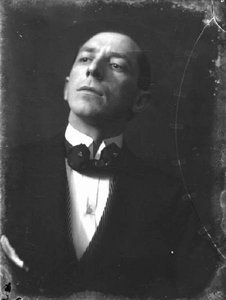
움베르토 보치오니
1882 - 1916 , 이탈리아
작가 정보 요약
- 국적: 이탈리아인
- 사망일: 1916년 8월 17일
- 영향을 받은 예술가/운동:
- 구성주의
- 추상 표현주의
- 영향을 준 예술가:
- 자코모 발라
- 전분론주의
- 입체파
- 예술 운동/스타일: 미래주의
- 전체 이름: 움베르토 보치오니
- 주요 작품:
- 인체의 역동성
- 공간 속 연속성의 독특한 형태
- 도시의 붕괴
- 자전거 타는 사람의 역동성
- 출생일: 1882년 10월 19일
- 출생지: 레조 칼라브리아, 이탈리아
관련 기사

Serene Blue Backgrounds: Discover Soulful Art to Transform Your Space with Timeless Elegance
Transform your home with soulful blue art. From serene Monet impressions to modern textured sculptures, discover curated masterpieces designed to inspire calm. Explore expert art consultations and bespoke hand-painted reproductions to create your personal sanctuary.
The Allure of Azure: Exploring the Symbolic & Aesthetic Depths of Blue in Art History
Explore the rich history of blue in art! Discover its symbolism, from ancient pigments to modern masterpieces by Kandinsky & Seurat. Uncover the psychological impact and cultural meanings behind this captivating hue.

Umberto Boccioni: Dynamism, Futurist Ideals & the Evolution of Modern Sculpture
Explore the revolutionary art of Umberto Boccioni, a leading figure of Futurism. Discover his iconic sculptures & paintings, and delve into the movement's impact on modern art history with OriginalUniqueArt.

Speed, Power, and Motion: A Journey Through the Energetic Soul of Futurism
Explore the exhilarating energy of Futurism. From Italian dynamism to Russian Cubo-Futurism, journey through a masterclass in speed, power, and motion in art history with our expert cultural reflections.

Slate Blue Masterpieces: 10 Iconic Paintings & Timeless Home Decor Ideas
Immerse yourself in the captivating world of slate blue! Explore 10 iconic paintings by Monet, Van Gogh & Renoir. Discover their stories, techniques & find museum-quality art reproductions for your home at .


