

 실제 크기로 보기
 보내기
보내기 공유하기
공유하기
 상세 보기
상세 보기 가이드 보기

 이미지 다운로드
 유사 작품 더 보기
 X-레이
X-레이 슬라이드 쇼 보기
 통계 정보
통계 정보Ferruccio Busoni


 상세 보기
상세 보기
핸드메이드 유화 복제화
작가가 직접 캔버스에 손으로 그린 유화 작품으로, 원하는 크기와 액자로 맞춤 제작해 드립니다. ( 프린트 판매로 전환 디지털 이미지 판매 채널로 전환)




P118B ₩10

P118H ₩10

P118W ₩10

P438Z ₩10

P508JH ₩12

P508YH ₩12

P805H ₩10

P805Z ₩10

P919BZ ₩10

P919G ₩10

P919XJ ₩10

P959ZH ₩10

P968JZ ₩12

W106C ₩8

W218G ₩10

W218JH ₩8

W218Y ₩10

W307PJ ₩10

W316G ₩10

W316PJ ₩8

W316Y ₩10

W398PJ ₩8

W4111J ₩10

W500HY ₩15

W500JH ₩15

W692G ₩12

W849H ₩8

W940BG ₩15

W953PJ ₩8




작품의 원본 비율을 그대로 유지하는 프리셋 사이즈 중에서 선택해 보세요.

액자나 벽면 크기에 맞춰 필요한 가로와 세로 길이를 입력해 주세요. 본 작품은 수작업으로 제작되므로, 요청하신 비율에 따라 작가가 그림의 가장자리를 조금 더 넓게 그리거나 일부를 조정하여 작업할 수 있습니다. 작업 시작 전, 최종 확인을 위해 디지털 목업 이미지를 보내드립니다. 이 페이지에 표시된 이미지는 실제 결과물과 다를 수 있으며, 오직 목업 이미지만이 정확한 결과물을 보여줍니다.
주문 완료 후 OriginalUniqueArt.com 팀에서 상세 안내를 위해 고객님께 이메일을 보내드리며, 미리보기 시안을 함께 제공해 드립니다.


 유리 옵션은 110cm 미만 크기에서만 선택 가능합니다.

Ferruccio Busoni
재현 매체
복제본 규격
-


총 결제 금액
₩ 409430
A Window into Modernity: Decoding Boccioni’s “Portrait of Ferruccio Busoni”
Umberto Boccioni's 1916 portrait of the celebrated composer Ferruccio Busoni is more than a likeness captured on canvas; it’s a vibrant distillation of an era, a testament to artistic kinship, and a poignant reflection on the cusp of change. Painted in the final months of Boccioni’s tragically short life, the work embodies the core tenets of Futurism while simultaneously reaching beyond its boundaries, hinting at a deeper exploration of form and emotion. The scene unfolds outdoors, immersing Busoni within a lush environment that feels both grounding and dynamic. He is seated, partially obscured by a hat, creating an intriguing sense of mystery – not hiding, but rather inviting contemplation on the intellectual energy radiating from within.
The Energetic Brushstroke: Technique and Futurist Principles
Boccioni’s masterful technique is immediately apparent in the vigorous impasto—the thick application of oil paint that lends a tactile quality to the surface. This isn't merely about depicting texture; it’s about conveying energy, mirroring the dynamism Busoni himself embodied as a composer constantly pushing boundaries. The brushstrokes aren’t blended or smoothed but remain visible, swirling and flowing like currents of thought. Lines are predominantly organic, echoing the natural forms surrounding Busoni, yet they possess an underlying sense of controlled chaos characteristic of Futurist principles. Boccioni wasn't interested in strict realism; he sought to capture not just *what* Busoni looked like but the very essence of his presence and the intellectual atmosphere that enveloped him. The layering of colors builds depth while deliberately flattening perspective, prioritizing emotional impact over photographic accuracy. This approach allows the painting to vibrate with life, a visual equivalent of Busoni’s complex musical compositions.
A Moment Suspended: Historical Context and Artistic Dialogue
The year 1916 was a pivotal one, shadowed by the immense upheaval of World War I. Italy found itself embroiled in conflict, and even the celebratory fervor that initially defined Futurism began to grapple with the harsh realities of war. This portrait emerges from this tumultuous context as a quiet moment of contemplation amidst chaos. It’s a tribute not just to Busoni as an artist but also to the power of intellectual connection during times of uncertainty. Boccioni and Busoni shared a mutual respect, both innovators in their respective fields who challenged conventional norms. The painting can be seen as a visual dialogue between two forward-thinking minds, a recognition of kindred spirits navigating a rapidly changing world. The warm hues dominating Busoni’s clothing – oranges, reds, and yellows – contrast beautifully with the cooler blues and greens of the foliage, drawing the eye and creating a harmonious tension that reflects this artistic exchange.
Beyond Representation: Emotional Resonance and Interior Appeal
“Portrait of Ferruccio Busoni” transcends mere representation; it’s an evocation of mood and atmosphere. The swirling brushstrokes, vibrant colors, and dynamic composition create a sense of movement and energy that draws the viewer in. The partially obscured face invites projection, fostering a personal connection with the artwork. It's a painting that doesn't simply *show* you Busoni; it allows you to *feel* his presence. For collectors and interior designers, this piece offers a striking focal point for modern or eclectic spaces. Its Italian avant-garde sophistication adds depth and character to any room, particularly living rooms, studies, or music rooms where its energy and intellectual weight can be fully appreciated. It’s an investment not just in a beautiful object but in a powerful statement about artistic vision and the enduring legacy of Futurism.
질의응답
움베르토 보치오니의 "Ferruccio Busoni" 작품의 경우 어떤 복제본 크기를 추천하시나요?
"Ferruccio Busoni" 작품은 Large 인쇄 크기를 권장합니다. 동일한 비율의 다른 사이즈로도 제작 가능합니다.
"Ferruccio Busoni"이(가) 제작되었을 당시 움베르토 보치오니의 나이는 어떻게 되었나요?
1916년에 "Ferruccio Busoni"이(가) 제작되었을 당시, 1882년에 태어난 움베르토 보치오니의 나이는 34세였습니다.
움베르토 보치오니의 "Ferruccio Busoni"에 대한 가이드가 있나요?
움베르토 보치오니의 "Ferruccio Busoni"에 대한 가이드 페이지를 이용하실 수 있습니다. 이 페이지는 학생들과 수업용으로 제작된, 인쇄 가능한 작품 정보 시트를 제공합니다.
작가 소개
움베르토 보치오니: 속도와 역동성의 선구자
움베르토 보치오니는 1882년 이탈리아 레조 칼라브리아에서 태어나 1916년 베로나에서 젊은 나이에 세상을 떠났지만, 그의 삶과 예술은 미래주의 운동의 핵심으로 자리 잡으며 현대 미술에 지대한 영향을 미쳤습니다. 보치오니는 끊임없이 변화하는 도시 풍경과 기계 문명의 역동성을 포착하고자 했던 열정적인 예술가였습니다. 어린 시절 아버지의 직장 때문에 여러 지역을 옮겨 다니며 다양한 풍경을 접한 그는, 로마에서 미술 공부를 시작하며 자유주의 양식의 광고 화가들에게 영향을 받았지만, 필리포 토마소 마리네티의 미래주의 선언문을 읽고 예술적 방향을 완전히 바꾸게 됩니다.미래주의와의 만남: 혁신의 탄생
1910년, 보치오니는 미술가들의 미래주의 선언에 서명하며 미래주의 운동에 적극적으로 참여했습니다. 이는 단순한 미적 선택이 아닌, 전통의 굴레를 벗고 속도, 기술, 그리고 변화하는 현대 사회의 에너지를 기념하는 철학적인 반항이었습니다. 그는 마리네티의 초기 선언을 발전시켜 시각 예술에 적용하며, 단순히 사물의 모습을 재현하는 것이 아니라 움직임과 감각, 도시 생활의 압도적인 에너지를 전달하는 그림을 추구했습니다. 그의 초기 작품들은 인상주의와 분할주의의 영향을 받기도 했지만, 점차 역동성을 표현하려는 시도가 뚜렷하게 나타나기 시작합니다. 대표작 도시의 상승(1910-1911)은 거대한 규모로 현대 도시 건설의 혼란스러운 모습을 담아내며 미래주의의 이상을 구현합니다. 인간, 건물, 기계가 뒤섞인 소용돌이치는 듯한 모습은 끊임없이 변화하는 도시의 역동성을 시각적으로 표현하고 있습니다.현실의 해체: 기법과 주제
보치오니의 예술적 발전은 형태에 대한 점점 더 급진적인 접근 방식을 특징으로 합니다. 그는 전통적인 원근법과 구도에서 벗어나 파편화라는 요소를 통해 움직임과 에너지를 표현하고자 했습니다. 사물들은 구성 요소로 분해되고, 힘의 선들이 바깥쪽으로 뻗어 나가며, 색채는 소용돌이치는 패턴으로 혼합되어 시각적인 진동감을 만들어냅니다. 이러한 해체는 단순한 스타일적 특징이 아니라, 현실 자체가 유동적이고 끊임없이 변화한다는 그의 신념에 근거합니다. 그는 사물의 정적인 모습이 아닌, 그 역동적인 본질을 표현하고자 했습니다. 인체의 역학(1913)은 인간의 몸을 견고한 형태로 묘사하는 대신, 움직임을 암시하는 일련의 파편화된 모양으로 표현하며 이러한 점을 강력하게 보여줍니다. 아마도 그의 가장 상징적인 작품인 공간 속 연속성의 독특한 형태(1913)는 회화를 넘어섭니다. 이는 미래주의 이상을 놀라운 힘으로 구현하는 청동 조각상입니다. 팔다리와 몸통이 길어지고 왜곡되어 멈출 수 없는 운동량감을 전달합니다.유산과 지속적인 영향
1916년 제1차 세계 대전 중 비극적으로 사망한 보치오니는 예술계에 진정으로 선구적인 재능을 잃게 했습니다. 그러나 그의 생각과 작품은 그가 세상을 떠난 후에도 오랫동안 울려 퍼졌습니다. 그는 후속 미래주의 화가뿐만 아니라 구성주의와 추상 표현주의에도 깊은 영향을 미쳤습니다. 움직임, 역동성, 그리고 현대 생활의 표현에 대한 그의 탐구는 새로운 형태의 예술적 표현을 위한 길을 열고 아름다움과 표현에 대한 전통적인 개념에 도전했습니다.- 영향: Giacomo Balla의 분할주의 기법, 입체의 형태 파편화, 니체 철학
- 대표 작품: 인체의 역학, 공간 속 연속성의 독특한 형태, 도시의 상승, 자전거 타는 사람의 역학.
- 역사적 의의: 20세기 미술의 중요한 인물인 보치오니는 예술적 관습에 도전하고 현대 미술의 방향을 형성하는 데 도움을 주었습니다. 그의 역동성과 움직임 표현에 대한 이론은 오늘날에도 여전히 예술가들에게 영감을 주고 있습니다.
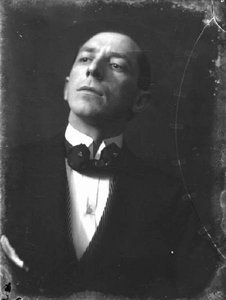
움베르토 보치오니
1882 - 1916 , 이탈리아
작가 정보 요약
- 국적: 이탈리아인
- 사망일: 1916년 8월 17일
- 영향을 받은 예술가/운동:
- 구성주의
- 추상 표현주의
- 영향을 준 예술가:
- 자코모 발라
- 전분론주의
- 입체파
- 예술 운동/스타일: 미래주의
- 전체 이름: 움베르토 보치오니
- 주요 작품:
- 인체의 역동성
- 공간 속 연속성의 독특한 형태
- 도시의 붕괴
- 자전거 타는 사람의 역동성
- 출생일: 1882년 10월 19일
- 출생지: 레조 칼라브리아, 이탈리아
관련 기사

Oil on Canvas: A Historical & Technical Exploration of a Timeless Artistic Medium
Explore the rich history & enduring techniques of oil painting on canvas. Discover the science behind its longevity, conservation practices, and contemporary relevance. Expert insights for art enthusiasts.
Umberto Boccioni: Dynamism, Futurist Ideals & the Evolution of Modern Sculpture
Explore the revolutionary art of Umberto Boccioni, a leading figure of Futurism. Discover his iconic sculptures & paintings, and delve into the movement's impact on modern art history with OriginalUniqueArt.

캔버스의 유산: 기법, 역사 그리고 현대적 실천
유화의 역사와 기법부터 현대적 실천까지, 캔버스의 모든 것을 심도 있게 다룹니다. 주요 화가들의 작품 분석과 유화 제작 과정을 상세히 안내하며, 아트 컬렉션을 위한 최고의 정보를 제공합니다.

The Enduring Legacy of Oil on Canvas: Technique, History & Aesthetic Impact
Explore the rich history & techniques of oil painting – from Renaissance masters to Impressionism. Discover pigments, layering methods, and why this timeless medium endures. Expert insights for artists & art enthusiasts.
Speed, Power, and Motion: A Journey Through the Energetic Soul of Futurism
Explore the exhilarating energy of Futurism. From Italian dynamism to Russian Cubo-Futurism, journey through a masterclass in speed, power, and motion in art history with our expert cultural reflections.


