

 실제 크기로 보기
 보내기
보내기 공유하기
공유하기
 상세 보기
상세 보기 가이드 보기

 이미지 다운로드
 유사 작품 더 보기
 X-레이
X-레이 슬라이드 쇼 보기
 통계 정보
통계 정보The Artist's Mother
 Romanticism
 58.0 x 46.0 cm
 상세 보기
상세 보기
핸드메이드 유화 복제화
작가가 직접 캔버스에 손으로 그린 유화 작품으로, 원하는 크기와 액자로 맞춤 제작해 드립니다. ( 프린트 판매로 전환 디지털 이미지 판매 채널로 전환)




































작품의 원본 비율을 그대로 유지하는 프리셋 사이즈 중에서 선택해 보세요.

특정 프레임이나 공간에 맞춰 원하는 크기를 직접 입력하실 수 있습니다. 선택하신 크기가 원본 이미지의 비율과 일치하지 않을 경우, 작품을 자르거나 추가적인 수작업 요소를 더해 그림을 확장하여 제작합니다. 제작 시작 전, 최종 확인을 위해 디지털 목업을 보내드립니다.
화면상의 미리 보기는 실제 크롭(자르기)이나 확장된 상태를 완벽히 반영하지 않을 수 있습니다. 최종 구도는 오직 목업을 통해서만 정확하게 확인하실 수 있습니다.
맞춤 크기 제작도 가능하지만, 원본의 비율을 그대로 유지하기 위해서는 미리 정의된 목록에서 크기를 선택하시는 것을 권장합니다.
주문 완료 후 OriginalUniqueArt.com 팀에서 상세 안내를 위해 고객님께 이메일을 보내드리며, 미리보기 시안을 함께 제공해 드립니다.


 유리 옵션은 110cm 미만 크기에서만 선택 가능합니다.

The Artist's Mother
재현 매체
복제본 규격
-


총 결제 금액
$ 300
작가 소개
Thomas Robson: A Quiet Master of English Landscape
Thomas Robson (1798-1871) remains a quietly significant figure in the history of British watercolor painting, often overshadowed by more flamboyant contemporaries but possessing a unique and deeply resonant style. Born in Hull, his early life offered little indication of the artistic path he would ultimately pursue. Robson’s career unfolded largely outside the bustling centers of London’s art world, primarily working in the Midlands and North Wales, yet his serene landscapes and subtly observed genre scenes have garnered increasing recognition for their understated beauty and remarkable technical skill.
Robson's artistic journey began with a formal apprenticeship under the renowned watercolorist, John Brett, at the Plymouth School of Art. This formative period instilled in him a deep appreciation for the principles of tonal harmony, atmospheric perspective, and the delicate handling of color – elements that would become hallmarks of his distinctive style. Brett’s influence is readily apparent in Robson's early works, particularly his depictions of coastal scenes and rural landscapes, characterized by their soft, diffused light and meticulous attention to detail. However, Robson quickly developed a more personal approach, moving away from Brett’s sometimes overtly dramatic compositions towards a greater emphasis on capturing the quiet dignity and inherent beauty of the natural world.
A key influence on Robson's artistic development was his exposure to the works of Jean-Baptiste Millet, the celebrated French landscape painter. Robson deeply admired Millet’s ability to portray rural life with honesty and empathy, focusing not on grand narratives but on the everyday experiences of ordinary people within a natural setting. This admiration is reflected in several of Robson's genre scenes, which often depict humble laborers engaged in their daily tasks – ploughing fields, tending livestock, or gathering wood – rendered with remarkable sensitivity and psychological insight. These paintings offer a poignant glimpse into the lives of rural communities, capturing both their hardships and their enduring spirit.
Robson’s technical prowess was considerable, honed through years of dedicated practice. He possessed an exceptional ability to render textures with astonishing accuracy, from the rough bark of ancient trees to the damp earth beneath a farmer's feet. His use of color was equally masterful – he favored muted tones and subtle gradations, creating paintings that exude a sense of tranquility and timelessness. His compositions are typically balanced and harmonious, avoiding any hint of clutter or unnecessary detail. Robson’s landscapes are not merely representations of scenery; they are carefully constructed narratives that invite the viewer to contemplate the beauty and serenity of the natural world.
While Robson's work was largely appreciated during his lifetime, it wasn't until the 20th century that he began to receive wider recognition. His paintings were increasingly included in major exhibitions at museums such as Cherbourg and Évreux, demonstrating a growing appreciation for his unique artistic vision. Today, Robson’s landscapes are treasured for their quiet beauty, technical skill, and profound sense of place. His work offers a valuable counterpoint to the more overtly dramatic styles that dominated much of 19th-century landscape painting, reminding us of the enduring power of simplicity and restraint in art.
Key Works:
- The Artist’s Mother (1836) – A poignant oil portrait capturing the dignity and wisdom of an elderly woman.
- Lavinia, the Milk Girl (copy after Thomas Gainsborough) (circa 1840) – A sensitive depiction of a young girl tending to her cows, showcasing Robson’s ability to capture human emotion within a rural setting.
- Various landscapes depicting scenes from North Wales and the Midlands, characterized by their atmospheric perspective and meticulous detail.
Museum Holdings:
- St Thomas' Hospital (London) – Holds several examples of Robson’s work, offering a valuable opportunity to study his artistic development.
- St Thomas (France, Strasbourg) – Features paintings reflecting the artist’s interest in rural life and landscapes.
Further Research:
- Robson & Jerome: While seemingly unrelated, this pop duo highlights a surprising intersection of artistic talent and popular culture within Robson's region.
- Thomas Robson (footballer, born 1995): Demonstrates the artist’s name has been used for other notable figures in sports history.
Robson’s Artistic Legacy
Beyond his individual achievements, Thomas Robson's contribution to British watercolor lies in his quiet insistence on a particular approach – one rooted in observation, restraint, and a deep respect for the natural world. He wasn't seeking to create grand statements or revolutionary compositions; instead, he aimed to capture the essence of everyday life and the beauty of the landscape with remarkable subtlety and grace.
Robson’s influence can be seen in the work of later watercolorists who followed in his footsteps, particularly those associated with the Worcestershire School. His emphasis on tonal harmony, atmospheric perspective, and meticulous detail helped to establish a distinct regional style that continues to resonate today. Furthermore, Robson's sensitive portrayal of rural life offered a valuable counterpoint to the often idealized depictions of agriculture prevalent in art at the time.
Despite his relatively modest profile, Thomas Robson deserves recognition as one of the most accomplished and quietly influential watercolorists of 19th-century Britain. His paintings offer a timeless reminder of the beauty and serenity that can be found in the simplest of landscapes and the most humble of lives.

thomas robson
1798 - 1871
작가 정보 요약
- Artistic Movement Or Style: Watercolorist
- Artists Or Movements Influenced By This Artist: ['None listed']
- Artists Who Influenced This Artist: ['Millet']
- Date Of Birth: 1798
- Date Of Death: 1871
- Full Name: Thomas Robson
- Nationality: British
- Notable Artworks:
- The Artist's Mother
- Lavinia, the Milk Girl
- Place Of Birth: Hull, England
관련 기사

Oil on Canvas: A Historical & Technical Exploration of a Timeless Artistic Medium
Explore the rich history & enduring techniques of oil painting on canvas. Discover the science behind its longevity, conservation practices, and contemporary relevance. Expert insights for art enthusiasts.

캔버스의 유산: 기법, 역사 그리고 현대적 실천
유화의 역사와 기법부터 현대적 실천까지, 캔버스의 모든 것을 심도 있게 다룹니다. 주요 화가들의 작품 분석과 유화 제작 과정을 상세히 안내하며, 아트 컬렉션을 위한 최고의 정보를 제공합니다.

The Enduring Legacy of Oil on Canvas: Technique, History & Aesthetic Impact
Explore the rich history & techniques of oil painting – from Renaissance masters to Impressionism. Discover pigments, layering methods, and why this timeless medium endures. Expert insights for artists & art enthusiasts.
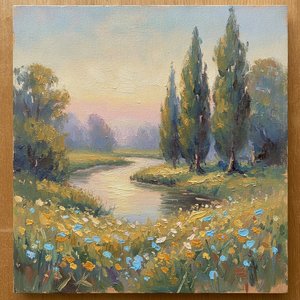
The Timeless Charm of Oil on Board: Reimagining Texture and Light through the Impressionist Lens
Discover the profound intimacy of oil on panel. Explore how Impressionist masters used rigid supports to capture light, texture, and impasto depth through exquisite, handmade oil reproductions for discerning collectors.

The Enduring Power of Painting: A Historical & Contemporary Exploration of Form and Emotion
Explore the rich history & enduring techniques of oil painting with OriginalUniqueArt. Discover masterpieces, learn about art collecting, and find authentic handmade reproductions crafted by skilled artists.