프린트 판매로 전환
 상세 보기
상세 보기







































 가로 또는 세로 중 어느 한 면이라도 105cm(약 41인치)를 초과하는 작품이나 복제화의 경우, 프레임은 분해된 키트 형태로 배송됩니다. 이는 안전한 배송을 보장하고 운송 중 발생할 수 있는 손상을 방지하기 위함입니다.


A Suffolk Visionary: Exploring Thomas Gainsborough’s “Mr Prowse”
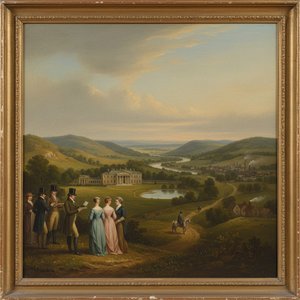
Thomas Gainsborough’s “Mr Prowse,” completed in 1760, stands as a cornerstone of British landscape painting and a testament to the artist's remarkable ability to capture both visual beauty and psychological nuance. More than just a portrait of Thomas Prowse, a landowner from Compton Bishops, Somerset—a man whose likeness Gainsborough meticulously recreated—the canvas embodies a broader philosophical inquiry into the relationship between humanity and nature.
- Subject Matter: The painting depicts Prowse seated in a richly furnished room, bathed in soft light emanating from a window overlooking a tranquil meadow dotted with wildflowers. This juxtaposition is deliberate; Gainsborough wasn’t merely documenting a man's surroundings but suggesting that inner peace and contentment derive from harmony with the external world.
- Style: Gainsborough’s style—characterized by its understated elegance and meticulous observation—falls squarely within the Rococo tradition, albeit tempered by a growing interest in Neo-Classical ideals. Unlike the flamboyant ornamentation of earlier Baroque canvases, “Mr Prowse” prioritizes clarity of form and tonal gradation, creating an atmosphere of serene contemplation.
- Technique: Gainsborough employed oil paint on canvas with remarkable precision. He utilized thin glazes—layers of translucent pigment—to achieve subtle color variations and to imbue the scene with a luminous quality. The artist’s brushstrokes are delicate yet confident, conveying both textural detail and expressive emotion.
Historical Context: Painted during a period of significant social and intellectual transformation in Britain, “Mr Prowse” reflects the burgeoning Enlightenment spirit—a fascination with reason, empiricism, and the pursuit of knowledge. Gainsborough’s depiction of rural tranquility aligns with the prevailing sentiment that virtue resided not in opulent grandeur but in simplicity and moral integrity.
Symbolism: The meadow itself serves as a potent symbol of pastoral innocence and spiritual renewal. Wildflowers—often interpreted as emblems of humility and resilience—underscore the painting’s overarching message about finding solace in nature's restorative power. Furthermore, Prowse’s gaze—directed outwards toward the landscape—suggests that true fulfillment lies beyond material possessions.
Emotional Impact: “Mr Prowse” transcends mere visual representation; it evokes a profound emotional response in viewers. The painting’s tranquil atmosphere fosters feelings of calm serenity and contemplative reflection, inviting contemplation on themes of beauty, morality, and the human condition. It remains an enduring masterpiece—a timeless reminder that genuine happiness resides in embracing the natural world and cultivating inner harmony.
- Provenance: Currently housed at Gainsborough’s House in Sudbury, Ontario, Canada, “Mr Prowse” has traveled extensively throughout Europe during Gainsborough's lifetime, cementing its reputation as one of Britain’s most treasured artworks.
The painting’s enduring appeal lies not only in its aesthetic qualities but also in its ability to resonate with audiences across generations—a testament to Gainsborough’s genius and the timeless power of art to illuminate the human spirit.
질의응답
토마스 게인즈버러의 "Mr Prowse (1708–1767)"에는 어떤 색상 팔레트가 사용되었나요?
토마스 게인즈버러의 "Mr Prowse (1708–1767)"의 색채 구성은 Dark로 설명됩니다. 이는 작품에 사용된 색상들을 간결하게 묘사한 것입니다.
토마스 게인즈버러의 "Mr Prowse (1708–1767)"을(를) 어떤 용도로 활용하기에 좋을까요?
토마스 게인즈버러의 "Mr Prowse (1708–1767)"의 복제본은 Accent에 활용하시기에 좋습니다. 이는 작품의 주제와 분위기, 그리고 색감을 고려한 제안입니다.
토마스 게인즈버러의 "Mr Prowse (1708–1767)"의 제작 연도와 화풍은 무엇인가요?
"Mr Prowse (1708–1767)"은(는) 1760년에 British Romantic Landscape 사조의 작품으로 제작되었습니다. 제작 연도와 미술 사조는 미술사적 맥락에서 이 작품의 위치를 확고히 해줍니다.
More about this painting
 실제 크기로 보기
 보내기
보내기 공유하기
공유하기
 상세 보기
상세 보기 가이드 보기

 이미지 다운로드
 유사 작품 더 보기
 X-레이
X-레이 슬라이드 쇼 보기
 Q&A
Q&A 통계 정보
통계 정보