
 미리보기
미리보기
 공유하기
공유하기 공유하기
공유하기
 상세 정보
상세 정보

 다운로드
다운로드
 유사 작품
유사 작품 X-레이
X-레이 슬라이드 쇼
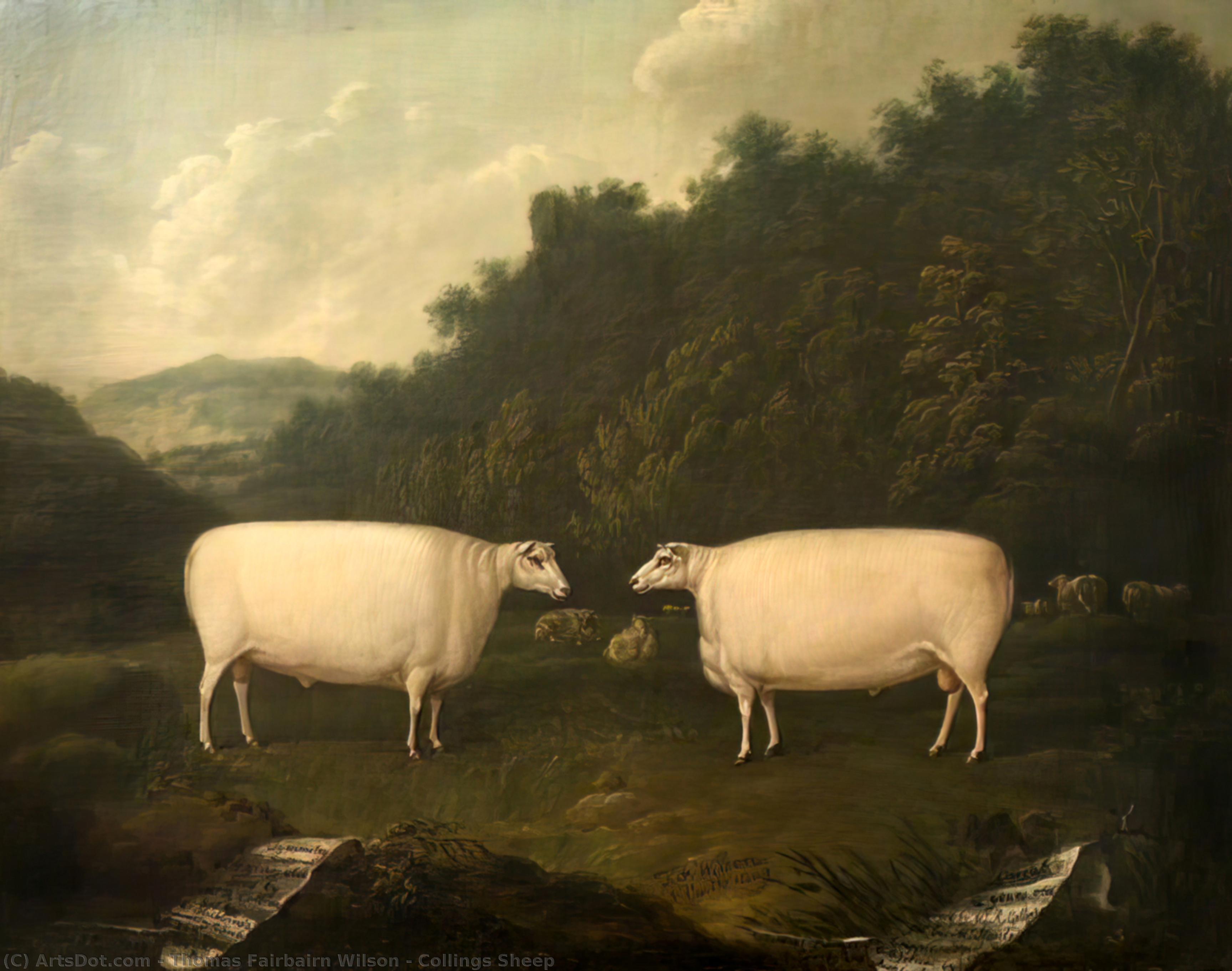
Collings Sheep
 1809
1809 54.0 x 68.0 cm
Explore the works of Thomas Fairbairn Wilson, a renowned artist known for his detailed animal portraits and landscapes. Discover his significant contributions to art.
 더 보기
더 보기
지클레 / 아트 프린트
빠른 제작과 다양한 마감 옵션을 제공하는 박물관 품질의 지클레이 또는 캔버스 프린트. ( 손으로 그린 그림 구매 이미지 구매)




































Standard
custom
CM
INCH
작품의 원본 비율을 유지하는 미리 설정된 크기 중에서 선택하세요.
Loading sizes...

가로 너비
세로 길이
특정 프레임이나 공간에 맞춰 직접 치수를 입력하실 수 있습니다. 선택하신 사이즈가 원본 이미지의 비율과 일치하지 않을 경우, 작품을 크롭(자르기)하거나 이미지를 대칭 또는 단색 채우기로 확장하여 제작합니다. 제작 시작 전, 최종 확인을 위해 디지털 목업이 전송됩니다.
화면상의 미리보기는 실제 크롭이나 확장 상태를 반영하지 않으므로, 최종 구도는 오직 목업을 통해서만 정확하게 확인하실 수 있습니다.
맞춤 사이즈 제작도 가능하지만, 원본 비율을 유지하기 위해서는 사전 정의된 목록에서 치수를 선택하시는 것을 권장합니다.


 유리 옵션은 110cm 미만 크기에서만 선택 가능합니다.

Collings Sheep
지클레 / 아트 프린트
복제본 크기
-


최종 결제 금액
$ 80
작가 약력
A Life Dedicated to Pastoral Detail: The World of Thomas Fairbairn Wilson
Thomas Fairbairn Wilson, a name perhaps less celebrated than some of his contemporaries, nevertheless occupies a significant niche in the history of 19th-century British art. Born and passing away in 1847, details surrounding his life remain somewhat elusive; however, his artistic legacy speaks volumes. He was a painter deeply committed to capturing the essence of rural England, specializing in meticulously rendered animal portraits and evocative landscapes. While biographical specifics are scarce, the body of work he left behind reveals an artist profoundly attuned to the beauty of the countryside and the creatures that inhabited it – particularly cattle. His paintings weren’t merely representations; they were celebrations of a way of life intrinsically linked to the land, executed with a skill that garnered him recognition during his time.Early Influences and Artistic Development
The artistic climate of early 19th-century England was one of transition. The Romantic movement still held sway, emphasizing emotion and the sublime power of nature, while a growing interest in realism began to take hold. Wilson’s work demonstrates a fascinating blend of these influences. His landscapes, such as “Drypool Green & St Peter’s Church” (1825), possess a romanticized tranquility, bathed in soft light and showcasing idyllic pastoral scenes. However, this isn't the dramatic, untamed wilderness favored by some Romantics; instead, it is a carefully observed depiction of rural life, grounded in tangible detail. It’s likely Wilson benefited from exposure to artists like John Constable, whose dedication to plein air painting and accurate representation of the English countryside profoundly influenced a generation. The precision with which he rendered his subjects suggests a strong foundation in observational skills, possibly honed through early training in topographical drawing or animal studies. His focus on Shorthorn cattle – a breed undergoing significant improvement during this period – indicates an engagement with agricultural advancements and the economic importance of livestock.Mastering the Animal Portrait: A Focus on Cattle
Wilson’s most enduring contribution lies in his exceptional animal portraits, particularly those featuring Shorthorn cattle. These weren't simply commissions for landowners; they were works that elevated farm animals to a level of artistic significance previously reserved for more traditional subjects like horses or sporting dogs. Paintings like “Two Shorthorn Cattle: The White Heifer Which Travelled and Red Rose” exemplify his skill. He captured not just the physical likeness of these animals, but also their individual character and presence. His technique involved meticulous attention to anatomy, texture, and light, resulting in paintings that are remarkably lifelike. The artist’s ability to convey a sense of weight, muscle tone, and even personality within his subjects is truly remarkable. He often depicted cattle in natural settings, further enhancing the realism and charm of his work. The inclusion of detailed backgrounds – fields, barns, and rural landscapes – adds context and depth to the portraits, creating a complete visual narrative.Historical Significance and Lasting Legacy
Thomas Fairbairn Wilson’s art provides valuable insight into 19th-century British society and its relationship with the land. His paintings reflect the growing importance of agriculture and livestock breeding during this period, as well as a broader appreciation for rural life. He captured a moment in time – a way of life that was rapidly changing due to industrialization and urbanization. While not achieving widespread fame on par with some of his contemporaries, Wilson’s work found a dedicated audience among landowners and agricultural enthusiasts who valued his ability to immortalize their prized animals. Today, his paintings are appreciated for their technical skill, historical significance, and evocative depiction of the English countryside. His contribution lies in elevating animal portraiture to an art form, demonstrating that beauty and artistic merit can be found in even the most humble subjects. His work continues to resonate with those who appreciate a meticulous attention to detail and a genuine love for the natural world.
주요 정보
- Artistic Movement Or Style: Animal painting, Landscape
- Date Of Death: 1847
- Full Name: Thomas Fairbairn Wilson
- Notable Artworks:
- Drypool Green & St Peter’s Church
- Collings Sheep
- Two Shorthorn Cattle

