Contemporary Realism · 1881
Mending the Net (토마스 에이킨스, 1881)
토마스 에이킨스 (1844–1916) 작가의 Mending the Net 1881년에 제작되었습니다. Contemporary Realism 운동에 속합니다. Oil On Canvas(으)로 제작되었습니다. 필라델피아, 미국에 위치한 필라델피아 미술관에 소장되어 있습니다.
- 1881
- Oil On Canvas
- 필라델피아 미술관

 미리보기

 수작업 유화 작품
 공유하기
 공유하기
 학습용 요약본


 다운로드
 유사 작품 더 보기
 X-레이
 슬라이드 쇼 보기
 질의응답

 통계 정보
Mending the Net 요약
- 제목
- Mending the Net
- 작가
- 토마스 에이킨스 (1844–1916)
- 작가 출생지
- 필라델피아, 미국
- 제작 연도
- 1881
- 매체
- Oil On Canvas
- 전시 장소
- 필라델피아 미술관, 필라델피아, 미국
- 제작 시기
- 19th Century
- 주제
- rural life, leisure, community, conversation, landscape, eakins
Mending the Net은(는) 무엇을 묘사하고 있나요?
A Quiet Symphony of Labor and Light
In the heart of the American landscape, captured through the unflinching lens of Thomas Eakins, lies a moment of profound stillness known as Mending the Net. Completed in 1881, this oil on canvas masterpiece serves as more than just a depiction of rural life; it is an immersive window into a bygone era of quiet dignity and rhythmic toil. The scene unfolds beneath the protective canopy of a sprawling oak tree, where a group of men are gathered upon a grassy hillside. There is no grand drama here, no sweeping heroic gestures—only the focused, meditative task of repairing fishing nets. Eakins invites the viewer to step into this circle of companionship, where the soft rustle of grass and the concentrated silence of labor create an atmosphere of deep, rural tranquility.
The emotional resonance of the work lies in its ability to elevate the mundane to the monumental. Through his masterful command of Realism, Eakins captures the subtle nuances of human connection—the tilt of a head, the weary but steady posture of a worker, and the unspoken bond shared between those bound by the same seasonal rhythms. For the collector or the designer, this piece offers a sense of groundedness and peace, making it an ideal centerpiece for spaces that value contemplation, heritage, and the beauty of the natural world.
The Artistry of Precision and Texture
Technically, Mending the Net is a triumph of Eakins’s commitment to anatomical and environmental accuracy. Eschewing the idealized, sugary aesthetics often found in late Victorian art, Eakins employed a technique that favored texture and light to convey truth. The artist utilizes loose yet purposeful brushstrokes to breathe life into the organic elements of the composition; one can almost feel the rough, weathered bark of the central oak and the soft, undulating movement of the sun-drenched grass. His palette is a sophisticated arrangement of muted earth tones—deep greens, rich browns, and soft blues—which work in harmony to establish a melancholic yet soothing mood.
Light plays a pivotal role in this composition, acting as a silent narrator. A diffused, hazy sunlight permeates the scene, casting long, gentle shadows that lend a sense of three-dimensional depth to the figures. This soft illumination avoids harsh contrasts, instead bathing the subjects in a glow that feels both naturalistic and slightly dreamlike. For those seeking a high-quality reproduction, this interplay of light and shadow provides a rich visual complexity that can transform an interior, adding layers of warmth and historical weight to any curated collection.
Symbolism and the Enduring American Spirit
Beyond its surface beauty, the painting is steeped in symbolism that speaks to the very core of the human experience. The great oak tree stands as a silent sentinel, representing strength, longevity, and the enduring wisdom of nature. It provides a structural anchor for the composition, much like the traditions of labor provide an anchor for society. The act of mending—the careful, repetitive stitching of the net—serves as a powerful metaphor for community resilience and the preservation of livelihood. It is a celebration of the "dignity of labor," a theme that Eakins explored with scientific precision throughout his career.
To possess a reproduction of this work is to invite a piece of American art history into one's home. It is an invitation to appreciate the beauty found in the overlooked moments and to find inspiration in the steady, honest rhythms of life. Whether placed in a sunlit study or a sophisticated gallery-style living room, Mending the Net continues to resonate with anyone who finds beauty in truth, texture, and the quiet strength of the natural world.
Mending the Net은(는) 어느 미술관에 소장되어 있나요?
필라델피아 미술관
필라델피아, 미국
필라델피아 미술관의 역사 필라델피아 미술관은 미국에서 가장 오래된 예술 박물관 중 하나로, 그 뿌리는 1876년 센테니얼 엑스포(Centennial Exposition)의 웅장한 비전과 맞닿아 있습니다. 설립 초기에는 응용 예술과 과학을 선보이는 장으로서 기능했던 이 기관은, 산업과 혁신을 기념하던 시기를 지나 오늘날 전 세계의 예술을 보존하고 기리는 포괄적인 예술의 전당으로 눈부신 성장을 거듭해 왔습니다. 이곳의 컬렉션은 인류가 빚어낸 4,000년의 창의성을 아우릅니다.

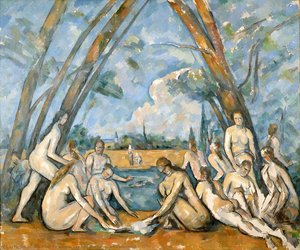

Mending the Net의 고해상도 이미지

토마스 에이킨스, Mending the Net (1881), 필라델피아 미술관. 퍼블릭 도메인
Mending the Net에 관한 질문과 답변
현재 토마스 에이킨스의 "Mending the Net"은(는) 어디에서 관람할 수 있나요?
토마스 에이킨스의 "Mending the Net"의 원작은 필라델피아 미술관, 필라델피아, 미국에 소장되어 있습니다. 복제화를 통해 이 작품을 집에서도 감상하실 수 있습니다.
토마스 에이킨스의 "Mending the Net"은(는) 언제 제작되었나요?
"Mending the Net"은(는) 1881년에 제작되었습니다. 이 시기는 토마스 에이킨스의 예술적 경력과 당시의 시대상을 잘 보여줍니다.
"Mending the Net"은 어떤 기법으로 제작되었나요?
토마스 에이킨스의 "Mending the Net"의 재료는 Oil On Canvas입니다. 복제화는 이 기법 특유의 질감을 그대로 구현하는 것을 목표로 합니다.
"Mending the Net"은(는) 어떤 내용을 담고 있나요?
토마스 에이킨스의 "Mending the Net"에 나타난 주제로는 rural life, leisure, community, conversation, landscape, eakins, net mending, american scene 등이 있습니다. 이들은 모여 작품의 소재를 요약해 보여줍니다.
토마스 에이킨스의 "Mending the Net"은(는) 퍼블릭 도메인인가요?
저작권과 관련하여, "Mending the Net"은(는) 퍼블릭 도메인 - 저작권 보호 기간이 만료되었습니다 상태입니다.
"Mending the Net"은(는) 어느 작가의 작품인가요?
"Mending the Net"의 작가는 토마스 에이킨스입니다.
토마스 에이킨스의 "Mending the Net"은(는) 어떤 미술 사조에 속하나요?
"Mending the Net"은(는) Contemporary Realism 양식의 작품입니다. 이 사조는 해당 작품이 속한 예술적 전통을 나타냅니다.
Mending the Net은(는) 토마스 에이킨스의 예술적 여정 중 어느 시기의 작품인가요?
"Mending the Net"은(는) 토마스 에이킨스의 Mature Period를 잘 보여주는 작품입니다.
1881년에 "Mending the Net"을(를) 제작할 당시 토마스 에이킨스의 나이는 몇 세였나요?
토마스 에이킨스은(는) 1881년에 "Mending the Net"을(를) 제작했을 당시 37세였습니다. 이 나이는 작가의 출생 연도인 1844을(를) 기준으로 계산되었습니다.
아티스트 토마스 에이킨스 소개

1844–1916, 미국
토마스 에이킨스
토마스 이킨스의 삶 1844년 7월 25일, 펜실베이니아주 필라델피아에서 태어난 토마스 이킨스는 자신이 태어난 도시의 토양에 깊이 뿌리를 둔 삶을 살았습니다. 그는 화가이자 사진가, 조각가, 그리고 미술 교육자로서 여러 분야를 넘나들며 다재다능한 면모를 보여준 예술가였습니다. 그의 예술적 호기심은 종종 그를 해외로 이끌어 학문적 탐구를 이어가게 했지만, 그의 존재를 지탱하는 지리적 중심은 언제나 필라델피아에 머물러 있었습니다. 그는 도시의 지적, 사회적 관계망 속을 유영하며, 지역의 풍경을 정의하는 사람들과 그들이 마주한 물리적 실재를 예리하게 관찰했습니다.
토마스 에이킨스의 다른 작품들
 그로스 클리닉1875
 수영1885
 맥스 쉼트, 단상선배를 조종하며1871
 Portrait of Samuel Murray1889

Mending the Net 관련 에세이
 Arboreal Echoes: A Historical & Artistic Exploration of Trees in PaintingExplore the rich history of trees in painting! Discover symbolism, Romantic masterpieces by Caspar David Friedrich & beyond. A curated jour…
 19th Century Masterpieces: 10 Paintings That Defined an Era | OriginalUniqueArtJourney through 19th century art with OriginalUniqueArt! Explore 10 iconic paintings – from Monet & Renoir to Courbet – and discover the st…
 The Language of Brushstrokes: How Texture and Technique Reveal the Soul of ArtDiscover the profound connection between texture and emotion in Impressionist art. Explore how masterful brushstrokes by Renoir and Monet c…