

 미리보기
미리보기
 공유하기
공유하기 공유하기
공유하기
 상세 정보
상세 정보

 다운로드
다운로드
 유사 작품
유사 작품 X-레이
X-레이 슬라이드 쇼
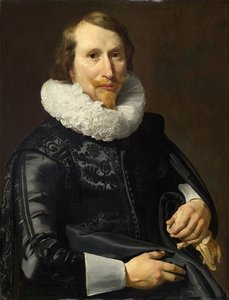
Portrait of a Man
 Oil On Canvas
- WallArt
- Dutch Golden Age Portraiture
 1632
1632 122.0 x 90.0 cm
 에르미타주 박물관
 더 보기
더 보기
지클레 / 아트 프린트
빠른 제작과 다양한 마감 옵션을 제공하는 박물관 품질의 지클레이 또는 캔버스 프린트. ( 손으로 그린 그림 구매 이미지 구매)




P118B $10

P118H $10

P118W $10

P438Z $10

P508JH $12

P508YH $12

P805H $10

P805Z $10

P919BZ $10

P919G $10

P919XJ $10

P959ZH $10

P968JZ $12

W106C $8

W218G $10

W218JH $8

W218Y $10

W307PJ $10

W316G $10

W316PJ $8

W316Y $10

W398PJ $8

W4111J $10

W500HY $15

W500JH $15

W692G $12

W849H $8

W940BG $15

W953PJ $8




작품의 원본 비율을 유지하는 미리 설정된 크기 중에서 선택하세요.

특정 프레임이나 공간에 맞춰 직접 치수를 입력하실 수 있습니다. 선택하신 사이즈가 원본 이미지의 비율과 일치하지 않을 경우, 작품을 크롭(자르기)하거나 이미지를 대칭 또는 단색 채우기로 확장하여 제작합니다. 제작 시작 전, 최종 확인을 위해 디지털 목업이 전송됩니다.
화면상의 미리보기는 실제 크롭이나 확장 상태를 반영하지 않으므로, 최종 구도는 오직 목업을 통해서만 정확하게 확인하실 수 있습니다.
맞춤 사이즈 제작도 가능하지만, 원본 비율을 유지하기 위해서는 사전 정의된 목록에서 치수를 선택하시는 것을 권장합니다.


 유리 옵션은 110cm 미만 크기에서만 선택 가능합니다.

Portrait of a Man
지클레 / 아트 프린트
복제본 크기
-


최종 결제 금액
$ 80
작품 상세 설명
A Glimpse into the Soul: Thomas de Keyser’s ‘Portrait of a Man’
Within the hushed reverence of a museum or the intimate glow of a carefully curated home, Thomas de Keyser's “Portrait of a Man” (circa 1632) commands attention not merely as an image, but as a window into the complexities of human character. This is no simple likeness; it’s a meticulously crafted study in observation and emotion, a quintessential example of the Dutch Golden Age’s fascination with capturing the inner life of its subjects. De Keyser, often considered Rembrandt's closest peer and a master of his own distinctive style, presents us with a gentleman of considerable presence – a man who invites contemplation long after initial viewing.
The painting immediately establishes a sense of dignified composure. The subject, dressed in the rich, dark fabrics characteristic of the period’s wealthy merchants and civic leaders, possesses an air of quiet confidence. His posture is subtly turned towards the viewer, creating a direct engagement that feels remarkably intimate despite the formality of the attire. Yet, it's not simply a portrait of outward appearance; De Keyser skillfully employs chiaroscuro – the dramatic interplay of light and shadow – to draw our focus to his face, revealing a network of subtle lines etched by time and experience. These aren’t merely wrinkles; they speak volumes about a life lived, a mind engaged with the world.
The Language of Form: Technique and Detail
De Keyser's mastery lies in his painstaking attention to detail, a hallmark of Dutch portraiture during this era. The artist’s technique is built upon layers of oil paint, meticulously applied to create textures that are both remarkably realistic and subtly suggestive. Observe the smooth sheen of the fabric, contrasted with the rougher texture of the man's beard – each element rendered with an almost obsessive precision. The lace at his collar and cuffs isn’t merely decorative; it’s a complex network of delicate lines, demonstrating De Keyser’s control over form and his ability to capture intricate details with remarkable accuracy. The subtle variations in tone and color within the skin itself – the warm browns and pinks – contribute to an astonishing sense of realism.
The composition is deceptively simple yet profoundly effective. The dark background, devoid of any distracting elements, serves to isolate the subject and amplify his presence. The vertical lines of his doublet create a sense of formality and structure, while the slight turn of his body draws our eye directly to his face – the focal point of the entire painting. Even the inclusion of the gloves, held casually in one hand, adds a layer of narrative, hinting at leisure or perhaps even status within the social hierarchy of the time.
Symbolism and Context: A Window into 17th-Century Dutch Society
“Portrait of a Man” is more than just a likeness; it’s a reflection of the values and beliefs of 17th-century Holland. The direct gaze, the slight upward tilt of his head – these are not accidental gestures but deliberate attempts to convey self-assurance and perhaps even a touch of melancholy. The inclusion of the shell, often associated with wisdom and contemplation in Dutch symbolism, subtly reinforces this sense of introspection. It’s a quiet reminder that beneath the surface of outward appearances lies a complex inner world.
Painted during the height of the Dutch Golden Age, this portrait reflects the era's burgeoning interest in individual identity and psychological realism. The subject represents a merchant class – a rising force in European society – whose wealth and influence were increasingly reflected in their artistic patronage. De Keyser’s work, alongside that of Rembrandt and other contemporaries, helped to establish a new standard for portraiture, one that prioritized not just physical likeness but also the conveyance of character and emotion.
A Timeless Masterpiece: Reproduction and Beyond
Reproductions of “Portrait of a Man” offer an unparalleled opportunity to bring this remarkable work into your home or office. Whether you choose a high-quality print, a meticulously crafted canvas reproduction, or even a digital image for your screensaver, you’ll be experiencing the enduring power and beauty of De Keyser's vision. This painting is not simply a decorative element; it’s a conversation starter, an invitation to contemplate the complexities of human nature, and a testament to the artistic genius of the Dutch Golden Age.
작가 약력
토마스 데 케이저의 유산: 네덜란드 황금기의 거장
전례 없는 번영과 문화적 꽃을 피웠던 17세기 암스테르담의 활기차고 북적이는 심장부에서, 토마스 데 케이저는 초상화 영역의 강력한 존재로 등장했습니다. 건축적 웅장함이 깃든 환경에서 1596년에 태어난 데 케이저는 암스테르담의 스카이라인을 형성한 전설적인 건축가 헤ンド릭 데 케이저의 아들이었습니다. 이러한 장인 정신의 혈통은 단순한 이름 그 이상의 의미를 지녔습니다. 그것은 구조와 공간, 그리고 사물의 물리적 존재감에 대한 근본적인 이해를 제공했으며, 이는 훗날 인체를 다루는 그의 방식에 결정적인 밑거름이 되었습니다. 암스텔 강변의 석재 작업장 사이에서 성장하며 데 케이저는 예술과 건축이 불가분하게 연결된 세계에 몰입되었고, 이는 그의 전매특허가 될 기술적 정밀함을 길러내는 토대가 되었습니다.
그의 예술적 여정은 코르넬리스 반 데르 보르트 아래에서의 정식 교육을 통해 더욱 정교해졌으며, 이 과정을 통해 그는 당대의 인문주의적 이상과 세련된 구도 기법을 익혔습니다. 성숙기에 접어들면서 데 케이저의 화풍은 르네상스 후기의 세밀한 디테일과 태동하던 바로크 운동의 극적인 심리적 강렬함을 잇는 독창적인 가교로 자리 잡기 시작했습니다. 초기 작품들이 선대 거장들의 형식적 우아함에 깊은 관심을 보였다면, 그는 곧 인물의 외형을 넘어 그 성격의 본질에 닿을 수 있는, 살아있는 현실을 포착하는 능력을 발휘하기 시작했습니다.
렘브란트의 그림자와 사실주의 예술
데 케이저의 찬란함을 이해하기 위해서는 그의 작품과 렘브란트 판 레인 사이의 복잡한 관계를 살펴봐야 합니다. 당대의 혁신적인 정신을 공유했던 동시대 인물로 자주 묘링되는 데 케이저의 빛과 그림자에 대한 접근 방식, 즉 유명한 키아로스쿠로(chiarosc로)는 렘브란트가 주창한 극적인 혁신을 반영하고 있습니다. 그러나 데 케이저는 자신만의 독특한 명료함을 지니고 있었습니다. 렘브란트가 형태를 깊고 신비로운 어둠 속으로 녹여냈다면, 데 케이저는 선의 또렷함과 질감의 빛나는 특성을 유지하곤 했습니다. 그는 촉각적 묘사의 거장이었으며, 실크의 묵직한 광택, 레이스의 복잡한 패턴, 그리고 노년 상인의 미세하게 풍화된 피부를 거의 과학적인 정확도로 그려냈습니다.
이러한 사실주의에 대한 집념은 그를 네덜란드 공화국에서 떠오르는 상인 계층이 가장 선호하는 초상화가로 만들었습니다. 모델의 위엄과 심리적 진실 사이의 균형을 맞추는 그의 능력은, 작품이 사회적 지위의 상징인 동시에 친밀한 인물 연구로서 기능하게 했습니다. 집단 초상화에서 그는 복잡한 인물 배치를 조직하는 탁월한 능력을 보여주었으며, 각 개인이 고유한 정체성을 유지하면서도 공동체의 시민적 자부심이라는 응집력 있는 서사에 기여하도록 만들었습니다. 그의 붓터치는 정교하면서도 결코 정지해 있지 않았습니다. 그의 구도에는 17세기의 박제된 순간들에 생명력을 불어넣는 리드미키한 활력이 살아 숨 쉬고 있습니다.
역사적 의의와 예술적 승리
토마스 데 케이저의 업적은 캔버스를 넘어 북유럽 미술사의 중요한 장을 상징합니다. 그의 경력은 네덜란드가 상업, 과학, 예술을 통해 정체성을 확립하던 네덜란드 황금기의 정점과 일치합니다. 부유한 시민부터 영향력 있는 시정 지도자에 이르기까지 이 시대의 얼굴들을 기록함으로써, 그는 격변하는 사회의 시각적 기록을 남겼습니다. 그의 작품은 해상 강국으로서의 위상과 개신교적 근면함으로 정의되는 시대의 사회적 계층, 패션, 그리고 가치관을 들여다보는 창 역할을 합니다.
그의 삶과 유산 전반에 걸쳐, 예술계에 기여한 몇 가지 핵심 요소는 다음과 같습니다:
- 기술적 숙련도: 다양한 질감과 재료를 생생한 정밀도로 구현해내는 타의 추종을 불허하는 능력.
- 건축적 영향: 네덜란드 건축가 가문과의 연결에서 비롯된 독특한 구도 감각과 구조적 완전성.
- 심리적 깊이: 정형화된 초상화에 개인의 인류애와 정서적 울림을 불어넣는 능력.
- 문화적 기록: 막대한 부가 축적되던 시기, 암스테르담 상인 계층의 성장하는 정체성을 포착한 역할.
비록 역사가 때때로 그를 렘브란트의 그림자에 가두기도 하지만, 데 케이저의 중요성은 결코 퇴색되지 않습니다. 그는 단순히 위대한 거장을 모방한 것이 아니라, 네덜란드 전통에 명료함과 구조적 우아함이라는 고유한 색채를 더한 선구자였습니다. 오늘히 그의 작품은 학자들과 예술 애호가들을 계속해서 매료시키며, 당대의 외적인 화려함과 내면의 영혼을 모두 포착해낼 수 있었던 거장의 영원한 증거로 남아 있습니다.
토마스 데 케이저
1596 - 1667 , 네덜란드
주요 정보
- Artistic Movement Or Style: 네덜란드 황금기
- Artists Or Movements Influenced By This Artist: ['렘브란트']
- Artists Who Influenced This Artist: ['렘브란트 판 레인']
- Date Of Birth: 네덜란드 암스테르담 (1596)
- Date Of Death: 1667
- Full Name: 토마스 데 케이저
- Nationality: 네덜란드
- Notable Artworks: ['프레데릭 반 벨튜이센과 그의 아내']
- Place Of Birth: 암스테르담
관련 기사 더 보기

렘브란트 반 레인 명작 25선: 빛과 그림자의 거장, 예술의 정수를 만나다
렘브란트 반 레인 명작 25선을 만나보세요. 빛과 그림자의 거장이 그린 역사화, 초상화 속 예술의 정수를 감상하고, 네덜란드 황금시대 바로크 미술의 깊이를 느껴보세요. OriginalUniqueArt.com에서 고품질 복제화를 컬렉션하세요.

Golden Light & Dutch Skies: The Timeless Magic of Dutch Golden Age Landscapes
Discover the breathtaking beauty of Dutch Golden Age landscapes. Explore the mastery of light, chiaroscuro, and 17th-century realism through an expert art history lens, celebrating the enduring legacy of the Dutch Masters for discerning collectors and art lovers.

네덜란드 황금 시대 예술의 정수를 담은 10대 걸작 탐구
렘브란트, 베르메르의 걸작부터 할스의 인물화까지! 네덜란드 황금시대 미술의 10대 명품을 만나보세요. 예술적 깊이와 아름다움을 담은 작품들을 OriginalUniqueArt에서 감상하고, 고품질 아트 프린트로 당신의 공간에 특별함을 더하세요. 지금 바로 OriginalUniqueArt.com에서 모든 걸작을 발견하세요!

Dutch Baroque Masters: 10 Paintings That Shaped an Era | OriginalUniqueArt
Journey through the Golden Age with our guide to the Top 10 Dutch Baroque masterpieces! Explore iconic paintings by Rembrandt, Vermeer & Frans Hals. Find museum-quality art reproductions and elevate your home decor at OriginalUniqueArt.com.

Rembrandt van Rijn: A Life Illuminated – Innovation, Emotion, and the Dutch Golden Age
Explore the life & art of Rembrandt van Rijn, a Dutch Golden Age master. Discover his innovative techniques, iconic paintings like 'The Night Watch', and enduring legacy. Expert insights for collectors & enthusiasts.

