
 실제 크기로 보기
 보내기
보내기 공유하기
공유하기
 상세 보기
상세 보기 가이드 보기

 이미지 다운로드
 유사 작품 더 보기
 X-레이
X-레이 슬라이드 쇼 보기
 통계 정보
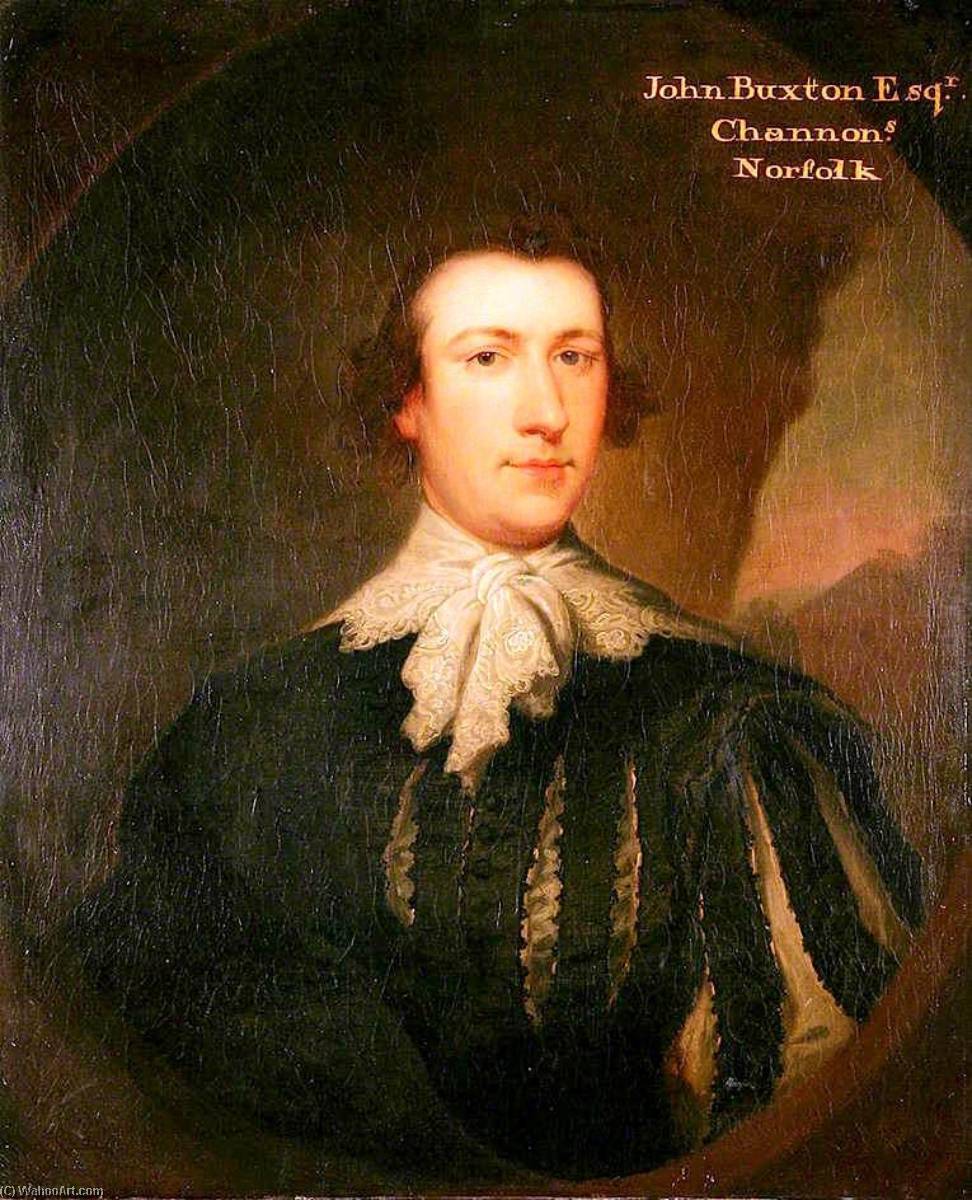
통계 정보John Buxton of Channonz
 Oil On Canvas
- WallArt
- Neoclassicism
 1750
1750- Early Modern
 76.0 x 63.0 cm
 Norwich Castle Museum And Art Gallery
 상세 보기
상세 보기
온라인 미리보기보다 훨씬 뛰어난 품질의 고해상도 디지털 이미지를 구매해 보세요.
각 파일은 사내 전문가가 고급 도구와 숙련된 수동 리터칭 기술을 사용하여 세심하게 준비합니다. 우리는 모든 이미지가 탁월한 선명도, 정확한 색상 재현력, 그리고 미세한 디테일까지 완벽하게 갖추도록 보장합니다.
최종 파일은 전문적인 편집 및 인쇄 환경에서 즉시 사용할 수 있도록 최적화되어 72시간 이내에 이메일로 발송됩니다. 이는 세계적인 디자인 스튜디오, 출판사 및 갤러리가 신뢰하는 것과 동일한 품질입니다.
디지털 이미지
개인 소장 및 전시, 인쇄, 창작 프로젝트를 위한 고해상도 파일을 다운로드하세요. ( 프린트 판매로 전환 수작업 채색 복제본 주문하기)
모든 디지털 이미지 주문 시 제공되는 혜택
전문적인 디지털 이미지 전송 보장
OriginalUniqueArt.com를 선택하시면 단순히 이미지를 받는 것을 넘어, 정밀한 보정 과정을 거쳐 완성된 전문적인 디지털 예술 작품을 만나보실 수 있습니다. 모든 작품에는 만족 보장 서비스가 함께 제공되며, 주문 시 다음과 같은 사항들이 자동으로 포함됩니다:

빠른 이메일 수령
주문 후 72시간 이내에 고해상도 디지털 이미지 파일이 이메일로 발송되며, 즉시 사용하실 수 있습니다.

AI 기술로 최적화된 디지털 파일
귀하의 작품은 고급 AI 기술과 정교한 수동 편집 과정을 거쳐 전문적으로 최적화되며, 이를 통해 디테일과 선명도, 색상의 정확도를 극대화합니다.

평생 무료 재전송 서비스
파일을 실수로 삭제하거나 분실하셨나요? 걱정 마세요. 언제든 무료로 다시 보내드립니다.

추가 수입 비용 없음 - 언제나
관세나 부가세, 배송비 부담 없이 작품을 즉시 소장하세요 - 디지털 다운로드는 언제나 면세 혜택이 적용됩니다.

정확한 색상 보장
전문적인 도구와 색상 관리 시스템을 통해 디지털 이미지가 원본의 색상을 최대한 정확하게 구현하도록 보장합니다.

100일 만족 보장제
구매하신 디지털 이미지에 만족하지 못하실 경우, 100일 이내에 별도의 조건 없이 수정 또는 100% 환불을 진행해 드립니다.

100% 환불 보장
만족스럽지 않으신가요? 디지털 파일을 받으신 후 100일 이내에 조건 없이 전액 환불해 드립니다.

대량 주문 할인
이미지 3매 구매 시 10% 할인 - 5매 구매 시 15% 할인 - 10매 이상 구매 시 20% 할인. 크리에이티브 프로젝트, 갤러리, 에이전시에 매우 유용합니다.
A Glimpse into Eighteenth-Century Elegance
In the quiet, dignified presence of John Buxton of Channonz, we encounter more than just a portrait; we step into the refined atmosphere of the mid-18th century. Painted by the skilled hand of Thomas Bardwell, this oil on canvas serves as a window into an era defined by Neoclassical grace and the subtle assertion of social standing. The subject, a man of notable character, is presented with a meticulous attention to detail that captures both his physical likeness and the quiet authority of his station. Clad in a somber yet sophisticated black suit, contrasted sharply by a crisp white collar and an elegant bow tie, Buxton embodies the poised restraint of the landed gentry. His well-groomed beard and mustache lend him an air of seasoned wisdom, inviting the viewer to contemplate the life and legacy of a man born into a world of tradition and burgeoning prosperity.
The artistry of Bardwell shines through in the masterful application of oil, where texture and light dance across the canvas to create a profound sense of depth. While the portrait is fundamentally an intimate study of a single individual, the artist has thoughtfully integrated a backdrop of distant, undulating mountains. This inclusion of landscape does more than provide a scenic relief; it introduces a sense of permanence and grandeur, suggesting that the subject’s influence and roots are as enduring as the earth itself. The interplay between the dark, structured tones of the sitter's attire and the soft, atmospheric haze of the distant peaks creates a visual harmony that is both captivating and soothing to the eye.
Mastery of Technique and Historical Resonance
To appreciate this work is to understand the evolution of Thomas Bardwell himself. Emerging from a background in decorative arts and painted panels, Bardwell brought a unique, craftsman-like precision to his portraiture. This foundation is evident in the way he handles the fine details—the delicate fold of a collar, the subtle sheen on a fabric, and the nuanced shadows that define the contours of a face. His ability to transition from functional embellishments to the profound emotional depth required for high-society portraiture marks him as a significant figure of his time. This piece, currently held in the prestigious Norwich Castle Museum And Art Gallery, stands as a testament to his ability to capture the very essence of character through disciplined brushwork.
For the discerning collector or interior designer, John Buxton of Channonz offers an unparalleled opportunity to introduce a sense of historical weight and classical beauty into a contemporary space. The painting’s palette—rich in deep blacks, luminous whites, and earthy landscape tones—makes it a versatile centerpiece capable of anchoring a room with its quiet strength. Whether placed in a formal study, a library, or a curated gallery wall, a high-quality reproduction of this masterpiece brings with it the prestige of the 1750s. It is an invitation to surround oneself with art that does not merely decorate a wall but tells a story of heritage, dignity, and the timeless allure of the human spirit.
아티스트 프로필
Early Life and Apprenticeship
Thomas Bardwell, born in 1704, emerged from a family deeply rooted in the decorative arts rather than the established world of fine painting. His initial foray into artistry wasn’t through formal training but within the practical demands of his family's business in Bungay, Suffolk. He began by crafting painted panels – functional embellishments that nonetheless required a keen eye for composition and color. This early experience, though seemingly humble, laid a crucial foundation for his later success. It instilled in him a meticulous approach to craft and an understanding of the visual impact of imagery, even before he consciously aspired to be a portraitist. The earliest documented works, conversation pieces from 1736 – notably one potentially depicting the Brewster family of Beccles now held by the Geffrye Museum – offer glimpses into this formative period. These paintings, intimate scenes capturing familial life, reveal an emerging talent for characterization and narrative detail, hinting at a sensibility that would blossom in his more ambitious commissions.Breaking New Ground in Norwich
Bardwell’s trajectory took a significant turn in 1746 when he secured a commission from the Artillery Company of Norwich to paint William Crowe, who was soon to become mayor. This wasn't merely another portrait; it represented a challenge to the established artistic order within the city. Until then, John Theodore Heins, a German-born artist, had held a virtual monopoly on civic portraiture in Norwich. Bardwell’s success in capturing Crowe’s likeness – and securing this prestigious commission – effectively broke that hold, marking him as a formidable new presence on the local art scene. This initial triumph led to a series of nine portraits for St Andrew's Hall in Norwich, solidifying his reputation and establishing a distinctive style favored by the city’s prominent citizens. He wasn’t simply painting faces; he was becoming an integral part of documenting Norwich society itself.London Commissions and Allegorical Depth
The 1740s and 50s saw Bardwell extend his reach to London, where he undertook a variety of portrait commissions. However, it was during this period that he ventured beyond straightforward representation, demonstrating an ambition for more complex allegorical works. Joshua Ward Receiving Money from Britannia (and bestowing it as charity on the needy), painted in 1748 and now residing within the Royal College of Surgeons’ collection, stands as a prime example. This painting isn't just a portrait of Dr. Joshua Ward; it’s a carefully constructed visual narrative. The symbolic figures of Britannia and Charity flanking Ward, coupled with the throng of grateful patients, elevate the work beyond mere likeness to a celebration of philanthropy and civic virtue. An engraving after this piece, likely by Bernard Baron, further disseminated his imagery and influence. This period reveals Bardwell's growing sophistication in using symbolism to imbue his portraits with deeper meaning, moving him away from purely descriptive representation towards works that actively engaged with moral and social themes.Yorkshire, Scotland, and a Return to Norwich
Bardwell’s artistic journey wasn’t confined to the south of England. Between 1752 and 1753, he embarked on an extensive series of commissions in Yorkshire and Scotland, broadening his exposure to different patrons and regional styles. This period likely influenced his technique and further refined his ability to adapt to diverse aesthetic preferences. However, by 1759, Bardwell made the decision to settle permanently in Norwich. He became a central figure within the city’s artistic community, celebrated for his skill and dedication. An obituary published in a local newspaper lauded him as “an eminent portrait painter…who principally through the power of genius and dint of application, acquired a degree of perfection in his art.”Legacy and Theoretical Contributions
Bardwell’s impact extended beyond the canvas. In 1756, he published The Practice of Painting and Perspective Made Easy, a 64-page treatise dedicated to the Earl of Rochford. This work wasn't merely a technical manual; it reflected his own artistic philosophy and offered practical guidance for aspiring painters. It demonstrates a commitment to sharing his knowledge and promoting the art of painting beyond his immediate circle. According to a general history of Norfolk published in 1829, “the best of his portraits are at Langley,” with works by Turner and Carr also noted as holding historical subjects painted by Bardwell. While perhaps not achieving the widespread fame of some of his contemporaries, Thomas Bardwell carved out a significant niche for himself as a skilled portraitist, a breaker of artistic monopolies, and a thoughtful contributor to the discourse surrounding painting in 18th-century England. His legacy resides not only in the faces he captured but also in the enduring quality of his craftsmanship and his dedication to elevating the art of portraiture within his community.
thomas bardwell
1704 - 1767
핵심 정보
- Artistic Movement Or Style: Portraiture
- Artists Or Movements Influenced By This Artist: ['Romanticism']
- Artists Who Influenced This Artist: ['John Theodore Heins']
- Date Of Death: 1767
- Full Name: Thomas Bardwell
- Nationality: English
- Notable Artworks:
- Joshua Ward Receiving Money from Britannia
- Sir Thomas Churchman
- Place Of Birth: Bungay, Suffolk