
 미리보기
미리보기
 공유하기
공유하기 공유하기
공유하기
 상세 정보
상세 정보 가이드 보기

 다운로드
다운로드
 유사 작품 더 보기
 X-레이
X-레이 슬라이드 쇼 보기
 질의응답
질의응답 통계 정보
통계 정보Dawn over Teignmouth

- 31.0 x 55.0 cm


 더 보기
더 보기
지클레 / 아트 프린트
빠른 제작과 다양한 마감 옵션을 제공하는 박물관 수준의 지클레이 및 캔버스 프린트. ( 수작업 채색 복제본 주문하기 디지털 이미지로 전환)




































작품의 원본 비율을 그대로 유지하는 프리셋 사이즈 중에서 선택해 보세요.

액자나 벽면 크기에 맞춰 필요한 가로와 세로 길이를 입력해 주세요. 프린트는 원본 이미지보다 크게 제작할 수 없으며 오직 자르는 것만 가능하므로, 비율이 다른 사이즈를 선택할 경우 이미지의 일부가 잘려 나갈 수 있습니다. 인쇄 작업에 들어가기 전, 최종 확인을 위해 디지털 목업을 보내드립니다. 이 페이지에 표시된 이미지는 실제 잘리는 영역을 나타내지 않으며, 오직 목업을 통해서만 정확한 확인이 가능합니다.


 유리 옵션은 110cm 미만 크기에서만 선택 가능합니다.

Dawn over Teignmouth
지클레 / 아트 프린트
복제본 크기
-


최종 결제 금액
₩ 108665
작가 정보
The Atmospheric Legacy of Thomas Armstrong
In the golden age of Victorian British art, few figures bridged the gap between the rigorous traditions of the past and the burgeoning modernism of the future as gracefully as Thomas Armstrong. Born in Manchester in 1832, Armstrong’s early life was steeped in a unique blend of musicality and visual discipline. The son of the celebrated musician Amos Ebenezer Armstrong, his childhood was shaped by the rhythmic precision of classical music—a sensibility that would later manifest in the lyrical cadence of his brushstrokes. His formal artistic training began at the Manchester Fine Art Academy under Robert Crozier, but it was his departure for Paris in 1853 that truly ignited his creative spirit. Immersed in the vibrant atmosphere of the Académie Suisse and later studying under the profound influence of Ary Scheffer, Armstrong absorbed the stylistic nuances of the Renaissance masters while simultaneously witnessing the dawn of a new, more emotive era of painting.
Armstrong’s time in Paris placed him at the heart of an extraordinary artistic circle. He moved within the same orbit as the "Paris Gang," including luminaries such as James Abbott McNeill Whistler and George du Maurier. This period of intense cross-pollination allowed him to integrate the structural integrity of classical training with the experimental textures that were beginning to define European landscape painting. His work became a profound dialogue between the disciplined eye of the academic and the wandering, soulful heart of the Barbizon movement.
A Mastery of Light and Landscape
The true essence of Armstrong’s genius lies in his ability to capture the ephemeral. As a pioneer of the Barbizon landscape style in Britain, he moved away from the rigid, topographical accuracy of earlier eras toward a more atmospheric and emotive representation of nature. His canvases are characterized by a masterful use of atmospheric perspective, where distant horizons dissolve into soft, muted tones, creating a sense of infinite depth and quietude. In works such as “Dawn over Teignmouth,” one can witness his ability to manipulate light; the painting does not merely depict a coastal scene but evokes the very feeling of the morning mist lifting off the water, inviting the viewer into a moment of profound tranquility.
His technique was never merely about imitation, but about capturing the essence of rural life and natural phenomena. Through a palette of subdued earth tones and delicate highlights, he achieved a sense of realism that felt deeply poetic. This mastery extended beyond the easel into the realm of decorative arts. Armstrong possessed a rare talent for large-scale commissions, adorning grand architectural spaces with murals that blended mythological grandeur with pastoral serenity. His collaborations with influential figures like William Morris demonstrated his commitment to the Arts and and Crafts Movement, proving that fine art could be seamlessly integrated into the very fabric of living spaces.
A Visionary of Artistic Education
Beyond his contributions to the canvas, Thomas Armstrong’s historical significance is cemented by his transformative role as an administrator and educator. His appointment as Director for Art at the South Kensington Museum in 1881 marked a watershed moment for British arts education. He understood that for art to flourish, it required not just talent, but a structured environment of learning and accessibility. Through his leadership, he helped shape the pedagogical foundations that would influence generations of British artists, ensuring that the museum served as both a sanctuary for existing masterpieces and a laboratory for new creative thought.
The legacy of Armstrong is one of profound duality: he was both a keeper of tradition and a herald of change. His life’s work remains a testament to the power of landscape to stir the human soul and the importance of institutional stewardship in preserving the flame of creativity. Today, when we look upon his serene vistas and lush, Pre-Raphaelite-inspired compositions like “Woman with Lilies,” we are not just viewing historical artifacts, but experiencing the enduring, rhythmic beauty of a master who saw the world through a lens of both light and profound grace.

Thomas Armstrong
1832 - 1911
작가 정보 요약
- Full Name: Thomas Henry Wait Armstrong
- Nationality: British
- Date Of Birth: 1832
- Date Of Death: 1911
- Place Of Birth: Peterborough, England
- Notable Artworks:
- Dawn over Teignmouth
- Woman with Lilies
- Artistic Movement Or Style: Romanticism
- Artists Who Influenced This Artist:
- Hugh Allen
- Ralph Vaughan Williams
- Artists Or Movements Influenced By This Artist: ['Walter Copland Perry']
관련 콘텐츠

Evocations of Place: A Historical Journey Through Landscape Art
Explore the rich history of landscape art with OriginalUniqueArt. Discover renowned artists, movements like Impressionism & Romanticism, and expert guidance for collecting timeless pieces. Find your perfect serene escape today!

Impressionistic Landscapes: 10 Masterpieces That Changed Art & Decor
Journey into the heart of Impressionism! Explore 10 masterpieces by Monet, Renoir & Degas that revolutionized landscape art. Discover their stories, techniques & find museum-quality reproductions to elevate your home decor on OriginalUniqueArt.com.

낭만 풍경화의 황홀! 예술사에 빛난 10대 걸작 탐구 | 와후아트
낭만주의 시대, 예술혼을 불태운 10대 풍경화 걸작! 터너부터 프리드리히까지, 시대를 초월하는 아름다움을 와후아트에서 만나보세요. 고흐의 색채와 코로의 섬세함이 당신의 공간에 영감을 더합니다. 지금 바로 와후아트에서 명품 미술 작품을 감상하고 구매하세요!

인상주의 풍경화의 황홀한 순간들: 10대 걸작에 담긴 예술혼
인상주의 풍경화의 정수를 담은 10대 걸작! 모네, 르누아르 등 거장의 작품 비하인드 스토리와 예술혼을 만나보세요. OriginalUniqueArt에서 고품격 미술 복제 및 인테리어 영감을 얻고, 당신의 공간에 예술적 감성을 더하세요. 지금 바로 OriginalUniqueArt.com에서 모든 걸작을 발견해보세요!
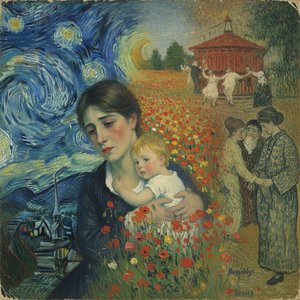
Capturing the Soul: The Most Emotionally Moving Impressionist and Post-Impressionist Masterpieces
Discover the profound emotional depth of Impressionist and Post-Impressionist masterpieces. Explore how legends like Monet, Van Gogh, and Gauguin captured light and soul through evocative landscapes and vibrant brushwork for a timeless connection to art history.