

 미리보기
미리보기
 공유하기
공유하기 공유하기
공유하기
 상세 정보
상세 정보

 다운로드
다운로드
 유사 작품
유사 작품 X-레이
X-레이 슬라이드 쇼
River Gorge with Waterfall
 Shanshui
 91.0 x 22.0 cm
 더 보기
더 보기
지클레 / 아트 프린트
빠른 제작과 다양한 마감 옵션을 제공하는 박물관 품질의 지클레이 또는 캔버스 프린트. ( 손으로 그린 그림 구매 이미지 구매)




































작품의 원본 비율을 유지하는 미리 설정된 크기 중에서 선택하세요.

특정 프레임이나 공간에 맞춰 직접 치수를 입력하실 수 있습니다. 선택하신 사이즈가 원본 이미지의 비율과 일치하지 않을 경우, 작품을 크롭(자르기)하거나 이미지를 대칭 또는 단색 채우기로 확장하여 제작합니다. 제작 시작 전, 최종 확인을 위해 디지털 목업이 전송됩니다.
화면상의 미리보기는 실제 크롭이나 확장 상태를 반영하지 않으므로, 최종 구도는 오직 목업을 통해서만 정확하게 확인하실 수 있습니다.
맞춤 사이즈 제작도 가능하지만, 원본 비율을 유지하기 위해서는 사전 정의된 목록에서 치수를 선택하시는 것을 권장합니다.


 유리 옵션은 110cm 미만 크기에서만 선택 가능합니다.

River Gorge with Waterfall
지클레 / 아트 프린트
복제본 크기
-


최종 결제 금액
$ 80
작가 약력
The Versatile Visionary: The Life and Legacy of Tani Bunchō
In the vibrant, shifting landscape of Edo-period Japan, few artists possessed the breadth of vision and stylistic dexterity of Tani Bunchō. Born in 1763 into a family of esteemed retainers for the Tayasu clan, Bunchō was destined for a life steeped in both scholarly tradition and samurai responsibility. As the son of the renowned poet Tani Rokkoku, his upbringing was an immersion in the refined aesthetics of the era, yet he would ultimately transcend the boundaries of his station to become a singular force in Japanese art history. He was not merely a painter; he was a bridge between worlds, weaving together the meticulous traditions of Japan with the expressive spirit of China and the emerging influences of the West.
Bunchō’s artistic journey began under the rigorous tutelage of Katō Bunrei, a master of the Kanō school. This foundational period instilled in him a profound command over classical Chinese painting techniques, characterized by disciplined brushwork and a deep respect for symbolic composition. However, the true genius of Bunchō lay in his refusal to be confined by a single lineage. While he mastered the formalized aesthetics of the Kanō tradition, he actively sought out the more fluid and expressive Hoku-ga (Northern School) style. His thirst for innovation led him to collaborate with masters like Kitayama Kangen, whose influence helped introduce elements of yōga—Western-inspired painting—into his repertoire. This rare ability to synthesize disparate styles allowed him to move seamlessly between idealized Chinese landscapes and the burgeoning realism of Japanese scenery.
A Synthesis of Styles and the Spirit of Innovation
The hallmark of Bunchō’s oeuvre is its extraordinary eclecticism. Unlike many of his contemporaries in the bunjin (literati) movement who adhered strictly to traditional Chinese motifs, Bunchō embraced a much wider spectrum of subject matter. He was equally adept at rendering the monumental and sacred presence of Mount Fuji as he was at capturing the delicate, ephemeral beauty of moonlight reflecting over river reeds. His work often functioned as a "true view," where the artist’s subjective experience of a landscape met a selective realism that felt both grounded and poetic. This duality—the ability to be both a scholar-poet and a keen observer of nature—defined his unique contribution to the Edo avant-garde.
His ascent to the pinnacle of the art world was significantly propelled by his prestigious patronage under Matsudaira Sadanobu, one of the most influential political figures of the Tokugawa Shogunate. This relationship provided Bunchō with more than just financial stability; it granted him the cultural capital and resources necessary for unprecedented experimentation. Under this aegis, he flourished as a prolific creator of landscapes, portraits, and calligraphy, often blending Nanga (literati) sensibilities with the ornamentalism found in the Maruyama-Shijō school. His paintings were not merely depictions of scenery but were profound meditations on the intersection of tradition and modernity.
Historical Significance and Enduring Influence
Tani Bunchō’s legacy is etched into the very fabric of Japanese art history as a pioneer of cultural exchange. By integrating Western perspectives with Eastern sensibilities, he helped prepare the Japanese artistic consciousness for the profound changes that would follow in the Meiji era. His work remains a testament to the power of intellectual curiosity and the beauty of stylistic hybridity. To look upon a Bunchō masterpiece is to witness a moment in time where the boundaries between different cultures and eras dissolved into a single, harmonious vision.
His enduring impact can be summarized through several key artistic contributions:
- Stylistic Integration: The seamless blending of Kanō school precision, Northern School expressiveness, and Western-influenced realism.
- Literati Innovation: Expanding the bunjin tradition beyond rigid Chinese imitation to include authentic Japanese landscapes and contemporary portraiture.
- Cultural Bridge-Building: Serving as a vital link between the classical traditions of the past and the emerging global influences of the late Edo period.

tani bunchō
1763 - 1841
주요 정보
- Artistic Movement Or Style: Nanga Painting
- Artists Or Movements Influenced By This Artist: ['Okuhara Seiko']
- Artists Who Influenced This Artist:
- Katō Bunrei
- Kitayama Kangen
- Date Of Birth: October 15, 1763
- Date Of Death: January 6, 1841
- Full Name: Tani Bunchō
- Nationality: Japanese
- Notable Artworks:
- River Gorge with Waterfall
- Miscellaneous Paintings and Calligraphy for the Third Year of the Bunsei Era
- Place Of Birth: Japan
관련 기사 더 보기

가츠시카 호쿠사이 최고 걸작 25선: 우키요에의 정수를 만나다 | OriginalUniqueArt
가츠시카 호쿠사이의 최고 걸작 25선을 만나보세요. 우키요에, 대판화 기법과 후지산 풍경의 아름다움을 담은 명작들을 감상하고, OriginalUniqueArt에서 고품질 아트 프린트와 인테리어 액자를 찾아보세요. 지금 바로 컬렉션을 탐험하세요!

낭만 풍경화의 황홀! 예술사에 빛난 10대 걸작 탐구 | 와후아트
낭만주의 시대, 예술혼을 불태운 10대 풍경화 걸작! 터너부터 프리드리히까지, 시대를 초월하는 아름다움을 와후아트에서 만나보세요. 고흐의 색채와 코로의 섬세함이 당신의 공간에 영감을 더합니다. 지금 바로 와후아트에서 명품 미술 작품을 감상하고 구매하세요!

Evocations of Place: A Historical Journey Through Landscape Art
Explore the rich history of landscape art with OriginalUniqueArt. Discover renowned artists, movements like Impressionism & Romanticism, and expert guidance for collecting timeless pieces. Find your perfect serene escape today!
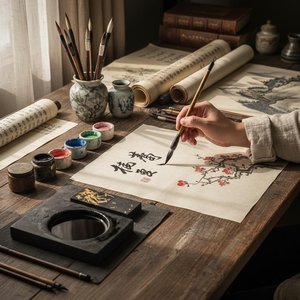
The Alchemy of Ink: Mastering the Timeless Beauty and Art History of Paper and Brush
Embark on a sophisticated exploration of ink wash painting and Sumi-e. Uncover the profound historical lineages, Zen philosophies, and technical mastery behind this timeless medium in our authoritative guide for fine art enthusiasts.

존 컨스터블 대표작 25선: 영국 풍경화의 거장, 자연과 감성을 담은 명화 컬렉션 | OriginalUniqueArt
존 컨스터블 대표작 25선을 만나보세요. 영국 풍경화 거장의 자연주의 회화, 데담 밸리의 아름다움과 헤이 웨인의 정취를 담은 명화를 감상하세요. OriginalUniqueArt에서 고품질 예술 작품 복제본을 소장하고 특별한 인테리어를 완성해보세요. 지금 바로 컬렉션을 탐험하세요!

