 프린트 판매로 전환
 더 보기
더 보기







































 가로 또는 세로 중 어느 한 면이라도 105cm(약 41인치)를 초과하는 작품이나 복제화의 경우, 프레임은 분해된 키트 형태로 배송됩니다. 이는 안전한 배송을 보장하고 운송 중 발생할 수 있는 손상을 방지하기 위함입니다.


A Portrait of Intimate Strength: Deconstructing Tamara de Lempicka's 'Mother and Child'
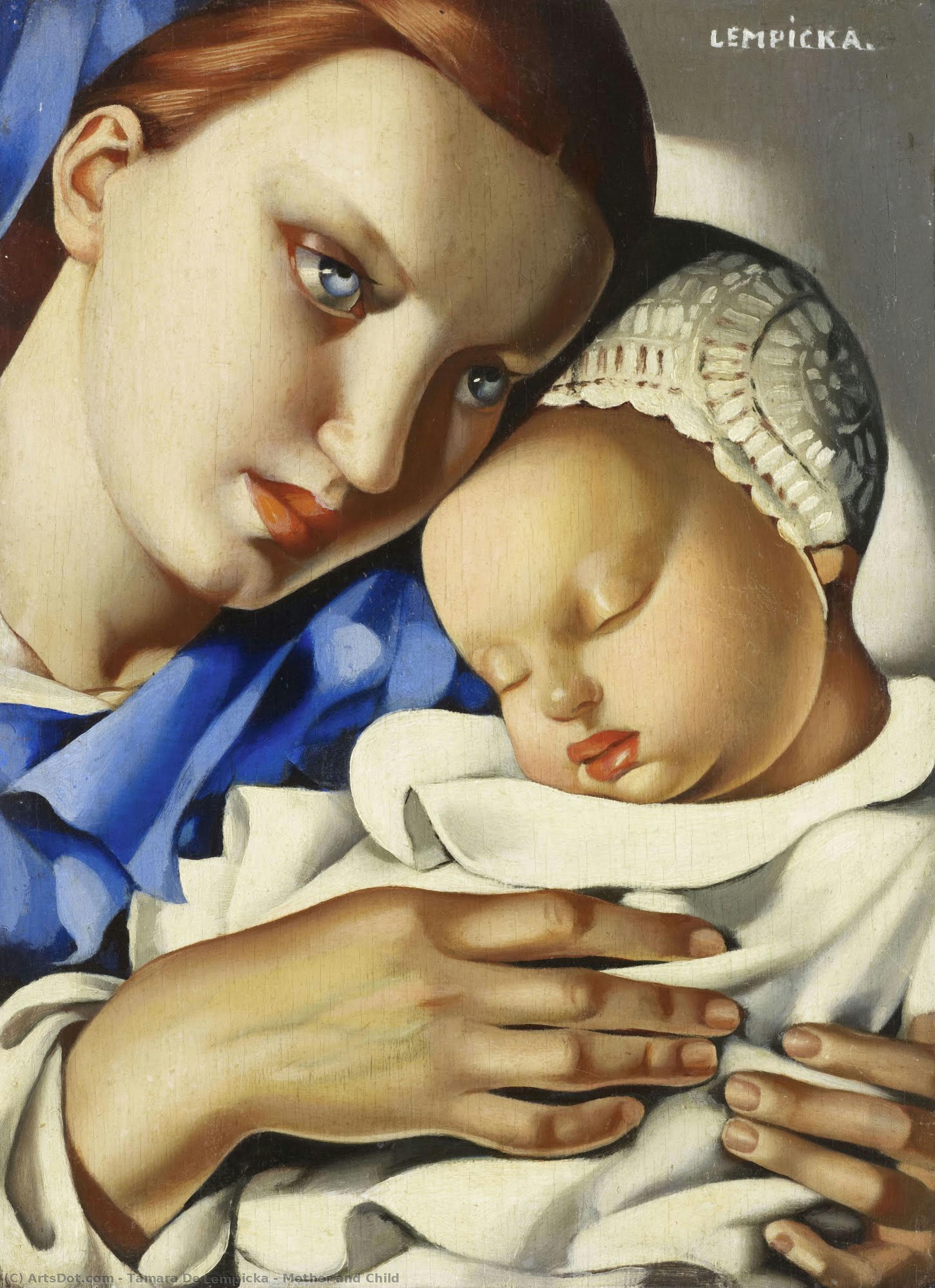
Tamara de Lempicka’s “Mother and Child,” painted in 1953, is more than just a depiction of familial love; it’s a carefully constructed tableau of aristocratic poise, quiet resilience, and the enduring power of maternal connection. Born Maria Teresa Górska in Warsaw in 1898, de Lempicka’s life was one of dramatic shifts – from a privileged Polish upbringing to a whirlwind romance with Tadeusz Łempicki, a tumultuous period during the Russian Revolution, and ultimately, a successful career as a celebrated Art Deco painter. This particular work, created later in her life, offers a poignant glimpse into her artistic evolution and her deeply personal understanding of motherhood.
The painting immediately draws the eye to the central figures: a woman, presumably Tamara herself, cradling a small child within her arms. The composition is strikingly formal, reminiscent of classical portraiture yet imbued with the sharp angles and geometric precision characteristic of de Lempicka’s signature style. She eschews loose brushstrokes or expressive gestures in favor of clean lines, precise modeling, and a deliberate flattening of perspective – techniques borrowed from Cubism but filtered through her own unique vision. The palette is restrained: muted browns, creams, and ochres dominate, creating a sense of understated elegance and timelessness. This careful control over color and form reflects de Lempicka’s meticulous approach to art, mirroring the precision she applied to her portraits.
Art Deco Elegance and Polish Roots
“Mother and Child” is firmly rooted in the Art Deco movement, a style that flourished in the 1920s and 30s, characterized by its geometric forms, luxurious materials, and celebration of modernity. De Lempicka embraced this aesthetic wholeheartedly, incorporating it into her portraits of wealthy patrons – industrialists, financiers, and socialites – who sought to project an image of sophistication and success. However, the painting also subtly hints at de Lempicka’s Polish heritage. The woman's posture, the rich fabrics of her clothing, and the overall sense of dignified reserve evoke a distinctly Eastern European sensibility—a quiet strength born from a history shaped by both privilege and upheaval.
The historical context is crucial to understanding the painting’s deeper meaning. De Lempicka had experienced significant personal turmoil – a divorce, the loss of her husband, and the challenges posed by World War II. “Mother and Child” can be interpreted as a reflection on these experiences, a yearning for stability and connection amidst a world in constant flux. The act of cradling the child represents not just maternal love but also a desire to nurture and protect—a powerful antidote to the anxieties and uncertainties of her life.
Symbolism of Protection and Legacy
The pose itself is laden with symbolism. The woman’s hand gently supporting the child conveys a sense of protection, security, and unwavering devotion. Her gaze is direct and confident, suggesting an inner strength that transcends mere motherhood. The child, nestled securely in her arms, embodies the future—a continuation of lineage, a promise of hope. It's not a sentimental depiction of blissful domesticity; rather, it’s a portrait of resilience and quiet determination.
Furthermore, the painting subtly references the concept of legacy. De Lempicka herself was a prolific artist who left behind a significant body of work—a testament to her enduring talent and artistic vision. “Mother and Child” can be seen as an extension of this legacy, a visual representation of the values she held dear: family, beauty, and the pursuit of excellence. It’s a poignant reminder that even in moments of personal struggle, the bonds of love and the desire to create something lasting can provide solace and purpose.
A Timeless Masterpiece for the Home
Reproductions of “Mother and Child” offer a beautiful addition to any interior space. The painting’s elegant composition and restrained palette complement a wide range of design styles, from classic to contemporary. Its powerful symbolism resonates with viewers on an emotional level, evoking feelings of warmth, security, and enduring love. Whether displayed in a formal living room or a more relaxed setting, this timeless masterpiece will undoubtedly serve as a focal point—a reminder of the beauty and strength found within the bonds of family.
질의응답
타마라 드 렘피카의 "Mother and Child"은(는) 퍼블릭 도메인에 해당하나요? 그 이유는 무엇인가요?
"Mother and Child"의 저작권 상태(저작권 보호 대상입니다)는 작가의 1980년 사망 시점을 기준으로 결정됩니다.
타마라 드 렘피카의 "Mother and Child"에는 어떤 소재가 등장하나요?
"Mother and Child"에 담긴 소재는 mother, child, tamara, lempicka, art deco, polish, family입니다.
Cubist Abstract 사조의 작품 "Mother and Child"은 어떤 감정을 전달하나요?
"Mother and Child"의 Romantic한 정서는 Cubist Abstract 양식과 조화를 이룹니다.
이 작품에 대해 더 알아보기
 미리보기
미리보기
 공유하기
공유하기 공유하기
공유하기
 상세 정보
상세 정보 가이드 보기

 다운로드
다운로드
 유사 작품 더 보기
 X-레이
X-레이 슬라이드 쇼 보기
 질의응답
질의응답 통계 정보
통계 정보