프린트 판매로 전환
 상세 보기
상세 보기







































 가로 또는 세로 중 어느 한 면이라도 105cm(약 41인치)를 초과하는 작품이나 복제화의 경우, 프레임은 분해된 키트 형태로 배송됩니다. 이는 안전한 배송을 보장하고 운송 중 발생할 수 있는 손상을 방지하기 위함입니다.


A Window into the Early Renaissance: The Nativity by Taddeo Gaddi
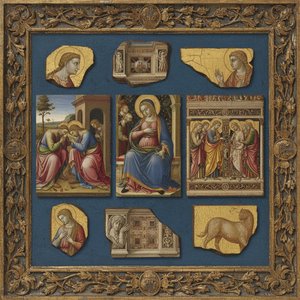
Taddeo Gaddi’s Nativity, painted around 1325-1345 in Florence, isn't merely a depiction of a biblical scene; it’s a vibrant snapshot of a pivotal moment in artistic history – the nascent Renaissance. Born into a family steeped in artistic tradition as the pupil of the legendary Giotto, Gaddi inherited and subtly transformed his master’s revolutionary style, injecting a freshness and emotional depth that distinguished his work. This panel, now residing within the Museo Nacional Thyssen-Bornemisza in Madrid, offers a rare glimpse into the world of Florentine art during a period of profound social and cultural change.
The painting immediately captivates with its rich palette and meticulous attention to detail. Executed in tempera on panel, Gaddi employs a technique that balances Giotto’s influence – particularly his innovative use of space and perspective – with his own distinctive flair. The composition is carefully orchestrated, drawing the eye towards the central figures of Mary cradling the infant Jesus while simultaneously incorporating a multitude of supporting characters—angels, shepherds, and humble onlookers—creating a dynamic and layered scene. Notice how Gaddi masterfully uses light to define forms and create a sense of depth, moving beyond the flat, stylized representations common in earlier Gothic art.
Symbolism and Spiritual Resonance
Beyond its technical brilliance, the Nativity is laden with symbolic meaning. The carefully arranged figures represent not just the birth of Christ but also embody key theological concepts. Mary’s serene expression and gentle embrace of Jesus convey a profound sense of peace and divine grace. The angels flanking the scene are depicted with radiant halos, symbolizing their role as messengers of God. Even the humble setting—a simple stable surrounded by shepherds—holds significance, highlighting the idea that salvation comes not through earthly power or wealth but through humility and faith. The presence of the two midwives, Zelomi and Salome, adds a touch of realism to the narrative, reminding us of the human element within this miraculous event.
The small angel and shepherd in the upper left and right corners are particularly intriguing details, elements that distinguish this panel from other versions of the Nativity. These figures, seemingly added later, suggest a deliberate effort by Gaddi to personalize the scene and imbue it with a sense of immediacy. Furthermore, the painting’s placement within a larger altarpiece—likely including an Annunciation to the Shepherds—would have created a complete narrative cycle, further enriching its symbolic power.
A Legacy Forged in Florence
Taddeo Gaddi's Nativity stands as a testament to his skill and artistic vision. His work reflects the evolving artistic landscape of early Renaissance Florence, where artists were increasingly striving to capture not just the outward appearance of subjects but also their inner emotions and spiritual essence. While often overshadowed by the towering figures of Giotto and his successors, Gaddi’s contribution is nonetheless significant—he helped shape the trajectory of Florentine painting and paved the way for future generations of artists. Today, this exquisite panel continues to inspire awe and wonder, offering a tangible connection to a transformative period in art history.
질의응답
"Nativity"의 Late Medieval에는 어떤 국가적 배경이 담겨 있나요?
"Nativity"은 작가의 탄생지를 통해 Late Medieval 사조와 이탈리아를 연결합니다.
Late Medieval 내에서 "Nativity"의 인지도는 어느 정도인가요?
Late Medieval 사조 내에서, "Nativity"은(는) Recognized 정도의 인지도를 보유하고 있습니다.
"Nativity"에 대한 가이드는 어디에서 확인할 수 있나요?
타데오 가디의 "Nativity"의 가이드 페이지에서는 인쇄 가능한 두 장 분량의 학습용 팩트시트를 제공합니다. 여기에는 작품과 작품 정보표, 작가의 생애 속 시기를 보여주는 연대기, 해당 작가의 다른 작품들, 측정된 컬러 팔레트, 그리고 네 가지 스타일로 바로 복사하여 사용할 수 있는 인용 문구가 포함되어 있습니다.
More about this painting
 실제 크기로 보기
 보내기
보내기 공유하기
공유하기
 상세 보기
상세 보기 가이드 보기

 이미지 다운로드
 유사 작품 더 보기
 X-레이
X-레이 슬라이드 쇼 보기
 Q&A
Q&A 통계 정보
통계 정보