

 실제 크기로 보기
 보내기
보내기 공유하기
공유하기
 상세 보기
상세 보기 가이드 보기

 이미지 다운로드
 유사 작품 더 보기
 X-레이
X-레이 슬라이드 쇼 보기
 통계 정보
통계 정보High Life

 상세 보기
상세 보기
이 페이지에 표시된 작품은 저작권법의 보호를 받으며, 이에 따라 동일한 복제품을 제작하거나 판매하는 것은 법으로 금지되어 있습니다. 이러한 권리 보호는 다음과 같은 국제 협약에 따라 시행됩니다. 베른 협약 또한 다음에서 명시하는 법률을 포함한 국내법에 의해 보호됩니다. 미국 저작권법 제17조.
저희는 존중을 담은 합법적인 대안으로서, 원작에서 영감을 받은 맞춤형 수제 유화 작품을 제공합니다. 저희의 숙련된 전문 화가들은 원작의 스타일, 분위기, 예술적 정수를 면밀히 연구하여, 그 자체로 독창적인 창작물이면서도 원작과 동일한 감동을 불러일으키는 새로운 작품을 만들어냅니다.
이 방식은 저작권 보호를 받는 예술 작품을 복제하거나 그대로 재현하는 것이 아니기에 저작권 규정을 완벽히 준수합니다. 대신, 이는 창의적인 재해석의 과정을 거칩니다. 즉, 원작에서 영감을 받되 원작과 동일하지 않은 새로운 회화 작품을 의미합니다.
핸드메이드 유화 복제화
작가가 직접 캔버스에 손으로 그린 유화 작품으로, 원하는 크기와 액자로 맞춤 제작해 드립니다. ( 프린트 판매로 전환 디지털 이미지 판매 채널로 전환)




































작품의 원본 비율을 그대로 유지하는 프리셋 사이즈 중에서 선택해 보세요.

액자나 벽면 크기에 맞춰 필요한 가로와 세로 길이를 입력해 주세요. 본 작품은 수작업으로 제작되므로, 요청하신 비율에 따라 작가가 그림의 가장자리를 조금 더 넓게 그리거나 일부를 조정하여 작업할 수 있습니다. 작업 시작 전, 최종 확인을 위해 디지털 목업 이미지를 보내드립니다. 이 페이지에 표시된 이미지는 실제 결과물과 다를 수 있으며, 오직 목업 이미지만이 정확한 결과물을 보여줍니다.
주문 완료 후 OriginalUniqueArt.com 팀에서 상세 안내를 위해 고객님께 이메일을 보내드리며, 미리보기 시안을 함께 제공해 드립니다.


 유리 옵션은 110cm 미만 크기에서만 선택 가능합니다.

High Life
재현 매체
복제본 규격
-


총 결제 금액
₩ 409430
질의응답
"High Life" 작품을 파인 아트 프린트로 구매할 수 있나요?
Subodh Gupta의 "High Life"의 프린트는 해당 파인 아트 프린트 페이지에서 바로 주문하실 수 있습니다: 코튼 캔버스 또는 아카이브용 캔버스지에 인쇄된 파인 아트 프린트
Subodh Gupta의 "High Life"의 엑스레이(X-ray) 이미지를 볼 수 있을까요?
Subodh Gupta의 "High Life"의 X선 분석 페이지는 엑스레이 스타일의 뷰를 포함하여 작품 이미지의 11개 광학 레이어를 슬라이드하며 살펴볼 수 있는 인터랙티브 뷰어를 제공합니다.
Subodh Gupta의 "High Life"은 밝은 분위기의 작품인가요, 아니면 어두운 분위기의 작품인가요?
Subodh Gupta의 "High Life"의 느껴지는 밝기는 deep_shadow입니다. 이는 의도한 공간의 조명과 조화를 이룰 수 있습니다.
작가 소개
The Alchemy of the Everyday: The Visionary World of Subodh Gupta
In the quiet, dust-moted landscapes of Khagaul, Bihar, a journey began that would eventually reshape the global perception of contemporary Indian art. Born in 1964, Subodh Gupta’s early life was steeped in the textures of rural India—a world where the rhythms of tradition and the necessity of survival were inextricably linked. His formative years, marked by the loss of his father and a childhood spent navigating the simplicity of village life, instilled in him a profound reverence for the mundane. This deep-seated connection to the elemental is the heartbeat of his mature practice. Before he was an international icon, Gupta was a student of the tangible, finding inspiration in the way light hit a steel plate or how the communal ritual of eating bound a community together. His education at the College of Arts & Crafts in Patna provided the technical foundation, but it was the lived experience of India’s shifting social fabric that provided his true medium.
Gupta’s artistic language is one of transformation, where the humble becomes monumental. He possesses a singular ability to take the ubiquitous—stainless steel tiffin boxes, milk pails, bicycles, and thali pans—and elevate them into profound sculptural statements. These are not merely objects; they are vessels of memory and symbols of a nation in flux. By meticulously arranging mass-produced utensils into sweeping, geometric installations, Gupta invokes the spirit of Minimalism while imbuing it with a heavy, cultural weight. To a viewer in the West, these gleaming steel structures might appear as exotic artifacts of a distant land; yet, to those familiar with the Indian household, they are intimate, domestic echoes of daily life. This duality allows his work to act as a bridge, navigating the complex tensions between local tradition and the relentless tide of globalization.
Symbolism and the Sculptural Narrative
The power of Gupta’s work lies in its capacity to hold contradictory truths simultaneously. His sculptures often function as icons of both sustenance and scarcity, reflecting the economic transformations of modern India. In his most celebrated installations, such as the monumental Untitled (Chimta), the repetition of steel trays creates an imposing visual rhythm that mirrors the sheer scale of India's population and its collective identity. There is a sacredness in his use of materials; by incorporating elements like rice, spices, or even cow dung, he touches upon the ritualistic nature of Indian life, where food and earth are deeply intertwined with faith and survival.
As his career progressed, Gupta’s focus underwent a subtle but significant evolution. While his early fame was built upon the pristine, reflective surfaces of new stainless steel, he began to gravitate toward found objects that bore the scars of previous ownership. This shift introduced a poignant layer of human narrative into his work. The scratches, dents, and patinas on these weathered items serve as traces of lives lived, turning inanimate utensils into vessels of storytelling. Through this lens, his art becomes an exploration of migration and dislocation, capturing the essence of individuals moving through a world that is constantly being redefined by economic and social shifts.
A Global Legacy and Artistic Significance
Subodh Gupta’s ascent to the pinnacle of the contemporary art world has been nothing short of meteoric. Often referred to with reverence as a towering figure in Indian art, his presence in major international institutions—from the Tate Modern in London to the Venice Biennale—has cemented his status as a global messenger. His ability to translate local vernacular into a universal aesthetic has allowed him to transcend cultural boundaries, making him one of the most influential artists of his generation.
The historical significance of Gupta’s contribution can be summarized through several key pillars of his impact:
- Redefining Materiality: He successfully challenged the hierarchy of sculptural materials, proving that the most common, mass-produced objects can carry immense conceptual and aesthetic weight.
- Cultural Translation: His work serves as a vital medium for exploring how Indian identity is negotiated within the context of a globalized, interconnected world.
- The Intersection of Ritual and Modernity: By utilizing everyday objects to evoke ancient rituals, he creates a dialogue between the historical past and the industrial present.
- Global Representation: He has been instrumental in bringing the complexities of contemporary Indian social reality to the forefront of the international art discourse.
Today, as Gupta continues to live and work in New Delhi, his practice remains an ongoing investigation into the soul of the everyday. He remains an artist who does not merely observe the world but reconstructs it, one steel spoon at a time, inviting us all to find the extraordinary within the ordinary.
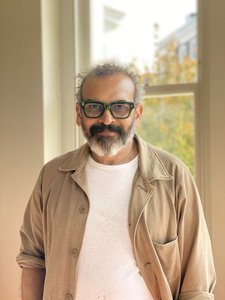
Subodh Gupta
1964 - , India
작가 정보 요약
- Full Name: Subodh Gupta
- Nationality: Indian
- Date Of Birth: 1964
- Place Of Birth: Khagol, India
- Notable Artworks:
- Rani
- The Other Thing (Chimta)
- High Life
- Artistic Movement Or Style: Contemporary art
- Artists Or Movements Influenced By This Artist: ['Bharti Kher']