메뉴 펼치기
무료 아트 컨설팅
미리보기미리보기 AR 미리보기AR 미리보기 수제 페인팅으로 전환하기 수제 페인팅으로 전환하기이미지로 전환 이미지로 전환 공유하기공유하기
상세 정보상세 정보 즐겨찾기에 추가 즐겨찾기에 추가 다운로드다운로드 유사 작품유사 작품 X-레이X-레이 슬라이드 쇼슬라이드 쇼

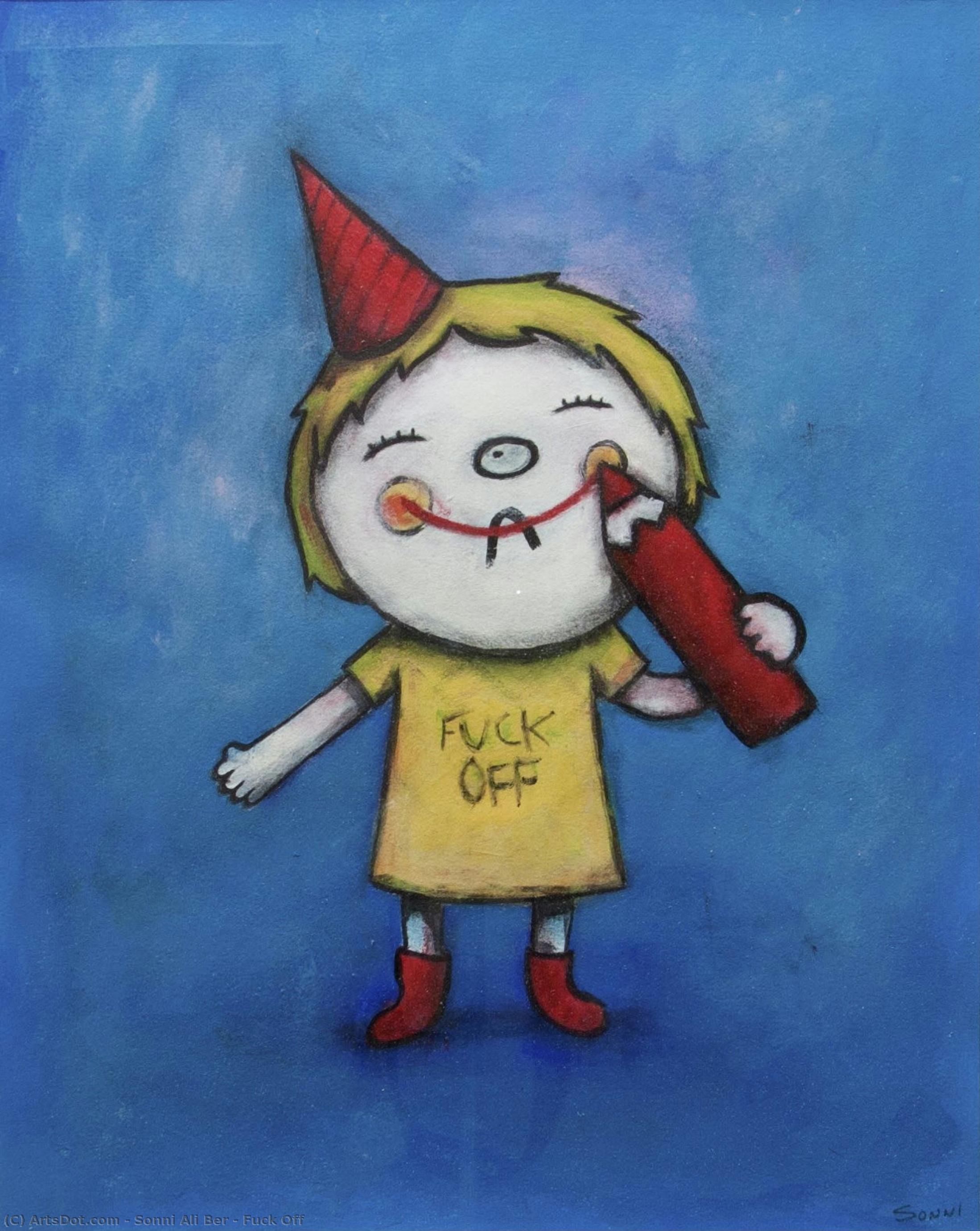
Fuck Off

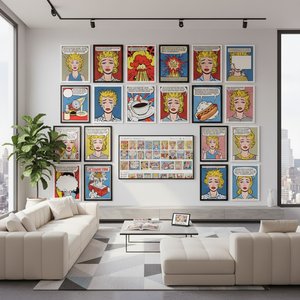
A striking acrylic painting by Sonni Ali Ber featuring a blonde girl with a birthday cake on her head and a defiant message, capturing the vibrant yet rebellious spirit of modern street art for your collection.

Explore the legacy of Sonni Ali Ber, a pivotal Songhai Empire monarch & military leader. Discover his empire's rise, artistic influence (Timbuktu Renaissance), and historical significance.

지클레 / 아트 프린트

빠른 제작과 다양한 마감 옵션을 제공하는 박물관 품질의 지클레이 또는 캔버스 프린트. (수제 페인팅으로 전환하기 수제 페인팅으로 전환하기이미지로 전환 이미지로 전환)

P118B $10
P118H $10
P118W $10
P438Z $10
P508JH $12
P508YH $12
P805H $10
P805Z $10
P919BZ $10
P919G $10
P919XJ $10
P959ZH $10
P968JZ $12
W106C $8
W218G $10
W218JH $8
W218Y $10
W307PJ $10
W316G $10
W316PJ $8
W316Y $10
W398PJ $8
W4111J $10
W500HY $15
W500JH $15
W692G $12
W849H $8
W940BG $15
W953PJ $8

Standard
custom
CM
INCH

작품의 원본 비율을 유지하는 미리 설정된 크기 중에서 선택하세요.

가로 너비
세로 길이

특정 프레임이나 공간에 맞춰 직접 치수를 입력하실 수 있습니다. 선택하신 사이즈가 원본 이미지의 비율과 일치하지 않을 경우, 작품을 크롭(자르기)하거나 이미지를 대칭 또는 단색 채우기로 확장하여 제작합니다. 제작 시작 전, 최종 확인을 위해 디지털 목업이 전송됩니다.
화면상의 미리보기는 실제 크롭이나 확장 상태를 반영하지 않으므로, 최종 구도는 오직 목업을 통해서만 정확하게 확인하실 수 있습니다.
맞춤 사이즈 제작도 가능하지만, 원본 비율을 유지하기 위해서는 사전 정의된 목록에서 치수를 선택하시는 것을 권장합니다.

전 세계 배송()은 일반적인 4~5주의 소요 기간 대신 2주 이내에 완료됩니다. (9 8월)

why_choose_icon
전 세계 무료 특급 배송
why_choose_icon
프리미엄 린넨 캔버스
why_choose_icon
전체 배송 보험 보장
why_choose_icon
관세 환불 보장
why_choose_icon
실제 색상 일치 보장
why_choose_icon
60일 이내 반품 정책 (제조 결함 시)
why_choose_icon
100% 환불 보장
why_choose_icon
다량 구매 할인 혜택

총 합계 금액

$ 80

reproduction

Fuck Off

지클레 / 아트 프린트

복제본 크기

-

최종 결제 금액

$ 80

작품 상세 설명

Sonni was part of a generation of artists who brought aesthetics from animation, illustration and graphic design to the streets in the aftermath of the 2001 crisis.One of the driving motivations of this art movement was to bring art to the streets which created a stark contrast with the suffocating negativity caused by political propaganda and activist graffiti. Artists brought colour and character art to the walls in an effort to disrupt to the monotony of politically charged messages. But whilst the colours they painted were bright and the characters appeared friendly, there was always an element of recognition that they were painting to oppose the hostile climate of the city. This gallery work by Sonni is a beautiful illustration of how people can force themselves to smile and appear happy whilst stifling their sadness and rage.

작가 약력

Rogier van der Weyden: The Soul of the Northern Renaissance

Rogier van der Weyden, born around 1399/1400 in Tournai, Belgium, and tragically dying in Brussels on June 18, 1464, stands as a towering figure in the history of art – arguably the most influential northern European painter of his era, with Jan van Eyck often cited as his closest rival. His legacy rests not just on technical mastery but on an unparalleled ability to imbue his works with profound emotional depth and psychological realism, qualities that profoundly shaped the trajectory of Northern Renaissance painting. He was initially known as Rogier de la Pasture, a name reflecting his humble origins as the son of a master cutler, a background that likely instilled in him a keen eye for detail and craftsmanship – skills he would later translate into breathtaking artistic achievement.

Early Life and Artistic Training

Van der Weyden’s childhood was steeped in the burgeoning mercantile culture of Tournai, a thriving center of trade and craftmanship. While precise details of his early education remain elusive, it's believed he received some form of instruction, possibly even a university education, preparing him for a life beyond the workshop. His artistic journey began not with grand ambition but through an apprenticeship under Robert Campin, the renowned master painter of Tournai – a figure often referred to as the Master of Flémalle. This association proved pivotal; Campin’s meticulous realism and use of atmospheric perspective provided Van der Weyden with a foundational understanding of composition, light, and shadow. The five years spent in Campin's workshop were crucial, allowing him to hone his skills and develop his own distinctive style, though initially mirroring the older master’s approach. It was during this period that he began to subtly introduce elements of his own burgeoning artistic vision – a sensitivity to human emotion and a desire for greater naturalism.

Influences and Artistic Development

Van der Weyden's artistic development wasn't solely shaped by Campin; the influence of Jan van Eyck, who visited Tournai in 1427, proved equally significant. Van Eyck’s revolutionary techniques – his mastery of oil paint, his meticulous attention to detail, and his ability to capture the subtle nuances of light and texture – profoundly impacted the young painter. While Rogier remained in Campin's workshop for five years, he likely encountered van Eyck’s work during this time, absorbing its innovative spirit. However, Van der Weyden didn’t simply imitate; he synthesized these influences with his own innate talent, forging a unique style characterized by an extraordinary level of psychological insight and emotional resonance. He moved to Bruges around 1432, where he spent several years, further refining his technique and establishing himself as a respected artist.

Key Works and Artistic Style

Van der Weyden’s oeuvre is remarkably diverse, encompassing both religious scenes and portraits – though the majority of his works are found within the realm of sacred subjects. His most celebrated paintings include *The Descent from the Cross* (National Gallery, London), a deeply moving depiction of Christ's fall from the cross, renowned for its emotional intensity and dramatic composition; *The Tribute Money* (Gemäldegalerie Alte Meister, Dresden), showcasing his masterful use of light and shadow to create a sense of realism and drama; and *Lady and Angel* (Kunsthistorisches Museum, Vienna), a poignant portrayal of Mary holding the infant Jesus, imbued with an almost unbearable tenderness. His style is characterized by a profound understanding of human anatomy, a meticulous attention to detail – from the folds of fabric to the texture of skin – and a remarkable ability to convey emotion through subtle gestures and expressions. He employed a pyramidal composition frequently, creating stability and drawing the viewer's eye towards the central figure.

Legacy and Historical Significance

Rogier van der Weyden’s influence extended far beyond his own lifetime. His works served as models for generations of artists, particularly in the Netherlands, Spain, and Italy. He is credited with establishing a new standard for realism and emotional expression in Northern Renaissance painting, paving the way for later masters such as Hans Holbein the Younger and Pieter Bruegel the Elder. His paintings were not merely decorative; they were imbued with theological significance and aimed to evoke profound spiritual contemplation in the viewer. Van der Weyden’s legacy endures today, not only through his surviving masterpieces but also through his profound impact on the development of Western art – a testament to the enduring power of his artistic vision and unparalleled skill. His work continues to be studied and admired for its emotional depth, technical brilliance, and lasting contribution to the canon of European art.
sonni ali ber

sonni ali ber

1464 - 1492 , Mali

주요 정보

  • Artistic Movement Or Style: Early Netherlandish art
  • Artists Or Movements Influenced By This Artist:
    • Flemish art
    • Northern Renaissance
  • Artists Who Influenced This Artist:
    • Robert Campin
    • Jan van Eyck
  • Date Of Birth: 1399/1400, Tournai
  • Date Of Death: June 18, 1464, Brussels
  • Full Name: Rogier de la Pasture
  • Nationality: Flemish
  • Notable Artworks:
    • St. Luke Drawing the Virgin
    • The Descent from the Cross
    • Polyopic Mirror
  • Place Of Birth: Tournai, Belgium