Pop Art/Conceptual art · 1962
Objectivity (솔 르윗, 1962)
솔 르윗 (1928–2007) 작가의 Objectivity 1962년에 제작되었습니다. Pop Art/Conceptual art 운동에 속합니다. Mixed Media(으)로 제작되었습니다. 크기는 128 × 128 cm입니다.
- 1962
- Mixed Media
- 128 × 128 cm

 미리보기

 수작업 유화 작품
 공유하기
 공유하기
 학습용 요약본


 다운로드
 유사 작품 더 보기
 X-레이
 슬라이드 쇼 보기
 질의응답

 통계 정보
Objectivity 요약
Objectivity은(는) 무엇을 묘사하고 있나요?
Objectivity by Sol LeWitt: A Grid of Conceptual Precision
Sol LeWitt's "Objectivity," created in 1962, is a seminal work within the realms of Minimalism and Conceptual Art. This striking piece challenges traditional notions of artistic representation, prioritizing idea and system over subjective expression or illusionistic depiction. Measuring an impressive 128 x 128 cm, it commands attention with its rigorous structure and deliberate repetition.
Composition and Technique: A Three-Dimensional Grid
"Objectivity" presents as a square canvas meticulously divided into a three-dimensional grid of twenty-five squares. Each row contains five squares across and five down. The word "OBJECTIVITY," rendered in bold blue capital letters, is repeated five times across the rows. However, it's not simply a straightforward repetition. Each square displays two letters – “OB,” “JE,” “CT,” and “IV” – with the rightmost squares completing the word “ITY.” A key element of the work lies in its layering: the top row projects outward from the canvas surface, while subsequent rows recede further back, creating a subtle illusion of depth. The background color shifts progressively from orange in the upper row to increasingly darker shades of red as one descends, contributing to a sense of diminishing visibility and an overall darkening effect.
Style and Historical Context: Minimalism and Conceptualism
“Objectivity” emerged during a pivotal period in art history. The late 1950s and early 1960s witnessed the rise of Minimal Art, which rejected Abstract Expressionism’s emphasis on gesture and emotion, favoring instead geometric forms, industrial materials, and a reduction to essential elements. Simultaneously, Conceptual Art began to gain momentum, prioritizing the idea behind the artwork over its physical manifestation. LeWitt's work brilliantly embodies both movements. "Objectivity" exemplifies Minimalism through its grid structure, precise geometry, and serial repetition. It aligns with Conceptualism by foregrounding the underlying concept – in this case, a meditation on objectivity itself – and minimizing the artist’s hand in the final product. The systematic nature of the piece reflects LeWitt's interest in mathematical principles and logical systems.
Symbolism and Emotional Impact: Questioning Perception
The title "Objectivity" is inherently provocative, given the work's visual complexity and layered construction. By repeatedly presenting the word within a receding grid, LeWitt seems to question the very notion of objective truth or perception. The darkening effect as one descends suggests that objectivity becomes increasingly elusive, obscured by layers of interpretation and perspective. The rigid structure can evoke feelings of detachment, artificiality, and even a subtle unease. While seemingly impersonal, "Objectivity" invites viewers to contemplate the complexities of seeing and understanding, prompting reflection on how our perceptions are shaped by context and distance.
Materials and Legacy
LeWitt utilized mixed media in “Objectivity,” primarily employing cardboard or similar rigid material painted with acrylics. The choice of materials reinforces the work's industrial aesthetic and its rejection of traditional artistic techniques. "Objectivity" remains a significant piece within LeWitt’s oeuvre, demonstrating his pioneering approach to artmaking and solidifying his place as a key figure in 20th-century art. Its influence can be seen in subsequent generations of artists exploring conceptual frameworks and systematic processes.
Objectivity의 고해상도 이미지
Protected by copyright: these files are for personal reference, not a licence to republish.
솔 르윗, Objectivity (1962).
Objectivity에 관한 질문과 답변
솔 르윗의 "Objectivity"은(는) 언제 제작되었나요?
"Objectivity"은(는) 1962년에 제작되었습니다. 이 시기는 솔 르윗의 예술적 경력과 당시의 시대상을 잘 보여줍니다.
솔 르윗의 "Objectivity"에는 어떤 기법이 사용되었나요?
"Objectivity"은(는) Mixed Media 기법으로 제작되었습니다.
원작 솔 르윗의 "Objectivity"의 크기는 어떻게 되나요?
"Objectivity" 원작의 크기는 128 x 128 cm입니다. 원작의 규격은 복제본 사이즈를 선택하실 때 유용한 참고 자료가 됩니다.
솔 르윗의 "Objectivity"에는 어떤 모습이 담겨 있나요?
솔 르윗의 "Objectivity"에 담긴 주제: grid, text, minimalism, conceptual, repetition, objectivity, geometric
솔 르윗의 "Objectivity"의 이미지를 자유롭게 복제할 수 있나요?
솔 르윗의 "Objectivity"은(는) 저작권 보호 대상입니다 상태입니다. 이 상태에 따라 해당 작품 이미지의 복제 가능 여부가 결정됩니다.
"Objectivity"은(는) 어느 작가의 작품인가요?
"Objectivity"의 작가는 솔 르윗입니다. 이 작품은 솔 르윗의 이름으로 등록되어 있습니다.
솔 르윗의 "Objectivity"은(는) 어떤 미술 사조에 속하나요?
솔 르윗의 "Objectivity"과(와) 관련된 미술 사조는 Pop Art/Conceptual art입니다. 이러한 분류를 통해 해당 작품을 관련 작가 및 예술 작품들과 함께 파악할 수 있습니다.
Objectivity은(는) 솔 르윗의 예술적 여정 중 어느 시기의 작품인가요?
"Objectivity"은(는) 솔 르윗의 예술적 생애 중 Mature Period 시기의 작품입니다. 이 분류를 통해 해당 작품을 작가의 예술적 발전 과정과 연결해 볼 수 있습니다.
"Objectivity"이(가) 제작될 당시 솔 르윗의 나이는 몇 세였나요?
솔 르윗은(는) 34세에 "Objectivity"을(를) 제작했습니다. 작가는 1928년에 태어났으며, 이 작품의 제작 연도는 1962년입니다.
아티스트 솔 르윗 소개

1928–2007, 미국
솔 르윗
아이디어의 건축가: 솔 르윗의 삶과 유산 20세기 모더니즘이라는 광활한 풍경 속에서 솔로몬 르윗만큼 길고도 지적으로 심오한 그림자를 드리운 인물은 드뭅니다. 1928년 9월 9일, 미국 코네티컷주 하트퍼드에서 러시아계 유대인 이민자 가정의 아들로 태어난 르윗의 여정은 단순한 물리적 실행을 넘어 순수한 사유를 추구하는 과정이었습니다. 그의 어린 시절은 엄격한 분석적 호기심으로 채워졌으며, 이는 1945년부터 1949년까지 시라큐스 대학교에서 보낸 학업을 통해 더욱 깊어졌습니다. 수학과 기하학에 기반한 이 학문적 토대는 훗날 그의 예술적 언어의 심장 박동이 되었고, 전통 예술의 장식적인 과잉을 걷어내어 논리와 구조가 지닌 골격의 아름다움을 드러낼 수 있게 해주었습니다.
솔 르윗의 다른 작품들
 Serial Project #1 ABCD1966
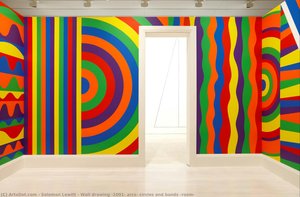 Wall drawing #1091: arcs, circles and bands (room)2003
 Distorted Cubes Bozuk Küpler
 Wall Drawing #3911983
Objectivity 관련 에세이
 Geometry with Purpose: Distinguishing Suprematism from ConstructivismMaster the differences between Suprematism and Constructivism with our expert guide. Discover the soul of the Russian avant-garde now.
 Beyond the Object: Top 10 Masterpieces of Conceptual ArtExplore 10 iconic works of Conceptual Art by Duchamp and Ono. Discover the power of ideas on OriginalUniqueArt.com.
 Expressionism vs. New Objectivity: Emotion vs. Precision in German ArtMaster the tension between Expressionist emotion and New Objectivity precision. Explore the soul of German modern art now.