Renaissance · 1550
Self-Portrait (소포니스바 안귀솔라, 1550)
소포니스바 안귀솔라 (1532–1625) 작가의 Self-Portrait 1550년에 제작되었습니다. Renaissance 운동에 속합니다. Oil On Canvas(으)로 제작되었습니다. 밀라노, 이탈리아에 위치한 Museo Poldi Pezzoli에 소장되어 있습니다. 크기는 45 × 34 cm입니다.
- 1550
- Oil On Canvas
- 45 × 34 cm
- Museo Poldi Pezzoli, 밀라노

 미리보기

 수작업 유화 작품
 공유하기
 공유하기
 학습용 요약본


 다운로드
 유사 작품 더 보기
 X-레이
 슬라이드 쇼 보기
 질의응답

 통계 정보
Self-Portrait 요약
- 제목
- Self-Portrait
- 작가
- 소포니스바 안귀솔라 (1532–1625)
- 작가 출생지
- 크레모나, 이탈리아
- 제작 연도
- 1550
- 매체
- Oil On Canvas
- 크기
- 45 × 34 cm
- 전시 장소
- Museo Poldi Pezzoli, 밀라노, 이탈리아
- 운동성
- Renaissance
- 주제
- renaissance portrait, female artist, self-portraiture, classical art, oil painting, 16th century
Self-Portrait은(는) 무엇을 묘사하고 있나요?
A Renaissance Pioneer’s Intimate Gaze: Sofonisba Anguissola's "Self-Portrait"
Sofonisba Anguissola’s “Self-Portrait” (1554), a miniature masterpiece housed within the confines of a delicate oval frame, isn’t merely a depiction of a woman; it’s an audacious declaration of artistic agency and a window into the remarkably progressive world of 16th-century Italy. Painted in oil on canvas with meticulous detail, this work transcends the typical portraiture of its time, establishing Anguissola as one of the first female artists to consciously assert her presence as both subject *and* artist – a revolutionary concept that challenged deeply ingrained societal expectations. The painting immediately draws the viewer into a quiet moment of contemplation; the sitter, likely Anguissola herself, gazes directly out with an expression of serene confidence, a subtle hint of intelligence and perhaps even a touch of playful self-awareness. Her dark hair is arranged in a sophisticated style, framing her face with elegant precision, while her clothing – a simple yet richly colored gown – speaks to both her status and the burgeoning artistic trends of the era. The soft lighting, diffused as if from an indoor window, lends a sense of intimacy and warmth to the scene, highlighting the delicate textures of her skin and fabric.A Revolutionary Technique: Layered Realism and Renaissance Influence
The painting’s technical brilliance lies in Anguissola's masterful command of oil paint. She employs a layering technique—building up form through numerous thin, translucent brushstrokes—to create an astonishingly realistic representation of the human figure. Notice how she captures the subtle nuances of light and shadow on her face, the delicate folds of her dress, and the texture of her hair with remarkable accuracy. This meticulous attention to detail wasn’t simply about replicating reality; it was a deliberate choice to showcase her skill and elevate herself within a male-dominated artistic landscape. The influence of Renaissance portraiture is undeniable – the balanced composition, the idealized beauty of the subject, and the use of classical motifs all point to this lineage. However, Anguissola subtly subverts these conventions by centering the gaze directly on the viewer, inviting an unprecedented level of engagement and personal connection. The muted color palette—dominated by browns, blacks, and subtle golds—contributes to a sense of understated elegance and timelessness.A Story Within a Portrait: Bernardino Campi and the Dynamics of Representation
What truly elevates “Self-Portrait” beyond a conventional likeness is its intriguing narrative – the presence of Bernardino Campi, a fellow painter, depicted in the background as he paints Anguissola. This isn’t merely a backdrop; it's a complex interplay of roles and power dynamics. Anguissola has positioned herself as both the subject *and* the model, effectively controlling the image from within. The composition subtly shifts the viewer’s perspective, placing us in the position of the artist observing his work – a clever maneuver that challenges traditional notions of artistic representation. As art historians like Whitney Chadwick have noted, this piece represents “the first example of the woman artist consciously collapsing the subject-object position,” demonstrating Anguissola's innovative approach to self-portraiture and her assertion of agency within the art world. The inclusion of Campi further emphasizes this dynamic, suggesting a collaborative yet ultimately controlled artistic process.Historical Context: A Woman Breaking Barriers in Renaissance Italy
Sofonisba Anguissola’s story is inextricably linked to the broader context of 16th-century Italy – a period marked by both remarkable artistic innovation and deeply entrenched social inequalities. Her upbringing, nurtured by her father's commitment to providing her with a comprehensive education encompassing art, music, and literature, was exceptionally rare for a woman of her time. This early exposure to the arts laid the foundation for her extraordinary career. Anguissola’s journey from a relatively modest background to becoming one of the most celebrated female painters of the Renaissance is itself a testament to her talent, determination, and the evolving attitudes towards women in art. Her travels to Rome and Milan, where she gained recognition for her skill and artistry, paved the way for her later success at the Spanish court, solidifying her place as a pioneering figure in European art history.Collecting an Icon: A Reproduction of Timeless Beauty
Today, “Self-Portrait” stands as a powerful symbol of female artistic achievement and a captivating example of Renaissance portraiture. Reproductions offer a wonderful opportunity to bring this iconic work into your home or office, allowing you to appreciate its intricate details and profound symbolism. When selecting a reproduction, consider the quality of materials and printing techniques – ensuring that the colors accurately reflect the original painting’s nuanced palette and that the texture of the brushstrokes is faithfully reproduced. A high-quality print will not only serve as a beautiful decorative object but also as a reminder of Sofonisba Anguissola's groundbreaking legacy and her enduring contribution to the world of art.Self-Portrait은(는) 어느 미술관에 소장되어 있나요?
Museo Poldi Pezzoli
밀라노, 이탈리아
밀라노의 꿈이 깃든 궁전: 폴디 페촐리 박물관의 영혼 폴디 페촐리 박물관의 문턱을 넘는 것은 밀라노의 현대적인 소란을 뒤로하고 정교하게 설계된 꿈의 풍경 속으로 들어서는 일과 같습니다. 이곳은 개인 저택과 공공 갤러리의 경계가 허물어지는 성소와도 같습니다. 비아 만조니에 위치한 우아한 팔라초 내부에 자리 잡은 이 저택형 박물관은 설립자인 잔 자코모 폴디 페촐리의 독보적인 열정을 보여주는 깊은 증거입니다.


Self-Portrait의 고해상도 이미지
소포니스바 안귀솔라, Self-Portrait (1550), Museo Poldi Pezzoli. 퍼블릭 도메인
Self-Portrait에 관한 질문과 답변
소포니스바 안귀솔라의 "Self-Portrait"의 원화는 어디에서 감상할 수 있나요?
Self-Portrait의 원작은 Museo Poldi Pezzoli, 밀라노, 이탈리아에서 만나보실 수 있습니다.
소포니스바 안귀솔라의 "Self-Portrait"은(는) 언제 제작되었나요?
소포니스바 안귀솔라의 "Self-Portrait"은(는) 1550년에 제작되었습니다.
소포니스바 안귀솔라의 "Self-Portrait"의 기법은 무엇인가요?
소포니스바 안귀솔라의 "Self-Portrait"의 재료는 Oil On Canvas입니다. 복제화는 이 기법 특유의 질감을 그대로 구현하는 것을 목표로 합니다.
소포니스바 안귀솔라의 "Self-Portrait"의 실제 크기는 어떻게 되나요?
소포니스바 안귀솔라의 "Self-Portrait"의 원작 크기는 45 x 34 cm입니다. 복제화는 동일한 비율을 유지하면서 다른 크기로도 주문 가능합니다.
소포니스바 안귀솔라의 "Self-Portrait"에는 어떤 소재가 등장하나요?
소포니스바 안귀솔라의 "Self-Portrait"에 나타난 주제로는 renaissance portrait, female artist, self-portraiture, classical art, oil painting, 16th century, european art 등이 있습니다. 이들은 모여 작품의 소재를 요약해 보여줍니다.
"Self-Portrait"은(는) 저작권으로부터 자유로운가요?
소포니스바 안귀솔라의 "Self-Portrait"은(는) 퍼블릭 도메인 - 저작권 보호 기간이 만료되었습니다 상태입니다. 이 상태에 따라 해당 작품 이미지의 복제 가능 여부가 결정됩니다.
"Self-Portrait"의 작가는 누구인가요?
"Self-Portrait"의 작가는 소포니스바 안귀솔라입니다.
소포니스바 안귀솔라의 "Self-Portrait"은(는) 어떤 미술 사조에 속하나요?
"Self-Portrait"은(는) Renaissance 양식의 작품입니다. 이 사조는 해당 작품이 속한 예술적 전통을 나타냅니다.
"Self-Portrait"은(는) 소포니스바 안귀솔라의 예술적 발전 단계 중 어느 시기를 나타냅니까?
"Self-Portrait"은(는) 소포니스바 안귀솔라의 예술적 생애 중 Mature Renaissance 시기의 작품입니다. 이 분류를 통해 해당 작품을 작가의 예술적 발전 과정과 연결해 볼 수 있습니다.
아티스트 소포니스바 안귀솔라 소개

1532–1625, 이탈리아
소포니스바 안귀솔라
르네상스의 빛: 소포니스바 앙귀솔라의 삶과 예술 소포니스바 앙귀솔라는 16세기 이탈리아의 역동적인 예술적 풍경 속에서 진정한 선구자로 등장하여, 사회적 관습에 도전하고 르네상스 시대 가장 찬란하게 빛나는 여성 화가 중 한 명으로 자리매김했습니다. 1532년경 크레모나에서 아밀카레 앙귀솔라와 비앙카 폰조니 사이에서 태어난 그녀는 당대 여성으로서는 이례적일 만큼 진보적인 양육 환경의 혜택을 받았습니다. 그녀의 아버지는 소포니스바, 엘레나, 루치아, 에우로파 등 딸들이 지닌 탁월한 예술적 재능을 알아보고, 라틴어와 음악, 그리고 무엇보다 중요한 드로잉을 포함한 인문주의 교육을 제공함으로써 당시의 관습을 거슬렀습니다. 자녀들의 지적, 창의적 발전에 대한 이러한 헌신은 혁명적이었으며, 소포니스바가 위대한 경력을 쌓을 수 있는 토대가 되었습니다.
소포니스바 안귀솔라의 다른 작품들
 체스를 두는 화가의 자매들 초상화1555
 Three children with dog1590
 Self-portrait aged 781610
 Portrait of Queen Elisabeth of Spain1599
Self-Portrait 관련 에세이
 Spontaneity and Matter: Distinguishing CoBrA from Art InformelMaster the differences between CoBrA and Art Informel with our expert guide. Learn to identify these post-war movements today.
 Tactile Traditions: Exploring the Beauty of Hair Texture in Impressionist and Contemporary ArtExplore the sensory depth of Impressionist impasto and texture through Renoir and Chiacchio. Discover the soul of the brushstroke today.
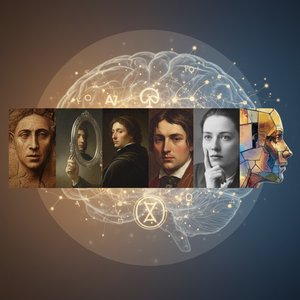 Reflecting the Self: A History of Portraiture & Psychological InsightExplore the fascinating history of self-portraiture from Renaissance masters like Dürer & Rembrandt to modern interpretations. Discover the…