프린트 판매로 전환
 더 보기
더 보기







































 가로 또는 세로 중 어느 한 면이라도 105cm(약 41인치)를 초과하는 작품이나 복제화의 경우, 프레임은 분해된 키트 형태로 배송됩니다. 이는 안전한 배송을 보장하고 운송 중 발생할 수 있는 손상을 방지하기 위함입니다.


A Visionary of Cookham: Exploring Sir Stanley Spencer’s “The Violinist”
Sir Stanley Spencer (1891-1959) remains an artist whose singular vision continues to fascinate and inspire. Born in the tranquil village of Cookham, Berkshire – a place he famously termed "a village in heaven" – Spencer's artistic journey was inextricably linked to this idyllic landscape, shaping his distinctive style and thematic preoccupations. His canvases aren’t merely representations of reality; they are imbued with a profound spirituality, reflecting biblical narratives interwoven seamlessly into the fabric of everyday life, as powerfully demonstrated in “The Violinist.” This striking portrait transcends mere depiction, offering a glimpse into Spencer's deeply held beliefs and his masterful technique.Subject Matter & Composition
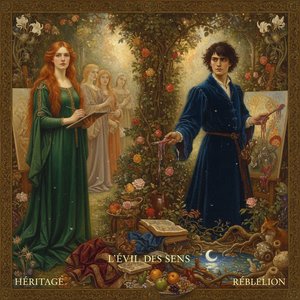
“The Violinist,” completed in 1925, portrays a man seated at a piano, passionately engaged in playing the instrument. Alongside him is a woman, presumably his wife Constance Spencer, gazing intently at the musician. The scene unfolds within a domestic interior bathed in soft light—a characteristic element of Spencer’s oeuvre—emphasizing intimacy and familial connection. Notably absent are any extraneous figures or distractions; the focus remains squarely on the performers and their immediate surroundings, mirroring the artist's desire to distill essence into form. This deliberate simplicity contributes significantly to the painting’s emotional resonance.Style & Technique: Pre-Raphaelite Detail Meets Biblical Narrative
Spencer’s artistic style is undeniably rooted in the Pre-Raphaelites, inheriting their meticulous attention to detail and luminous color palettes. However, unlike many of his contemporaries, Spencer didn't simply emulate stylistic conventions; he repurposed them to convey profound spiritual ideas. He achieved this remarkable feat through a technique that combined painstaking observation with imaginative embellishment. Spencer employed glazing—a layering process where thin translucent washes of pigment are applied over underlying layers—to create depth and luminosity, capturing the subtle nuances of light and shadow within the room. The resulting surface possesses an ethereal quality, mirroring the artist’s belief in divine presence permeating earthly existence.Historical Context & Symbolism
“The Violinist” emerged during a period marked by burgeoning interest in psychoanalysis and spiritual renewal following World War I. Spencer's work reflects this cultural zeitgeist, exploring themes of faith, family, and human experience with unflinching honesty. The violin itself serves as a potent symbol—representing harmony, beauty, and artistic expression—while simultaneously referencing biblical references to instruments played during Christ’s ministry. The woman beside the violinist embodies maternal tenderness and unwavering support, reinforcing Spencer's conviction in the sanctity of domestic life and familial bonds.Emotional Impact & Legacy
Ultimately, “The Violinist” transcends its formal elements to evoke a powerful emotional response. It captures a moment of quiet contemplation—a communion between husband and wife—infused with an underlying sense of serenity and spiritual aspiration. Spencer’s ability to transform ordinary scenes into canvases brimming with symbolic significance solidified his reputation as one of Britain's most distinctive artists. His enduring influence can be seen in the work of subsequent generations of painters, who continue to grapple with themes of faith, memory, and the transformative power of art—a legacy beautifully encapsulated within this unforgettable portrait.질의응답
"The Violinist"의 Pre-Raphaelite Revival 양식에는 어떤 정서적 어조가 담겨 있나요?
"The Violinist"의 Tranquil한 정서는 Pre-Raphaelite Revival 양식과 조화를 이룹니다.
스탠리 스펜서 경의 "The Violinist"을(를) 어떤 용도로 활용하기에 좋을까요?
스탠리 스펜서 경의 "The Violinist"은(는) Accent(으)로 활용하시기에 가장 좋습니다. 그 외에도 다양한 용도로 사용하실 수 있습니다.
스탠리 스펜서 경의 "The Violinist"의 기법은 무엇인가요?
"The Violinist"은(는) Acrylic On Canvas 기법으로 제작되었습니다.
이 작품에 대해 더 알아보기
 미리보기
미리보기
 공유하기
공유하기 공유하기
공유하기
 상세 정보
상세 정보 가이드 보기

 다운로드
다운로드
 유사 작품 더 보기
 X-레이
X-레이 슬라이드 쇼 보기
 질의응답
질의응답 통계 정보
통계 정보