메뉴
Text size

() ·

A painting made for you, by hand

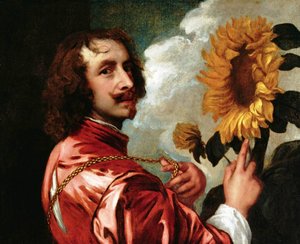
Self-Portrait

핸드메이드 유화 복제화

작가가 직접 캔버스에 손으로 그린 유화 작품으로, 원하는 크기와 액자로 맞춤 제작해 드립니다. ( 프린트 판매로 전환 디지털 이미지 판매 채널로 전환)

컬렉션 상세 정보

Admire Sir Anthony van Dyck’s ‘Self-Portrait,’ a captivating Baroque masterpiece showcasing his elegance and skill. Explore the life & artistry of the Flemish court painter at OriginalUniqueArt.com.

작가 소개

앤서니 반 디크는 바로크 시대의 가장 위대한 초상화가로 인정받으며 플라워스 왕국 예술의 황금기를 이끌었습니다. 루벤스와 협력하며 독특한 화풍을 발전시키고 특히 엘리자베스 여왕과 그의 후손들을 그린 작품으로 영국의 미술사에 큰 영향을 미쳤습니다. 그는 뛰어난 기법과 섬세한 표현으로 오랫동안 기억될 것입니다.

from ·

Chapter 1

How large should it be?

Slide to change the size; the picture on the left shows the frame at its real width. The proportions of the original are kept.

표준 규격
맞춤 제작
CM
INCH

작품의 원본 비율을 그대로 유지하는 프리셋 사이즈 중에서 선택해 보세요.

가로 너비
높이

액자나 벽면 크기에 맞춰 필요한 가로와 세로 길이를 입력해 주세요. 본 작품은 수작업으로 제작되므로, 요청하신 비율에 따라 작가가 그림의 가장자리를 조금 더 넓게 그리거나 일부를 조정하여 작업할 수 있습니다. 작업 시작 전, 최종 확인을 위해 디지털 목업 이미지를 보내드립니다. 이 페이지에 표시된 이미지는 실제 결과물과 다를 수 있으며, 오직 목업 이미지만이 정확한 결과물을 보여줍니다.

Chapter 2

How should it arrive?

Choose the edges of the stretched canvas

Choose your frame

Corner sample of the WhiteWrap canvas edge finish, stretched on 원목 bars
White ₩1
Corner sample of the BlurSideWrap canvas edge finish, stretched on 원목 bars
Blurside ₩1
Corner sample of the ExtendedWrap canvas edge finish, stretched on 원목 bars
Extended ₩1
Corner sample of the P118B picture frame: 성형 폴리스티렌, 5 cm wide and 3 cm thick
P118B ₩10
Corner sample of the P118H picture frame: 성형 폴리스티렌, 5 cm wide and 3 cm thick
P118H ₩10
Corner sample of the P118W picture frame: 성형 폴리스티렌, 5 cm wide and 3 cm thick
P118W ₩10
Corner sample of the P438Z picture frame: 성형 폴리스티렌, 5.5 cm wide and 3.5 cm thick
P438Z ₩10
Corner sample of the P508JH picture frame: 성형 폴리스티렌, 7 cm wide and 3.5 cm thick
P508JH ₩12
Corner sample of the P508YH picture frame: 성형 폴리스티렌, 7 cm wide and 3.5 cm thick
P508YH ₩12
Corner sample of the P805H picture frame: 성형 폴리스티렌, 5 cm wide and 3.5 cm thick
P805H ₩10
Corner sample of the P805Z picture frame: 성형 폴리스티렌, 5 cm wide and 3.5 cm thick
P805Z ₩10
Corner sample of the P919BZ picture frame: 성형 폴리스티렌, 7 cm wide and 3.5 cm thick
P919BZ ₩10
Corner sample of the P919G picture frame: 성형 폴리스티렌, 7 cm wide and 3.5 cm thick
P919G ₩10
Corner sample of the P919XJ picture frame: 성형 폴리스티렌, 7 cm wide and 3.5 cm thick
P919XJ ₩10
Corner sample of the P959ZH picture frame: 성형 폴리스티렌, 5 cm wide and 3 cm thick
P959ZH ₩10
Corner sample of the P968JZ picture frame: 성형 폴리스티렌, 6 cm wide and 4 cm thick
P968JZ ₩12
Corner sample of the W106C picture frame: 원목, 5 cm wide and 3 cm thick
W106C ₩8
Corner sample of the W218G picture frame: 원목, 5 cm wide and 3 cm thick
W218G ₩10
Corner sample of the W218JH picture frame: 원목, 5 cm wide and 3 cm thick
W218JH ₩8
Corner sample of the W218Y picture frame: 원목, 5 cm wide and 3 cm thick
W218Y ₩10
Corner sample of the W307PJ picture frame: 원목, 6 cm wide and 3 cm thick
W307PJ ₩10
Corner sample of the W316G picture frame: 원목, 6 cm wide and 3 cm thick
W316G ₩10
Corner sample of the W316PJ picture frame: 원목, 6 cm wide and 3 cm thick
W316PJ ₩8
Corner sample of the W316Y picture frame: 원목, 6 cm wide and 3 cm thick
W316Y ₩10
Corner sample of the W398PJ picture frame: 원목, 5 cm wide and 3 cm thick
W398PJ ₩8
Corner sample of the W4111J picture frame: 원목, 6.5 cm wide and 3.5 cm thick
W4111J ₩10
Corner sample of the W500HY picture frame: 원목, 7 cm wide and 5 cm thick
W500HY ₩15
Corner sample of the W500JH picture frame: 원목, 7 cm wide and 5 cm thick
W500JH ₩15
Corner sample of the W692G picture frame: 원목, 8 cm wide and 4 cm thick
W692G ₩12
Corner sample of the W849H picture frame: 원목, 5 cm wide and 3 cm thick
W849H ₩8
Corner sample of the W940BG picture frame: 원목, 7.5 cm wide and 4.5 cm thick
W940BG ₩15
Corner sample of the W953PJ picture frame: 원목, 6 cm wide and 3.5 cm thick
W953PJ ₩8
Corner sample of the H24-GOLD picture frame: 젯소 처리를 한 조각 목재, 10 cm wide and 6 cm thick
H24-GOLD ₩30
Corner sample of the H24-SILVER picture frame: 젯소 처리를 한 조각 목재, 10 cm wide and 6 cm thick
H24-SILVER ₩30
Corner sample of the H36-GOLD picture frame: 젯소 처리를 한 조각 목재, 15 cm wide and 6.5 cm thick
H36-GOLD ₩45
Corner sample of the H36-SILVER picture frame: 젯소 처리를 한 조각 목재, 15 cm wide and 6.5 cm thick
H36-SILVER ₩45
액자 미리보기 이미지
액자형

Moulding: . Overall size with the frame: .

Chapter 3

Who paints it, and should anything change?

Examples of what can be changed: Replace face with customer photo; Add pet (e.g., replace cat with dog); Include hidden message in background; Change background landscape or elements.
After order, OriginalUniqueArt.com team will email client for instructions and provide a mockup preview

전 세계 배송()은 표준 5주 대신 3~4주 내에 완료됩니다. (31 10월). 품질에는 어떠한 타협도 하지 않습니다.

Chapter 4

The finishing touches

A nameplate, as in a museum?

동판 각인 상세 정보

This elegant plaque features the artist's name and the title of the artwork, finely engraved for a timeless presentation.

It is made from bronze with a refined, elegant finish. The text is precisely laser-engraved for a sharp and permanent result. Measuring 9x2 cm, the plaque is compact yet easy to read. It's built to be durable and scratch-resistant, offering a professional, museum-quality look. Mounting is simple thanks to the included adhesive backing.

투명 아크릴 명판 상세 정보

The plaque includes essential engraved details such as the artist's name, the title of the artwork, the date it was created, the type of media used-like oil on canvas or watercolor-a brief description of the piece, and a QR code that links to the complete artwork information.

It is crafted from clear acrylic, offering a sleek, modern appearance. The text is UV-engraved in black to ensure strong visual contrast. With a size of 10x15 cm, it ensures optimal readability. It comes equipped with two metal hooks for secure wall mounting. The plaque is designed to be weather-resistant, making it suitable for various environments, and it includes interactive features that work seamlessly with smartphone scanning.

블랙 아크릴 명판 상세 정보

This elegant plaque includes engraved information such as the artist's name, the title of the artwork, the date it was created, the type of media used (like oil on canvas or watercolor), a short description of the artwork, and a QR code for quick access to more information.

The plaque itself is made from refined black acrylic with a premium finish. The text is laser-engraved in white for high contrast and readability. Its size is 10x15 cm, designed to be easy to read. It comes with two metal hooks for professional mounting. The design is sleek and fits any interior style. It is also weather-resistant and durable, with built-in digital integration for mobile compatibility.

A protective varnish?

When do you need it?

Chapter 5

Your painting, as you ordered it

Self-Portrait

재현 매체

복제본 규격

-

최정상급 시니어 아티스트

더욱 세밀한 묘사와 정교함, 그리고 충분한 제작 시간

-

복제화 액자 옵션

-

-

가로 또는 세로 중 어느 한 면이라도 105cm(약 41인치)를 초과하는 작품이나 복제화의 경우, 프레임은 분해된 키트 형태로 배송됩니다. 이는 안전한 배송을 보장하고 운송 중 발생할 수 있는 손상을 방지하기 위함입니다.

전문가 조립 권장 - 본 제품은 DIY용이 아닙니다.
해당 키트는 숙련된 전문 프레임 제작자가 목공용 풀(별도 구매), 캔버스 스트레칭 플라이어 및 풀이 마르는 동안 나무 틀의 수평을 유지할 클램프를 사용하여 캔버스를 팽팽하게 고정하고 조립해야 합니다. 잘못된 조립이나 불균형한 캔버스 장력은 작품에 영구적인 손상을 입힐 수 있으며, 이로 인한 손상은 보증 범위에 포함되지 않습니다.

  • 모든 고형목재 부재가 포함되어 있으며, 정확한 크기로 정밀하게 재단되었습니다.

  • 제공된 나사를 사용하여 조립하며, 모서리 접합부용 목공용 풀은 포함되어 있지 않으므로 제작자께서 별도로 준비해 주셔야 합니다.

  • 전문가용 도구가 필요하며 키트에 포함되어 있지 않습니다: 캔버스 스트레칭 플라이어(텐셔너)와 접착제가 마르는 동안 나무 틀의 수평을 유지하기 위한 클램프가 필요합니다.

주의사항:
모서리 접합부에는 목공용 풀이 필요하며, 풀이 완전히 마를 때까지 클램프로 바(bar)를 고정해야 합니다. 또한 조립된 프레임에 캔버스를 팽팽하게 당기려면 캔버스 스트레칭 플라이어가 필요합니다. 이 제품들 중 어느 것도 키트에 포함되어 있지 않습니다. 이 사이즈를 주문하시기 전에 숙련된 전문 액자 제작업체를 미리 섭외하시기 바랍니다.

캡션

-

-

보호용 바니시

유광 바니시(색감을 선명하게 하며 빛과 습기로부터 보호함)

-

내 작품 맞춤 설정

변경 가능한 예시: 얼굴을 고객의 사진으로 교체, 반려동물 추가(예: 고양이를 강아지로 변경), 배경에 숨겨진 메시지 삽입, 배경 풍경 또는 요소 변경.

-

긴급 배송

전 세계 배송()은 기존 5주의 표준 기간 대신 3~4주 내에 완료됩니다. (31 10월). 품질에는 어떠한 타협도 하지 않습니다.

-

빠른 배송

지역 일반 배송: 약 5주 소요 (7 11월).

기본 배송비 포함

총 결제 금액

₩ 407916

총 결제 금액 ₩ 407916

유리 옵션은 110cm 미만 크기에서만 선택 가능합니다.

Included with every order

  • 전 세계 무료 특급 배송
  • 고품질 린넨 캔버스
  • 배송 전 과정 보험 적용
  • 관세 환급 보장 서비스
  • 원본 색상 일치 보장
  • 제조 결함 발견 시 100일 이내 반품 가능
  • 100% 환불 보장
  • 다량 구매 할인 혜택

A Portrait of Power and Grace: Sir Anthony van Dyck’s Self-Portrait

Sir Anthony van Dyck's 1632 self-portrait offers an intimate glimpse into the mind of one of the most celebrated portraitists of the Baroque era. More than a simple likeness, this painting is a carefully constructed statement about artistic identity, ambition, and the burgeoning confidence of a rising star. Measuring a modest 79 x 62 cm, it’s deceptively rich in detail – a testament to van Dyck's meticulous technique and his profound understanding of human form and expression. The blurred background immediately draws the eye to the central figure, emphasizing his presence and inviting us into a private moment.

Van Dyck, born in Antwerp in 1599, rapidly ascended through the ranks of Flemish art, initially apprenticed under Hendrick van Balen before finding his true voice under the tutelage of Peter Paul Rubens. This formative period instilled within him a deep appreciation for dynamic composition, vibrant color palettes, and masterful use of light – elements that would become hallmarks of his distinctive style. However, unlike Rubens’ often theatrical grandeur, Van Dyck cultivated an elegance and refinement, a subtle sophistication that quickly established him as the premier court painter in England.

The Anatomy of Confidence: Style and Technique

Painted during a pivotal period of his career – just before he secured his position at Charles I's court – this self-portrait reveals much about Van Dyck’s artistic approach. Note the remarkably realistic depiction of his features, achieved through careful observation and an understanding of anatomy gleaned from extensive study. The slightly turned head, with its direct gaze towards the viewer, conveys a sense of quiet authority and engagement. His meticulously rendered beard, a fashionable trend at the time, adds to the image’s dignified composure.

Van Dyck's mastery lies not just in his ability to capture likeness but also in his skillful manipulation of light and shadow. The soft, diffused lighting creates a sense of depth and volume, highlighting the contours of his face and clothing. The subtle gradations of tone – from the dark shadows beneath his chin to the highlights on his forehead – contribute significantly to the painting’s overall atmosphere of serenity and self-assuredness. He employed a technique known as *sfumato*, borrowed from Leonardo da Vinci, creating hazy outlines that soften edges and add an ethereal quality.

Symbolism and Context: A Royal Portraitist

The black shirt worn by Van Dyck is significant; it was the color of choice for court painters at the time, signifying their status and connection to royalty. The rope around his neck, a seemingly simple detail, could be interpreted as a subtle reference to mortality – a poignant reminder of the artist’s own fleeting existence. It's also possible that it represents the burdens and responsibilities associated with his prestigious position.

This self-portrait was created during a period of immense artistic and political change in England. Charles I, who commissioned many of Van Dyck’s portraits, sought to project an image of strength and stability – qualities reflected in the artist's carefully crafted depiction of himself. Van Dyck’s success at court solidified his reputation as a leading figure in English art, influencing generations of portrait painters to come. The painting stands as a powerful symbol of artistic ambition, personal identity, and the enduring legacy of one of the Baroque era’s greatest talents.

Bringing Van Dyck's Vision Home: A Hand-Painted Reproduction

OriginalUniqueArt offers exquisite, hand-painted reproductions of Sir Anthony van Dyck’s “Self-Portrait.” Each reproduction is meticulously crafted by skilled artists who have painstakingly studied the original, ensuring an unparalleled level of accuracy and detail. Unlike digital prints, our hand-painted reproductions capture the nuances of Van Dyck's technique – the subtle gradations of light, the delicate brushstrokes, and the overall atmosphere of elegance and grace. Whether you’re a seasoned art collector or simply seeking to add a touch of Baroque sophistication to your interior design, a OriginalUniqueArt reproduction of this iconic portrait is an investment in timeless beauty and artistic excellence.

Explore the full artwork details and order your hand-painted reproduction today: Click Here

질의응답

"Self-Portrait"의 작가는 누구이며, 어떤 사조에 속하나요?

앤서니 반 디크은(는) Baroque Portraiture 운동의 흐름 속에서 "Self-Portrait"을(를) 제작했습니다.

"Self-Portrait"은(는) 무엇에 관한 작품인가요?

앤서니 반 디크의 "Self-Portrait"에 묘사된 주제: portraiture, baroque, dutch art, van dyck, england, nobleman, rope, mystery.

앤서니 반 디크의 "Self-Portrait"의 복제본은 어디에 걸면 좋을까요?

Portrait 형태의 "Self-Portrait" 복제 작품은 Living Room에 배치하시기에 좋습니다.

More about this painting

실제 크기로 보기 AR로 미리보기 프린트 판매로 전환 디지털 이미지 판매 채널로 전환 보내기
상세 보기 가이드 보기 즐겨찾기에 추가 이미지 다운로드 유사 작품 더 보기 X-레이 슬라이드 쇼 보기 Q&A 통계 정보


In numbers

  • 1632the year it was painted
  • 29frames to choose from
  • standard sizes, in its own proportions
  • 5weeks to paint and deliver it
앤서니 반 디크

앤서니 반 디크

1599 - 1641, 벨기에

Quick facts about 앤서니 반 디크

  • Artistic Movement Or Style: 바로크 미술
  • Artists Or Movements Influenced By This Artist: ['영국 초상화 스타일']
  • Artists Who Influenced This Artist: ['페터 폴 루베네스']
  • Date Of Birth: 1599년 3월 22일
  • Date Of Death: 1641년 12월 9일
  • Full Name: Sir Anthony van Dyck
  • Nationality: 플란데스인
  • Notable Artworks:
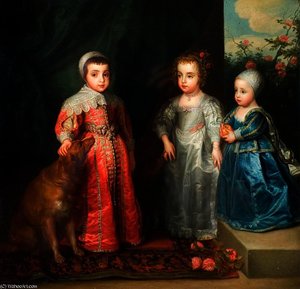
    • 바르비 아이들 그림 세트
    • 찰스 1세 왕의 초상화 세트
    • 존 스튜어트 공작과 형제 초상화
  • Place Of Birth: 안트베르펜, 벨기에

작가 소개

Sir Anthony van Dyck (1599 - 1641): Master Flemish Baroque Painter

Sir Anthony van Dyck, born in Antwerp in 1599, ascended to the pinnacle of artistic achievement during the Baroque era—a period defined by grandeur, drama, and opulent ornamentation. His life unfolded as a remarkable journey through Europe’s artistic capitals, culminating in his untimely demise at just forty-two years old, yet he left an indelible mark on art history, primarily recognized for his unparalleled skill in crafting portraits of European aristocracy and establishing a new standard for royal representation in England. From humble beginnings as the seventh child of Frans van Dyck—a prosperous silk merchant—his innate talent swiftly propelled him toward mastery under the tutelage of Hendrick van Balen, absorbing the stylistic currents prevalent in Antwerp’s artistic milieu. However, it was his formative association with Peter Paul Rubens that truly cemented his foundational understanding of artistic expression; Rubens' dynamic compositions, rich color palettes, and masterful manipulation of light profoundly impacted Van Dyck’s technique and vision.

Italian Sojourns: Shaping a Distinctive Style

Around 1621, Van Dyck embarked on an expedition to Italy—a pivotal moment in his artistic maturation. Primarily residing in Genoa, he garnered considerable acclaim among the city's aristocratic families, cultivating a style characterized by graceful poses, sumptuous fabrics, and an almost palpable aura of nobility. Unlike Rubens’s energetic canvases, Van Dyck’s Italian portraits radiated composure, capturing not merely physical likeness but also the inner character and social status of his subjects. This period witnessed him experimenting with innovative etching techniques—a medium he skillfully employed to produce *Iconography*, a series of meticulously rendered portrait prints featuring prominent figures of his time: artists, scholars, and rulers alike. These etchings transcended mere documentation; they functioned as carefully constructed images designed to convey prestige and intellect, demonstrating Van Dyck’s exceptional technical prowess and establishing him as a leading printmaker within the Baroque landscape.

Rubensian Influence & Early Artistic Development

The influence of Peter Paul Rubens was undeniable—a partnership that fostered Van Dyck's artistic evolution. Rubens’s dramatic use of color and light served as an inspiration, shaping Van Dyck’s approach to composition and technique. Initially mirroring Rubens’s style—characterized by theatrical gestures and vibrant hues—Van Dyck soon differentiated himself through a refined elegance and subtlety that would become his signature aesthetic. His early works showcased a penchant for exaggerated expressions—capturing the fervor of religious ecstasy or the intensity of dramatic emotion—reflecting the Baroque preoccupation with conveying psychological depth alongside visual splendor. He skillfully rendered details of costume and décor, elevating portraiture to an art form that celebrated both beauty and social distinction.

The Royal Patronage: Van Dyck in London

In 1632, Van Dyck received a momentous invitation—a summons from Charles I of England to assume the role of court painter. This appointment irrevocably altered his artistic trajectory, propelling him into the epicenter of English art and establishing him as the dominant force shaping royal portraiture for over fifteen decades. He arrived in London with considerable renown and swiftly gained favor among the king’s advisors, tasked with creating images that projected an image of regal authority and divine right—a mission he undertook with unwavering dedication. Van Dyck's portraits of Charles I stand apart from earlier depictions; he eschewed stiff formality, favoring dynamic poses and expressive gestures to convey charisma and leadership. His innovative use of lighting—particularly chiaroscuro—created dramatic contrasts that accentuated the sitter’s features and imbued the canvases with an emotional resonance unmatched by his predecessors.

Legacy & Enduring Significance

Van Dyck's untimely death in 1641 tragically curtailed his artistic career, yet his legacy persists as a cornerstone of Baroque art history. His influence on English portraiture remains profound—he established a standard of elegance and sophistication that subsequent artists diligently pursued. Beyond his technical brilliance—his mastery of oil painting and etching—Van Dyck possessed an unparalleled ability to capture the essence of his subjects—their inner lives, their social standing, and their aspirations. His works continue to captivate audiences with their beauty, psychological insight, and timeless artistic merit. From *The Balbi Children* to *Charles I in Three Positions*, Van Dyck’s masterpieces exemplify the pinnacle of Baroque artistry, securing his place as one of the most revered artists of his era—a testament to the enduring power of art to transcend time and inspire generations of observers.

주요 정보

  • Medium: Oil on panel
  • Title: Self-Portrait
  • Artistic style: Elegant portraiture
  • Movement: Baroque
  • Year: 1632
  • Location: Private Collection

아트 퀴즈

각 질문의 정답은 하나뿐입니다.

문항 1:
What is the primary subject of Sir Anthony van Dyck’s ‘Self-Portrait’?
문항 2:
In what year was Sir Anthony van Dyck’s ‘Self-Portrait’ painted?
문항 3:
The blurry background in the ‘Self-Portrait’ serves what purpose?
문항 4:
Sir Anthony van Dyck is best known for his work during which period?
문항 5:
What artistic style is most closely associated with Sir Anthony van Dyck’s work?