실제 크기로 보기
 보내기
보내기 공유하기
공유하기
 상세 보기
상세 보기 가이드 보기

 이미지 다운로드
 유사 작품 더 보기
 X-레이
X-레이 슬라이드 쇼 보기
 통계 정보
통계 정보Saint Sebastian
 Acrylic On Canvas
- WallArt
- Baroque
 189.0 x 144.0 cm
 Chrysler Museum of Art
 상세 보기
상세 보기
핸드메이드 유화 복제화
작가가 직접 캔버스에 손으로 그린 유화 작품으로, 원하는 크기와 액자로 맞춤 제작해 드립니다. ( 프린트 판매로 전환 디지털 이미지 판매 채널로 전환)




P118B ₩10

P118H ₩10

P118W ₩10

P438Z ₩10

P508JH ₩12

P508YH ₩12

P805H ₩10

P805Z ₩10

P919BZ ₩10

P919G ₩10

P919XJ ₩10

P959ZH ₩10

P968JZ ₩12

W106C ₩8

W218G ₩10

W218JH ₩8

W218Y ₩10

W307PJ ₩10

W316G ₩10

W316PJ ₩8

W316Y ₩10

W398PJ ₩8

W4111J ₩10

W500HY ₩15

W500JH ₩15

W692G ₩12

W849H ₩8

W940BG ₩15

W953PJ ₩8




작품의 원본 비율을 그대로 유지하는 프리셋 사이즈 중에서 선택해 보세요.

액자나 벽면 크기에 맞춰 필요한 가로와 세로 길이를 입력해 주세요. 본 작품은 수작업으로 제작되므로, 요청하신 비율에 따라 작가가 그림의 가장자리를 조금 더 넓게 그리거나 일부를 조정하여 작업할 수 있습니다. 작업 시작 전, 최종 확인을 위해 디지털 목업 이미지를 보내드립니다. 이 페이지에 표시된 이미지는 실제 결과물과 다를 수 있으며, 오직 목업 이미지만이 정확한 결과물을 보여줍니다.
주문 완료 후 OriginalUniqueArt.com 팀에서 상세 안내를 위해 고객님께 이메일을 보내드리며, 미리보기 시안을 함께 제공해 드립니다.


 유리 옵션은 110cm 미만 크기에서만 선택 가능합니다.

Saint Sebastian
재현 매체
복제본 규격
-


총 결제 금액
₩ 406798
The Silent Strength of Suffering
Sir Anthony van Dyck’s “Saint Sebastian,” painted circa 1627-32, isn't merely a depiction of a biblical martyr; it’s a profound meditation on endurance, faith, and the quiet dignity found within suffering. Van Dyck, already establishing his signature style – characterized by an almost ethereal beauty and a masterful command of light – chose to portray a pivotal moment in Sebastian’s legend: the preparation for his brutal execution. Rather than focusing on the violent act itself, he captures the saint's stoic composure as he awaits his fate, transforming a scene of impending death into one of remarkable serenity.
The composition immediately draws the eye to Sebastian himself – a figure of startling youth and almost unnerving beauty amidst the grim reality surrounding him. He’s bound tightly, his arms and legs secured with ropes, yet his gaze is fixed outward, not inward upon his wounds. This deliberate direction of his eyes creates an intimate connection with the viewer, inviting us into his inner world of unwavering faith. The palette is restrained – a muted range of browns, ochres, and subtle blues – contributing to the painting’s solemn atmosphere. Van Dyck's use of chiaroscuro—the dramatic contrast between light and shadow—further emphasizes Sebastian’s isolation and vulnerability, highlighting the stark beauty of his face and the textures of his clothing.
A Renaissance Echo: Symbolism and Context
To understand “Saint Sebastian,” it's crucial to consider the broader context of the early 17th century. The painting emerged during a period of intense religious fervor, following the Counter-Reformation, where depictions of martyrdom served as powerful tools for inspiring piety and reinforcing Catholic doctrine. However, Van Dyck’s portrayal transcends simple propaganda. He doesn't glorify violence; instead, he elevates Sebastian to an archetype of spiritual fortitude. The scene echoes Renaissance ideals of humanism – a focus on the dignity and potential of humanity—while simultaneously embracing the Christian narrative of sacrifice and redemption.
The inclusion of Saint Irene and her attendants, rendered in a softer, more luminous style, adds another layer of complexity to the composition. They represent divine compassion and offer a poignant contrast to Sebastian’s solitary strength. The figures are not actively intervening; rather, they provide a silent witness to his suffering, reinforcing the idea that faith is often found not in grand gestures but in quiet perseverance.
Technique and Van Dyck's Signature
Van Dyck’s technical mastery is evident throughout “Saint Sebastian.” His brushwork is remarkably smooth and refined, creating a sense of almost photographic realism. He skillfully renders the textures of Sebastian’s clothing – the rough weave of his tunic, the tautness of the ropes—and the subtle details of his face, capturing the delicate contours of his features with astonishing precision. The artist's use of black paint is particularly noteworthy; it’s not simply a color but a tool for creating depth and drama, emphasizing the shadows that engulf Sebastian and highlighting his luminous complexion.
Interestingly, Van Dyck frequently employed a technique known as *pentimento*, subtly altering details in the painting after completion. This is most evident in the feathered arrow piercing Sebastian’s torso – a small but significant adjustment that suggests the artist was continually refining his composition until he achieved the desired effect. This meticulous attention to detail speaks volumes about Van Dyck's dedication to his craft and his desire to capture not just an image, but a profound emotional truth.
A Legacy of Grace and Resilience
“Saint Sebastian” remains one of Van Dyck’s most compelling works, embodying the artist’s unique blend of elegance, sensitivity, and technical brilliance. It's a painting that invites contemplation—a reminder that true strength lies not in physical prowess but in unwavering faith and the ability to face adversity with grace and dignity. Today, reproductions of this iconic image continue to resonate with viewers, offering a timeless testament to the enduring power of human spirit.
질의응답
앤서니 반 디크의 "Saint Sebastian"의 복제화가 공간에 어떤 분위기를 선사할까요?
앤서니 반 디크의 "Saint Sebastian"은(는) Elegant 분위기를 자아내며, Living Room에 추천하는 작품입니다. 무드란 작품이 주변 공간에 선사하는 정취를 의미합니다.
"Saint Sebastian"은(는) 작가의 모국에 머물러 있나요?
아니요 - 해당 작품은 해외에 보관되어 있습니다. "Saint Sebastian"은(는) 미국에 소장되어 있는 반면, 앤서니 반 디크의 출생지는 벨기에입니다.
앤서니 반 디크의 "Saint Sebastian"의 색감은 채도가 높은 편인가요, 아니면 차분한 편인가요?
앤서니 반 디크의 "Saint Sebastian"의 색상은 Muted 정도의 채도를 띱니다. 채도는 색상이 얼마나 선명하거나 차분한지를 나타냅니다.
작가 소개
Sir Anthony van Dyck (1599 - 1641): Master Flemish Baroque Painter
Sir Anthony van Dyck, born in Antwerp in 1599, ascended to the pinnacle of artistic achievement during the Baroque era—a period defined by grandeur, drama, and opulent ornamentation. His life unfolded as a remarkable journey through Europe’s artistic capitals, culminating in his untimely demise at just forty-two years old, yet he left an indelible mark on art history, primarily recognized for his unparalleled skill in crafting portraits of European aristocracy and establishing a new standard for royal representation in England. From humble beginnings as the seventh child of Frans van Dyck—a prosperous silk merchant—his innate talent swiftly propelled him toward mastery under the tutelage of Hendrick van Balen, absorbing the stylistic currents prevalent in Antwerp’s artistic milieu. However, it was his formative association with Peter Paul Rubens that truly cemented his foundational understanding of artistic expression; Rubens' dynamic compositions, rich color palettes, and masterful manipulation of light profoundly impacted Van Dyck’s technique and vision.Italian Sojourns: Shaping a Distinctive Style
Around 1621, Van Dyck embarked on an expedition to Italy—a pivotal moment in his artistic maturation. Primarily residing in Genoa, he garnered considerable acclaim among the city's aristocratic families, cultivating a style characterized by graceful poses, sumptuous fabrics, and an almost palpable aura of nobility. Unlike Rubens’s energetic canvases, Van Dyck’s Italian portraits radiated composure, capturing not merely physical likeness but also the inner character and social status of his subjects. This period witnessed him experimenting with innovative etching techniques—a medium he skillfully employed to produce *Iconography*, a series of meticulously rendered portrait prints featuring prominent figures of his time: artists, scholars, and rulers alike. These etchings transcended mere documentation; they functioned as carefully constructed images designed to convey prestige and intellect, demonstrating Van Dyck’s exceptional technical prowess and establishing him as a leading printmaker within the Baroque landscape.Rubensian Influence & Early Artistic Development
The influence of Peter Paul Rubens was undeniable—a partnership that fostered Van Dyck's artistic evolution. Rubens’s dramatic use of color and light served as an inspiration, shaping Van Dyck’s approach to composition and technique. Initially mirroring Rubens’s style—characterized by theatrical gestures and vibrant hues—Van Dyck soon differentiated himself through a refined elegance and subtlety that would become his signature aesthetic. His early works showcased a penchant for exaggerated expressions—capturing the fervor of religious ecstasy or the intensity of dramatic emotion—reflecting the Baroque preoccupation with conveying psychological depth alongside visual splendor. He skillfully rendered details of costume and décor, elevating portraiture to an art form that celebrated both beauty and social distinction.The Royal Patronage: Van Dyck in London
In 1632, Van Dyck received a momentous invitation—a summons from Charles I of England to assume the role of court painter. This appointment irrevocably altered his artistic trajectory, propelling him into the epicenter of English art and establishing him as the dominant force shaping royal portraiture for over fifteen decades. He arrived in London with considerable renown and swiftly gained favor among the king’s advisors, tasked with creating images that projected an image of regal authority and divine right—a mission he undertook with unwavering dedication. Van Dyck's portraits of Charles I stand apart from earlier depictions; he eschewed stiff formality, favoring dynamic poses and expressive gestures to convey charisma and leadership. His innovative use of lighting—particularly chiaroscuro—created dramatic contrasts that accentuated the sitter’s features and imbued the canvases with an emotional resonance unmatched by his predecessors.Legacy & Enduring Significance
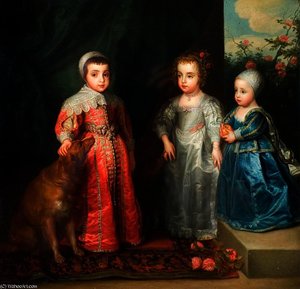
Van Dyck's untimely death in 1641 tragically curtailed his artistic career, yet his legacy persists as a cornerstone of Baroque art history. His influence on English portraiture remains profound—he established a standard of elegance and sophistication that subsequent artists diligently pursued. Beyond his technical brilliance—his mastery of oil painting and etching—Van Dyck possessed an unparalleled ability to capture the essence of his subjects—their inner lives, their social standing, and their aspirations. His works continue to captivate audiences with their beauty, psychological insight, and timeless artistic merit. From *The Balbi Children* to *Charles I in Three Positions*, Van Dyck’s masterpieces exemplify the pinnacle of Baroque artistry, securing his place as one of the most revered artists of his era—a testament to the enduring power of art to transcend time and inspire generations of observers.
앤서니 반 디크
1599 - 1641 , 벨기에
작가 정보 요약
- Artistic Movement Or Style: 바로크 미술
- Artists Or Movements Influenced By This Artist: ['영국 초상화 스타일']
- Artists Who Influenced This Artist: ['페터 폴 루베네스']
- Date Of Birth: 1599년 3월 22일
- Date Of Death: 1641년 12월 9일
- Full Name: Sir Anthony van Dyck
- Nationality: 플란데스인
- Notable Artworks:
- 바르비 아이들 그림 세트
- 찰스 1세 왕의 초상화 세트
- 존 스튜어트 공작과 형제 초상화
- Place Of Birth: 안트베르펜, 벨기에
관련 기사
The Grandeur of Baroque Portraiture: Power, Emotion & Artistic Innovation
Explore the grandeur of Baroque portraiture! Discover Rubens, Van Dyck & the masters of 17th-century art. Uncover symbolism, techniques & lasting influence. Expert insights for collectors and enthusiasts.

화려함 속에 감춰진 진실! 바로크 미술을 정의한 10대 걸작 탐구
화려함과 극적인 표현이 압권! 바로크 미술을 대표하는 10대 걸작의 숨겨진 이야기를 만나보세요. 베르니니, 루벤스 등 거장의 작품부터 바로크 색감, 예술적 기법까지 – OriginalUniqueArt.com에서 명품 복제 & 인테리어 영감을 얻으세요! 지금 바로 컬렉션을 탐험해보세요.

렘브란트 반 레인 명작 25선: 빛과 그림자의 거장, 예술의 정수를 만나다
렘브란트 반 레인 명작 25선을 만나보세요. 빛과 그림자의 거장이 그린 역사화, 초상화 속 예술의 정수를 감상하고, 네덜란드 황금시대 바로크 미술의 깊이를 느껴보세요. OriginalUniqueArt.com에서 고품질 복제화를 컬렉션하세요.

Charles-André van Loo: A Study in Rococo Portraiture & the French Court's Artistic Dynamics
Explore the elegant world of Charles-André van Loo, a master of Rococo portraiture at the French court. Discover his life, techniques, and enduring influence on 18th-century art. Hand-painted reproductions available.

Sir Anthony van Dyck: Courtly Portraiture & the Shaping of Baroque Identity
Explore the life & legacy of Sir Anthony van Dyck, the leading court painter of his era. Discover his innovative portraiture, Baroque masterpieces, and investment potential for discerning collectors. Learn more at OriginalUniqueArt.