프린트 판매로 전환
 상세 보기
상세 보기







































 가로 또는 세로 중 어느 한 면이라도 105cm(약 41인치)를 초과하는 작품이나 복제화의 경우, 프레임은 분해된 키트 형태로 배송됩니다. 이는 안전한 배송을 보장하고 운송 중 발생할 수 있는 손상을 방지하기 위함입니다.


A Vision of Baroque Grandeur
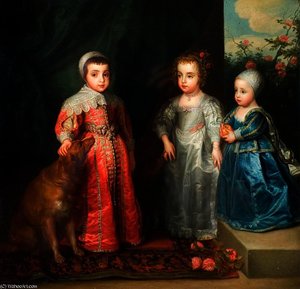
To step before Sir Anthony van Dyck’s “Philippe Le Roy” is to be transported directly into the opulent heart of the seventeenth century. This masterpiece, executed around 1630, serves as a breathtaking window into an era where portraiture was far more than mere likeness; it was a carefully orchestrated performance of power, prestige, and poise. The painting captures Philippe Le Roy, a figure of significant standing, presented with a theatricality that defines the very essence of the Baroque period. As the eye meets the sitter, one is immediately struck by the profound sense of dignity and the quiet, commanding presence that radiates from the canvas, making it an irresistible centerpiece for any collection dedicated to the golden age of European nobility.
Van Dyck, a Flemish master who would eventually become the preeminent court painter for the English monarchy, utilizes a sophisticated chiaroscuro technique to breathe life into the composition. The dramatic interplay between light and shadow does not merely illuminate the subject; it sculpts him. A strong, directional light source sweeps across the frame, catching the crisp edges of a white lace collar and the subtle sheen of a powdered wig, while allowing the background to recede into a mysterious, atmospheric depth of muted blues and earthy browns. This mastery of light creates a palpable three-dimensionality, inviting the viewer to feel the weight of the heavy fabrics and the delicate texture of the dog’s fur.
Symbolism and the Art of Presence
Beyond the technical brilliance lies a rich tapestry of symbolic meaning that speaks to the values of the Dutch Golden Age and the European aristocracy. The inclusion of the faithful dog at Le Roy's side is far from incidental; in the visual language of the time, such a companion served as a poignant emblem of loyalty, constancy, and domestic devotion. This pairing of man and beast softens the formal rigidity of the portrait, injecting a sense of warmth and humanity into an otherwise highly structured social statement. The composition itself, built upon a stable triangular form, draws the viewer’s gaze upward toward Le Roy's face, ensuring that his expression—one of refined, effortless sprezzatura—remains the emotional anchor of the work.
For the discerning interior designer or art collector, this piece offers an unparalleled opportunity to introduce a sense of historical gravity and timeless elegance into a space. The meticulous rendering of textures—from the intricate architecture of the lace cuffs to the soft, tactile quality of the animal's coat—provides a sensory richness that complements both classical and contemporary settings. Whether placed in a grand library or a sophisticated modern salon, a high-quality reproduction of this work does more than decorate a wall; it curates an atmosphere of intellectual depth and aesthetic splendor, celebrating the enduring legacy of one of history’s most influential portraitists.
질의응답
"Philippe Le Roy"이(가) 제작되었을 당시 앤서니 반 디크의 나이는 어떻게 되었나요?
앤서니 반 디크은(는) 1630년에 "Philippe Le Roy"을(를) 제작했을 당시 31세였습니다. 이 나이는 작가의 출생 연도인 1599을(를) 기준으로 계산되었습니다.
"Philippe Le Roy"은(는) 언제 제작되었으며, 어떤 사조에 속하나요?
"Philippe Le Roy"은(는) 1630년에 Baroque Portraiture 사조의 작품으로 제작되었습니다. 제작 연도와 미술 사조는 미술사적 맥락에서 이 작품의 위치를 확고히 해줍니다.
"Philippe Le Roy"이(가) 공간에 어떤 분위기를 선사할까요?
앤서니 반 디크의 "Philippe Le Roy"의 Dramatic한 분위기는 추천 공간인 Hotel Lobby과 완벽하게 어우러집니다.
More about this painting
 실제 크기로 보기
 보내기
보내기 공유하기
공유하기
 상세 보기
상세 보기 가이드 보기

 이미지 다운로드
 유사 작품 더 보기
 X-레이
X-레이 슬라이드 쇼 보기
 Q&A
Q&A 통계 정보
통계 정보