실제 크기로 보기
 보내기
보내기 공유하기
공유하기
 상세 보기
상세 보기 가이드 보기

 이미지 다운로드
 유사 작품 더 보기
 X-레이
X-레이 슬라이드 쇼 보기
 통계 정보
통계 정보Frans Snyders
 Oil On Canvas
- WallArt
- Baroque
 1620
1620- Early Modern
 142.0 x 105.0 cm
 프릭 미술관
 상세 보기
상세 보기
지클레 / 아트 프린트
빠른 제작과 다양한 마감 옵션을 선택할 수 있는 박물관 수준의 지클레이 및 캔버스 프린트. ( 수작업 채색 복제본 주문하기 디지털 이미지 판매 채널로 전환)




P118B ₩10

P118H ₩10

P118W ₩10

P438Z ₩10

P508JH ₩12

P508YH ₩12

P805H ₩10

P805Z ₩10

P919BZ ₩10

P919G ₩10

P919XJ ₩10

P959ZH ₩10

P968JZ ₩12

W106C ₩8

W218G ₩10

W218JH ₩8

W218Y ₩10

W307PJ ₩10

W316G ₩10

W316PJ ₩8

W316Y ₩10

W398PJ ₩8

W4111J ₩10

W500HY ₩15

W500JH ₩15

W692G ₩12

W849H ₩8

W940BG ₩15

W953PJ ₩8




작품의 원본 비율을 그대로 유지하는 프리셋 사이즈 중에서 선택해 보세요.

액자나 벽면 크기에 맞춰 필요한 가로와 세로 길이를 입력해 주세요. 프린트는 원본 이미지보다 크게 제작할 수 없으며 오직 자르는 것만 가능하므로, 비율이 다른 사이즈를 선택할 경우 이미지의 일부가 잘려 나갈 수 있습니다. 인쇄 작업에 들어가기 전, 최종 확인을 위해 디지털 목업을 보내드립니다. 이 페이지에 표시된 이미지는 실제 잘리는 영역을 나타내지 않으며, 오직 목업을 통해서만 정확한 확인이 가능합니다.


 유리 옵션은 110cm 미만 크기에서만 선택 가능합니다.

Frans Snyders
지클레 / 아트 프린트
복제본 규격
-


총 결제 금액
₩ 109488
A Symphony of Status and Shadow
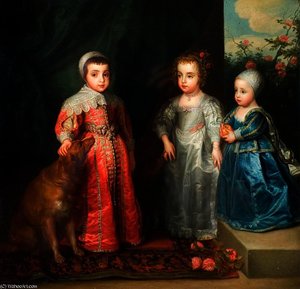
In the grand tapestry of the Flemish Baroque, few moments capture the intersection of artistic genius and social aspiration as poignantly as Sir Anthony van Dyck’s 1620 portrait of Frans Snyders. This masterpiece is far more than a mere likeness; it is a carefully orchestrated performance of prestige. At its heart sits Snyders, a man whose reputation as a master of animalier and still life painting was matched only by his rising social prominence in Antwerp. Dressed in the somber yet luxurious black of a gentleman, with a crisp white collar that draws the eye to his composed features, Sny ck embodies the quiet confidence of the era's burgeoning merchant class. The presence of figures flanking him suggests not just a family portrait, but a tableau of communal success, inviting the viewer into a well-dressed gathering where every fold of fabric and every shadow cast speaks of wealth and stability.
The technical brilliance of Van Dyck is on full display through his masterful manipulation of light and texture. Having refined his craft under the legendary Peter Paul Rubens, Van Dyck brings a dynamic energy to this composition that transcends the stillness of traditional portraiture. One can observe the subtle interplay of chiaroscuro—the dramatic contrast between light and dark—which lends a sculptural depth to Snyders’ face and the heavy drapery surrounding him. The brushwork is both precise and fluid, capturing the tactile reality of silk, lace, and skin with an effortless grace. For the discerning collector, this painting offers a window into the Baroque obsession with materiality, where the sheen of a sleeve or the soft light hitting a cheek serves to ground the subject's lofty status in a palpable, physical reality.
The Golden Age of Antwerp
To understand this work, one must look beyond the frame to the vibrant, prosperous streets of 17th-century Antwerp. This was an era of unprecedented economic flourishing, where trade and artistic innovation fueled a cultural renaissance. The very existence of this portrait serves as a historical document of Snyders’ ascent; having recently acquired a magnificent townhouse on the prestigious Meirstraat, the sitter used Van Dyck’s brush to cement his family's legacy. The painting functions as a visual manifesto of the couple's social ambitions, reflecting a time when art was the ultimate currency of influence. It is a period where the boundaries between the artist and the patron blurred, creating a shared language of elegance that continues to resonate in modern aesthetics.
For those looking to integrate such a profound piece into a contemporary interior, this reproduction offers an unparalleled sense of historical gravity and sophisticated charm. Whether placed in a formal study or as a focal point in a grand hallway, the painting brings with it an atmosphere of intellectual depth and timeless luxury. It is not merely a decoration but an invitation to contemplate the enduring power of legacy and the beauty of human achievement. Owning a piece that captures the essence of Van Dyck’s refined elegance allows a space to breathe with the spirit of the Golden Age, providing a constant source of inspiration and a sophisticated connection to the masters of the past.
질의응답
Living Room에 "Frans Snyders" 작품을 어떤 사이즈로 배치하는 것이 가장 좋을까요?
앤서니 반 디크의 "Frans Snyders"에 추천하는 조합: Living Room 공간에 어울리는 Large 사이즈 프린트입니다.
앤서니 반 디크의 다른 이름이나 별칭에는 무엇이 있나요?
"Frans Snyders"의 작가인 앤서니 반 디크의 다른 이름으로는 アントン・ファン・ディーク 등이 있습니다.
"Frans Snyders"의 제작 기법은 무엇인가요?
앤서니 반 디크은(는) "Frans Snyders" 작품에 Oil On Canvas 기법을 사용했습니다. 이 기법은 원작의 재료적 특성을 잘 보여줍니다.
작가 소개
Sir Anthony van Dyck (1599 - 1641): Master Flemish Baroque Painter
Sir Anthony van Dyck, born in Antwerp in 1599, ascended to the pinnacle of artistic achievement during the Baroque era—a period defined by grandeur, drama, and opulent ornamentation. His life unfolded as a remarkable journey through Europe’s artistic capitals, culminating in his untimely demise at just forty-two years old, yet he left an indelible mark on art history, primarily recognized for his unparalleled skill in crafting portraits of European aristocracy and establishing a new standard for royal representation in England. From humble beginnings as the seventh child of Frans van Dyck—a prosperous silk merchant—his innate talent swiftly propelled him toward mastery under the tutelage of Hendrick van Balen, absorbing the stylistic currents prevalent in Antwerp’s artistic milieu. However, it was his formative association with Peter Paul Rubens that truly cemented his foundational understanding of artistic expression; Rubens' dynamic compositions, rich color palettes, and masterful manipulation of light profoundly impacted Van Dyck’s technique and vision.Italian Sojourns: Shaping a Distinctive Style
Around 1621, Van Dyck embarked on an expedition to Italy—a pivotal moment in his artistic maturation. Primarily residing in Genoa, he garnered considerable acclaim among the city's aristocratic families, cultivating a style characterized by graceful poses, sumptuous fabrics, and an almost palpable aura of nobility. Unlike Rubens’s energetic canvases, Van Dyck’s Italian portraits radiated composure, capturing not merely physical likeness but also the inner character and social status of his subjects. This period witnessed him experimenting with innovative etching techniques—a medium he skillfully employed to produce *Iconography*, a series of meticulously rendered portrait prints featuring prominent figures of his time: artists, scholars, and rulers alike. These etchings transcended mere documentation; they functioned as carefully constructed images designed to convey prestige and intellect, demonstrating Van Dyck’s exceptional technical prowess and establishing him as a leading printmaker within the Baroque landscape.Rubensian Influence & Early Artistic Development
The influence of Peter Paul Rubens was undeniable—a partnership that fostered Van Dyck's artistic evolution. Rubens’s dramatic use of color and light served as an inspiration, shaping Van Dyck’s approach to composition and technique. Initially mirroring Rubens’s style—characterized by theatrical gestures and vibrant hues—Van Dyck soon differentiated himself through a refined elegance and subtlety that would become his signature aesthetic. His early works showcased a penchant for exaggerated expressions—capturing the fervor of religious ecstasy or the intensity of dramatic emotion—reflecting the Baroque preoccupation with conveying psychological depth alongside visual splendor. He skillfully rendered details of costume and décor, elevating portraiture to an art form that celebrated both beauty and social distinction.The Royal Patronage: Van Dyck in London
In 1632, Van Dyck received a momentous invitation—a summons from Charles I of England to assume the role of court painter. This appointment irrevocably altered his artistic trajectory, propelling him into the epicenter of English art and establishing him as the dominant force shaping royal portraiture for over fifteen decades. He arrived in London with considerable renown and swiftly gained favor among the king’s advisors, tasked with creating images that projected an image of regal authority and divine right—a mission he undertook with unwavering dedication. Van Dyck's portraits of Charles I stand apart from earlier depictions; he eschewed stiff formality, favoring dynamic poses and expressive gestures to convey charisma and leadership. His innovative use of lighting—particularly chiaroscuro—created dramatic contrasts that accentuated the sitter’s features and imbued the canvases with an emotional resonance unmatched by his predecessors.Legacy & Enduring Significance
Van Dyck's untimely death in 1641 tragically curtailed his artistic career, yet his legacy persists as a cornerstone of Baroque art history. His influence on English portraiture remains profound—he established a standard of elegance and sophistication that subsequent artists diligently pursued. Beyond his technical brilliance—his mastery of oil painting and etching—Van Dyck possessed an unparalleled ability to capture the essence of his subjects—their inner lives, their social standing, and their aspirations. His works continue to captivate audiences with their beauty, psychological insight, and timeless artistic merit. From *The Balbi Children* to *Charles I in Three Positions*, Van Dyck’s masterpieces exemplify the pinnacle of Baroque artistry, securing his place as one of the most revered artists of his era—a testament to the enduring power of art to transcend time and inspire generations of observers.
앤서니 반 디크
1599 - 1641 , 벨기에
작가 정보 요약
- Artistic Movement Or Style: 바로크 미술
- Artists Or Movements Influenced By This Artist: ['영국 초상화 스타일']
- Artists Who Influenced This Artist: ['페터 폴 루베네스']
- Date Of Birth: 1599년 3월 22일
- Date Of Death: 1641년 12월 9일
- Full Name: Sir Anthony van Dyck
- Nationality: 플란데스인
- Notable Artworks:
- 바르비 아이들 그림 세트
- 찰스 1세 왕의 초상화 세트
- 존 스튜어트 공작과 형제 초상화
- Place Of Birth: 안트베르펜, 벨기에
관련 기사

Sir Anthony van Dyck: Courtly Portraiture & the Shaping of Baroque Identity
Explore the life & legacy of Sir Anthony van Dyck, the leading court painter of his era. Discover his innovative portraiture, Baroque masterpieces, and investment potential for discerning collectors. Learn more at OriginalUniqueArt.

렘브란트 반 레인 명작 25선: 빛과 그림자의 거장, 예술의 정수를 만나다
렘브란트 반 레인 명작 25선을 만나보세요. 빛과 그림자의 거장이 그린 역사화, 초상화 속 예술의 정수를 감상하고, 네덜란드 황금시대 바로크 미술의 깊이를 느껴보세요. OriginalUniqueArt.com에서 고품질 복제화를 컬렉션하세요.

Dutch Baroque Masters: 10 Paintings That Shaped an Era | OriginalUniqueArt
Journey through the Golden Age with our guide to the Top 10 Dutch Baroque masterpieces! Explore iconic paintings by Rembrandt, Vermeer & Frans Hals. Find museum-quality art reproductions and elevate your home decor at OriginalUniqueArt.com.

Golden Age Reflections: Dutch Baroque Painting & Cultural Innovation
Explore the Dutch Golden Age of painting! Discover key artists like Vermeer & ter Borch, their innovative techniques, and the rich cultural context behind these Baroque masterpieces. Learn about collecting & appreciating this iconic art period.

네덜란드 황금 시대 예술의 정수를 담은 10대 걸작 탐구
렘브란트, 베르메르의 걸작부터 할스의 인물화까지! 네덜란드 황금시대 미술의 10대 명품을 만나보세요. 예술적 깊이와 아름다움을 담은 작품들을 OriginalUniqueArt에서 감상하고, 고품질 아트 프린트로 당신의 공간에 특별함을 더하세요. 지금 바로 OriginalUniqueArt.com에서 모든 걸작을 발견하세요!