

 실제 크기로 보기
 보내기
보내기 공유하기
공유하기
 상세 보기
상세 보기 가이드 보기

 이미지 다운로드
 유사 작품 더 보기
 X-레이
X-레이 슬라이드 쇼 보기
 통계 정보
통계 정보Deux têtes d
 Oil
Oil- WallArt
- Baroque
 1650
1650 5.0 x 61.0 cm
 Musée des Beaux-Arts de Lyon
 상세 보기
상세 보기
온라인 미리보기보다 훨씬 뛰어난 품질의 고해상도 디지털 이미지를 구매해 보세요.
각 파일은 사내 전문가가 고급 도구와 숙련된 수동 리터칭 기술을 사용하여 세심하게 준비합니다. 우리는 모든 이미지가 탁월한 선명도, 정확한 색상 재현력, 그리고 미세한 디테일까지 완벽하게 갖추도록 보장합니다.
최종 파일은 전문적인 편집 및 인쇄 환경에서 즉시 사용할 수 있도록 최적화되어 72시간 이내에 이메일로 발송됩니다. 이는 세계적인 디자인 스튜디오, 출판사 및 갤러리가 신뢰하는 것과 동일한 품질입니다.
디지털 이미지
개인 소장 및 전시, 인쇄, 창작 프로젝트를 위한 고해상도 파일을 다운로드하세요. ( 프린트 판매로 전환 수작업 채색 복제본 주문하기)
모든 디지털 이미지 주문 시 제공되는 혜택
전문적인 디지털 이미지 전송 보장
OriginalUniqueArt.com를 선택하시면 단순히 이미지를 받는 것을 넘어, 정밀한 보정 과정을 거쳐 완성된 전문적인 디지털 예술 작품을 만나보실 수 있습니다. 모든 작품에는 만족 보장 서비스가 함께 제공되며, 주문 시 다음과 같은 사항들이 자동으로 포함됩니다:

빠른 이메일 수령
주문 후 72시간 이내에 고해상도 디지털 이미지 파일이 이메일로 발송되며, 즉시 사용하실 수 있습니다.

AI 기술로 최적화된 디지털 파일
귀하의 작품은 고급 AI 기술과 정교한 수동 편집 과정을 거쳐 전문적으로 최적화되며, 이를 통해 디테일과 선명도, 색상의 정확도를 극대화합니다.

평생 무료 재전송 서비스
파일을 실수로 삭제하거나 분실하셨나요? 걱정 마세요. 언제든 무료로 다시 보내드립니다.

추가 수입 비용 없음 - 언제나
관세나 부가세, 배송비 부담 없이 작품을 즉시 소장하세요 - 디지털 다운로드는 언제나 면세 혜택이 적용됩니다.

정확한 색상 보장
전문적인 도구와 색상 관리 시스템을 통해 디지털 이미지가 원본의 색상을 최대한 정확하게 구현하도록 보장합니다.

100일 만족 보장제
구매하신 디지털 이미지에 만족하지 못하실 경우, 100일 이내에 별도의 조건 없이 수정 또는 100% 환불을 진행해 드립니다.

100% 환불 보장
만족스럽지 않으신가요? 디지털 파일을 받으신 후 100일 이내에 조건 없이 전액 환불해 드립니다.

대량 주문 할인
이미지 3매 구매 시 10% 할인 - 5매 구매 시 15% 할인 - 10매 이상 구매 시 20% 할인. 크리에이티브 프로젝트, 갤러리, 에이전시에 매우 유용합니다.
A Portrait of Shared Intensity: Exploring Van Dyck’s “Deux têtes d”
Sir Anthony van Dyck's "Deux têtes d" – literally, “Two Heads” – is not merely a painting; it’s an arresting tableau of psychological depth and subtle drama. Completed in 1650, this double portrait transcends the conventional formality of courtly portraiture, offering instead a glimpse into a complex exchange between two figures shrouded in shadow and suggestion. The work immediately commands attention with its unusual composition: two male heads, rendered with Van Dyck’s signature meticulous detail and masterful use of light, are presented side-by-side within a dark, almost claustrophobic space. The faces themselves are not overtly expressive – there's no boisterous laughter or triumphant gaze – but rather convey an undercurrent of contemplation, perhaps even unease. The artist’s skill lies in the way he uses darkness and light to create a sense of intimacy and shared experience, inviting the viewer to become an active participant in deciphering the unspoken narrative.
The Master at Work: Technique and Style
Van Dyck's technique is instantly recognizable. He employs a loose, almost impasto application of paint, particularly noticeable in the rendering of the hair and beards – textures that seem to practically leap off the canvas. The use of chiaroscuro—the dramatic contrast between light and dark—is exceptionally sophisticated here. The figures are bathed in a soft, diffused light emanating from an unseen source, while the background plunges into deep shadow, intensifying the sense of intimacy and drawing focus entirely onto the faces. This technique wasn’t simply aesthetic; it was integral to Van Dyck's approach to portraiture. He sought not just to capture likeness but also to convey character—the mood, temperament, and even the inner life of his subjects. The subtle variations in tone and texture across each face contribute significantly to this effect, revealing a remarkable sensitivity to human expression.
Historical Context: Courtly Intrigue and Artistic Influence
"Deux têtes d" was painted during a pivotal period in Van Dyck’s career. Having established himself as the leading court painter for Charles I of England, he was deeply immersed in the world of aristocratic patronage. The painting reflects this environment – it's not a grand, celebratory portrait but rather something more intimate and psychologically probing. It’s believed that the subjects were likely members of the English nobility, possibly connected to a complex web of courtly alliances and rivalries. Van Dyck was heavily influenced by the Italian Renaissance masters, particularly Titian and Raphael, evident in his masterful use of color, composition, and anatomical accuracy. However, he skillfully adapted these influences to create a distinctly personal style—one characterized by elegance, grace, and an unparalleled ability to capture the nuances of human emotion.
Symbolism and Interpretation: A Dialogue Unspoken
The true meaning of “Deux têtes d” remains open to interpretation, adding to its enduring appeal. The positioning of the heads – close together, almost touching – suggests a profound connection between the two figures, yet their averted gazes hint at an unspoken tension or perhaps even a concealed disagreement. Some art historians speculate that the painting represents a philosophical debate, a discussion about morality, politics, or simply the nature of human existence. The shadows enveloping them could symbolize hidden secrets or unresolved conflicts. The lack of explicit narrative allows viewers to project their own interpretations onto the scene, transforming it into a mirror reflecting our own anxieties and desires. It’s this ambiguity—this refusal to offer easy answers—that makes “Deux têtes d” such a compelling and thought-provoking work of art.
The painting's enduring power lies in its ability to evoke a sense of mystery and invite contemplation. Reproductions, meticulously crafted to capture the original’s atmospheric depth and nuanced details, offer a remarkable opportunity to experience Van Dyck’s genius firsthand. Whether displayed as a centerpiece in a grand salon or a subtle addition to a more intimate space, “Deux têtes d” continues to captivate viewers with its arresting composition, masterful technique, and profound psychological insight.
질의응답
학생들을 위한 앤서니 반 디크의 "Deux têtes d" 관련 팩트시트가 있나요?
앤서니 반 디크의 "Deux têtes d"에 대한 가이드 페이지를 이용하실 수 있습니다. 이 페이지는 학생들과 수업용으로 제작된, 인쇄 가능한 작품 정보 시트를 제공합니다.
앤서니 반 디크의 "Deux têtes d"의 원화는 어디에서 볼 수 있나요?
앤서니 반 디크의 "Deux têtes d"의 원작은 Musée des Beaux-Arts de Lyon, 리옹, 프랑스에 소장되어 있습니다. 복제화(reproduction)를 통해 이 작품을 집에서도 감상하실 수 있습니다.
"Deux têtes d"의 작가인 앤서니 반 디크는 다른 이름으로도 알려져 있나요?
앤서니 반 디크은(는) アントン・ファン・ディーク라는 다른 이름으로도 알려져 있습니다.
아티스트 프로필
Sir Anthony van Dyck (1599 - 1641): Master Flemish Baroque Painter
Sir Anthony van Dyck, born in Antwerp in 1599, ascended to the pinnacle of artistic achievement during the Baroque era—a period defined by grandeur, drama, and opulent ornamentation. His life unfolded as a remarkable journey through Europe’s artistic capitals, culminating in his untimely demise at just forty-two years old, yet he left an indelible mark on art history, primarily recognized for his unparalleled skill in crafting portraits of European aristocracy and establishing a new standard for royal representation in England. From humble beginnings as the seventh child of Frans van Dyck—a prosperous silk merchant—his innate talent swiftly propelled him toward mastery under the tutelage of Hendrick van Balen, absorbing the stylistic currents prevalent in Antwerp’s artistic milieu. However, it was his formative association with Peter Paul Rubens that truly cemented his foundational understanding of artistic expression; Rubens' dynamic compositions, rich color palettes, and masterful manipulation of light profoundly impacted Van Dyck’s technique and vision.Italian Sojourns: Shaping a Distinctive Style
Around 1621, Van Dyck embarked on an expedition to Italy—a pivotal moment in his artistic maturation. Primarily residing in Genoa, he garnered considerable acclaim among the city's aristocratic families, cultivating a style characterized by graceful poses, sumptuous fabrics, and an almost palpable aura of nobility. Unlike Rubens’s energetic canvases, Van Dyck’s Italian portraits radiated composure, capturing not merely physical likeness but also the inner character and social status of his subjects. This period witnessed him experimenting with innovative etching techniques—a medium he skillfully employed to produce *Iconography*, a series of meticulously rendered portrait prints featuring prominent figures of his time: artists, scholars, and rulers alike. These etchings transcended mere documentation; they functioned as carefully constructed images designed to convey prestige and intellect, demonstrating Van Dyck’s exceptional technical prowess and establishing him as a leading printmaker within the Baroque landscape.Rubensian Influence & Early Artistic Development
The influence of Peter Paul Rubens was undeniable—a partnership that fostered Van Dyck's artistic evolution. Rubens’s dramatic use of color and light served as an inspiration, shaping Van Dyck’s approach to composition and technique. Initially mirroring Rubens’s style—characterized by theatrical gestures and vibrant hues—Van Dyck soon differentiated himself through a refined elegance and subtlety that would become his signature aesthetic. His early works showcased a penchant for exaggerated expressions—capturing the fervor of religious ecstasy or the intensity of dramatic emotion—reflecting the Baroque preoccupation with conveying psychological depth alongside visual splendor. He skillfully rendered details of costume and décor, elevating portraiture to an art form that celebrated both beauty and social distinction.The Royal Patronage: Van Dyck in London
In 1632, Van Dyck received a momentous invitation—a summons from Charles I of England to assume the role of court painter. This appointment irrevocably altered his artistic trajectory, propelling him into the epicenter of English art and establishing him as the dominant force shaping royal portraiture for over fifteen decades. He arrived in London with considerable renown and swiftly gained favor among the king’s advisors, tasked with creating images that projected an image of regal authority and divine right—a mission he undertook with unwavering dedication. Van Dyck's portraits of Charles I stand apart from earlier depictions; he eschewed stiff formality, favoring dynamic poses and expressive gestures to convey charisma and leadership. His innovative use of lighting—particularly chiaroscuro—created dramatic contrasts that accentuated the sitter’s features and imbued the canvases with an emotional resonance unmatched by his predecessors.Legacy & Enduring Significance
Van Dyck's untimely death in 1641 tragically curtailed his artistic career, yet his legacy persists as a cornerstone of Baroque art history. His influence on English portraiture remains profound—he established a standard of elegance and sophistication that subsequent artists diligently pursued. Beyond his technical brilliance—his mastery of oil painting and etching—Van Dyck possessed an unparalleled ability to capture the essence of his subjects—their inner lives, their social standing, and their aspirations. His works continue to captivate audiences with their beauty, psychological insight, and timeless artistic merit. From *The Balbi Children* to *Charles I in Three Positions*, Van Dyck’s masterpieces exemplify the pinnacle of Baroque artistry, securing his place as one of the most revered artists of his era—a testament to the enduring power of art to transcend time and inspire generations of observers.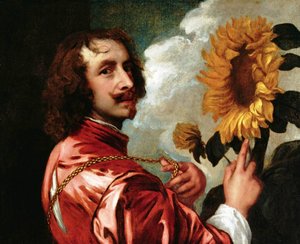
앤서니 반 디크
1599 - 1641 , 벨기에
핵심 정보
- Artistic Movement Or Style: 바로크 미술
- Artists Or Movements Influenced By This Artist: ['영국 초상화 스타일']
- Artists Who Influenced This Artist: ['페터 폴 루베네스']
- Date Of Birth: 1599년 3월 22일
- Date Of Death: 1641년 12월 9일
- Full Name: Sir Anthony van Dyck
- Nationality: 플란데스인
- Notable Artworks:
- 바르비 아이들 그림 세트
- 찰스 1세 왕의 초상화 세트
- 존 스튜어트 공작과 형제 초상화
- Place Of Birth: 안트베르펜, 벨기에