 실제 크기로 보기
 보내기
보내기 공유하기
공유하기
 상세 보기
상세 보기 가이드 보기

 이미지 다운로드
 유사 작품 더 보기
 X-레이
X-레이 슬라이드 쇼 보기
 통계 정보
통계 정보Blessed Joseph Hermann
 Acrylic On Canvas
- WallArt
- Baroque Painting
 1630
1630 160.0 x 128.0 cm
 쿤스트히스토리스체 박물관
 상세 보기
상세 보기
지클레 / 아트 프린트
빠른 제작과 다양한 마감 옵션을 선택할 수 있는 박물관 수준의 지클레이 및 캔버스 프린트. ( 수작업 채색 복제본 주문하기 디지털 이미지 판매 채널로 전환)




P118B $10

P118H $10

P118W $10

P438Z $10

P508JH $12

P508YH $12

P805H $10

P805Z $10

P919BZ $10

P919G $10

P919XJ $10

P959ZH $10

P968JZ $12

W106C $8

W218G $10

W218JH $8

W218Y $10

W307PJ $10

W316G $10

W316PJ $8

W316Y $10

W398PJ $8

W4111J $10

W500HY $15

W500JH $15

W692G $12

W849H $8

W940BG $15

W953PJ $8




작품의 원본 비율을 그대로 유지하는 프리셋 사이즈 중에서 선택해 보세요.

특정 프레임이나 공간에 맞춰 직접 치수를 입력하실 수 있습니다. 선택하신 사이즈가 원본 이미지의 비율과 일치하지 않을 경우, 작품을 크롭(자르기)하거나 이미지를 대칭 또는 단색 채우기로 확장하여 제작합니다. 제작 시작 전, 최종 확인을 위해 디지털 목업이 전송됩니다.
화면상의 미리보기는 실제 크롭이나 확장 상태를 반영하지 않으므로, 최종 구도는 오직 목업을 통해서만 정확하게 확인하실 수 있습니다.
맞춤 사이즈 제작도 가능하지만, 원본 비율을 유지하기 위해서는 사전 정의된 목록에서 치수를 선택하시는 것을 권장합니다.


 유리 옵션은 110cm 미만 크기에서만 선택 가능합니다.

Blessed Joseph Hermann
지클레 / 아트 프린트
복제본 규격
-


총 결제 금액
$ 80
A Vision of Grace: Anthony van Dyck’s “Blessed Joseph Hermann”
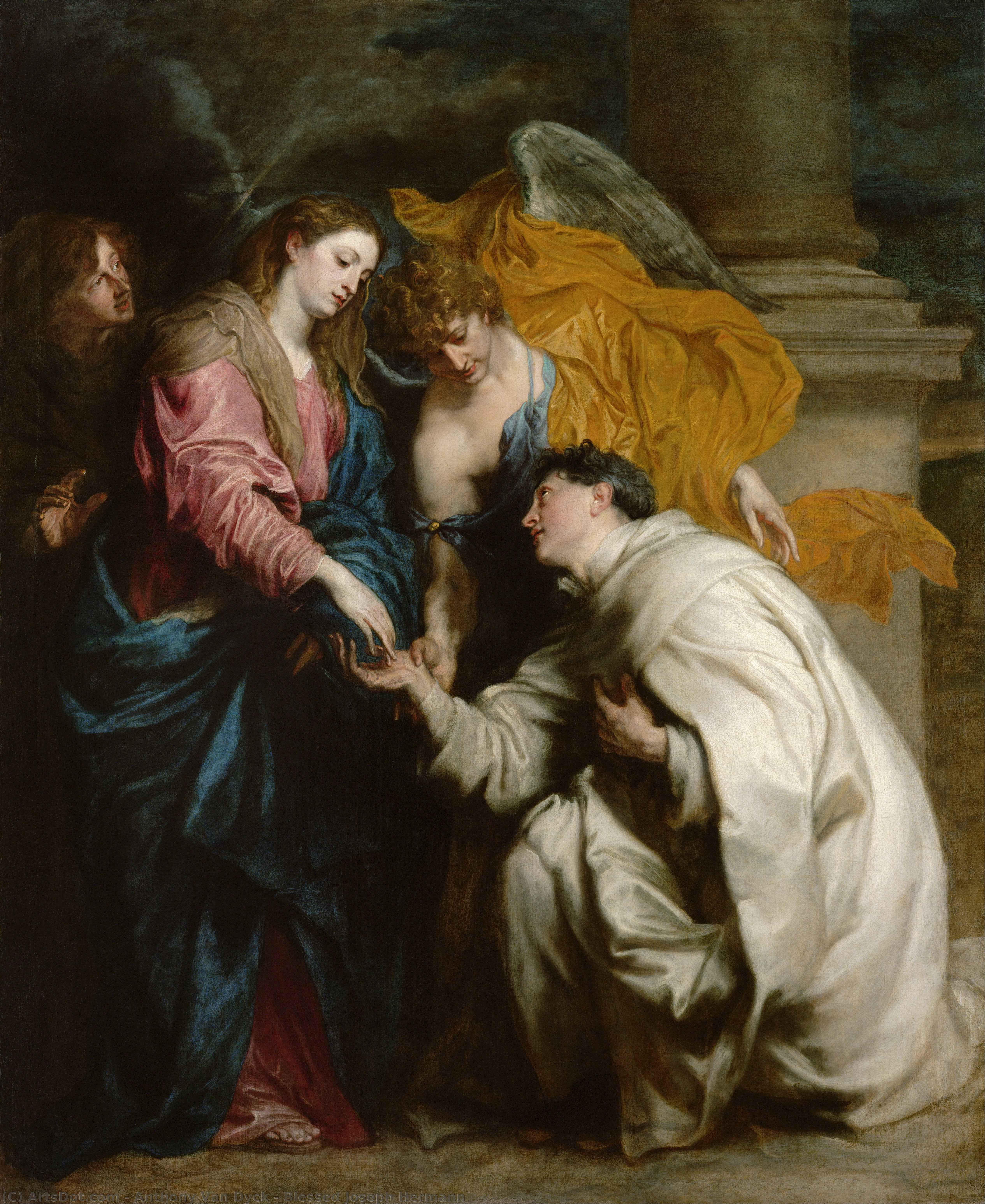
Anthony van Dyck's "Blessed Joseph Hermann," painted in 1630, is more than just a portrait; it’s a luminous exploration of faith, devotion, and the profound connection between humanity and the divine. This Baroque masterpiece, now meticulously reproduced on hand-painted canvas by OriginalUniqueArt.com, transports the viewer to a realm of ethereal beauty and spiritual contemplation. The painting depicts Joseph Hermann, a 13th-century Premonstratensian canon renowned for his intense mystical experiences and visions of the Virgin Mary, as he receives the name “Joseph” after a transformative encounter with her. Van Dyck masterfully captures not just the physical likeness of Hermann but also the palpable sense of reverence and otherworldly grace that permeated his life.
The composition is strikingly balanced, drawing the eye towards the central figures – a woman in rich blue robes, kneeling before an angel holding a book, and Joseph himself gazing upwards with an expression of profound humility. The use of light is particularly noteworthy; it’s diffused and soft, bathing the scene in a gentle radiance that evokes a sense of serenity and spiritual illumination. Van Dyck's signature technique—characterized by delicate brushwork, subtle color transitions, and masterful modeling of form—is on full display here. He employs chiaroscuro, the dramatic contrast between light and shadow, to heighten the emotional impact and create a three-dimensional effect that draws the viewer into the scene.
The Mystical Narrative & Symbolism
The painting’s narrative is deeply rooted in medieval hagiography – the stories of saints. Hermann's story, as recounted in accounts like those by Razo Bonvisinus, speaks to a powerful yearning for divine connection and the transformative potential of mystical experience. The woman in blue is widely interpreted as representing Mary Magdalene, a figure often associated with repentance, humility, and spiritual renewal. Her outstretched hand symbolizes offering and acceptance, while Joseph’s kneeling posture signifies submission and devotion. The angel, holding the book – traditionally the Gospels – represents divine guidance and revelation.
Beyond these central figures, subtle details contribute to the painting's rich symbolic tapestry. The bird perched in the upper left corner might represent hope or a messenger from heaven. The overall atmosphere suggests a sacred space—a moment of grace and communion between earthly man and the divine. Van Dyck’s ability to imbue such a seemingly simple scene with layers of meaning is a testament to his artistic genius.
A Court Painter's Spiritual Journey
Understanding “Blessed Joseph Hermann” within the context of Anthony van Dyck’s career provides further insight into its significance. Following his time in Italy, where he honed his skills under the tutelage of Peter Paul Rubens, Van Dyck returned to Antwerp and then, crucially, to England. His work for King James I and Charles I reflected a shift towards greater elegance and refinement, yet it also retained elements of the dramatic intensity and emotional depth that characterized his earlier work. The commission for this painting, likely by a Jesuit sodality in Antwerp, demonstrates Van Dyck’s willingness to engage with religious themes – a departure from purely secular portraiture.
Van Dyck's decision to paint Hermann, a figure revered within the Catholic Church, speaks to the enduring power of faith and the universal human desire for spiritual connection. The painting stands as a poignant reminder of the transformative potential of devotion and the beauty that can be found in moments of profound grace – qualities expertly captured by Van Dyck’s masterful hand.
Bringing “Blessed Joseph Hermann” Home
OriginalUniqueArt.com is proud to offer meticulously crafted, hand-painted reproductions of this extraordinary Baroque masterpiece. Each reproduction faithfully captures the original's luminous quality, delicate brushwork, and profound emotional depth. Whether you’re an art collector, a devotee of religious iconography, or simply seeking to infuse your home with beauty and inspiration, a OriginalUniqueArt.com reproduction of “Blessed Joseph Hermann” is a timeless addition to any space. Experience the power of this iconic painting firsthand – available in sizes ranging from 160 x 128 cm to larger formats, each meticulously crafted to preserve the integrity and splendor of Van Dyck’s original vision.
작가 소개
Sir Anthony van Dyck (1599 - 1641): Master Flemish Baroque Painter
Sir Anthony van Dyck, born in Antwerp in 1599, ascended to the pinnacle of artistic achievement during the Baroque era—a period defined by grandeur, drama, and opulent ornamentation. His life unfolded as a remarkable journey through Europe’s artistic capitals, culminating in his untimely demise at just forty-two years old, yet he left an indelible mark on art history, primarily recognized for his unparalleled skill in crafting portraits of European aristocracy and establishing a new standard for royal representation in England. From humble beginnings as the seventh child of Frans van Dyck—a prosperous silk merchant—his innate talent swiftly propelled him toward mastery under the tutelage of Hendrick van Balen, absorbing the stylistic currents prevalent in Antwerp’s artistic milieu. However, it was his formative association with Peter Paul Rubens that truly cemented his foundational understanding of artistic expression; Rubens' dynamic compositions, rich color palettes, and masterful manipulation of light profoundly impacted Van Dyck’s technique and vision.Italian Sojourns: Shaping a Distinctive Style
Around 1621, Van Dyck embarked on an expedition to Italy—a pivotal moment in his artistic maturation. Primarily residing in Genoa, he garnered considerable acclaim among the city's aristocratic families, cultivating a style characterized by graceful poses, sumptuous fabrics, and an almost palpable aura of nobility. Unlike Rubens’s energetic canvases, Van Dyck’s Italian portraits radiated composure, capturing not merely physical likeness but also the inner character and social status of his subjects. This period witnessed him experimenting with innovative etching techniques—a medium he skillfully employed to produce *Iconography*, a series of meticulously rendered portrait prints featuring prominent figures of his time: artists, scholars, and rulers alike. These etchings transcended mere documentation; they functioned as carefully constructed images designed to convey prestige and intellect, demonstrating Van Dyck’s exceptional technical prowess and establishing him as a leading printmaker within the Baroque landscape.Rubensian Influence & Early Artistic Development
The influence of Peter Paul Rubens was undeniable—a partnership that fostered Van Dyck's artistic evolution. Rubens’s dramatic use of color and light served as an inspiration, shaping Van Dyck’s approach to composition and technique. Initially mirroring Rubens’s style—characterized by theatrical gestures and vibrant hues—Van Dyck soon differentiated himself through a refined elegance and subtlety that would become his signature aesthetic. His early works showcased a penchant for exaggerated expressions—capturing the fervor of religious ecstasy or the intensity of dramatic emotion—reflecting the Baroque preoccupation with conveying psychological depth alongside visual splendor. He skillfully rendered details of costume and décor, elevating portraiture to an art form that celebrated both beauty and social distinction.The Royal Patronage: Van Dyck in London
In 1632, Van Dyck received a momentous invitation—a summons from Charles I of England to assume the role of court painter. This appointment irrevocably altered his artistic trajectory, propelling him into the epicenter of English art and establishing him as the dominant force shaping royal portraiture for over fifteen decades. He arrived in London with considerable renown and swiftly gained favor among the king’s advisors, tasked with creating images that projected an image of regal authority and divine right—a mission he undertook with unwavering dedication. Van Dyck's portraits of Charles I stand apart from earlier depictions; he eschewed stiff formality, favoring dynamic poses and expressive gestures to convey charisma and leadership. His innovative use of lighting—particularly chiaroscuro—created dramatic contrasts that accentuated the sitter’s features and imbued the canvases with an emotional resonance unmatched by his predecessors.Legacy & Enduring Significance
Van Dyck's untimely death in 1641 tragically curtailed his artistic career, yet his legacy persists as a cornerstone of Baroque art history. His influence on English portraiture remains profound—he established a standard of elegance and sophistication that subsequent artists diligently pursued. Beyond his technical brilliance—his mastery of oil painting and etching—Van Dyck possessed an unparalleled ability to capture the essence of his subjects—their inner lives, their social standing, and their aspirations. His works continue to captivate audiences with their beauty, psychological insight, and timeless artistic merit. From *The Balbi Children* to *Charles I in Three Positions*, Van Dyck’s masterpieces exemplify the pinnacle of Baroque artistry, securing his place as one of the most revered artists of his era—a testament to the enduring power of art to transcend time and inspire generations of observers.
앤서니 반 디크
1599 - 1641 , 벨기에
작가 정보 요약
- Artistic Movement Or Style: 바로크 미술
- Artists Or Movements Influenced By This Artist: ['영국 초상화 스타일']
- Artists Who Influenced This Artist: ['페터 폴 루베네스']
- Date Of Birth: 1599년 3월 22일
- Date Of Death: 1641년 12월 9일
- Full Name: Sir Anthony van Dyck
- Nationality: 플란데스인
- Notable Artworks:
- 바르비 아이들 그림 세트
- 찰스 1세 왕의 초상화 세트
- 존 스튜어트 공작과 형제 초상화
- Place Of Birth: 안트베르펜, 벨기에
관련 기사

Celestial Messengers: Angels in Painting – A Historical & Artistic Exploration
Explore the captivating history of angels in painting! Discover symbolism, iconic Renaissance & Byzantine masterpieces, and renowned artists. Expert insights for art lovers & collectors at OriginalUniqueArt.

Celestial Messengers: A Comprehensive Exploration of Angelic Representation in Art History
Explore the captivating history of angels in art! Discover symbolism, iconic Renaissance masterpieces & renowned artists. Expert insights for art lovers & collectors at OriginalUniqueArt.

렘브란트 반 레인 명작 25선: 빛과 그림자의 거장, 예술의 정수를 만나다
렘브란트 반 레인 명작 25선을 만나보세요. 빛과 그림자의 거장이 그린 역사화, 초상화 속 예술의 정수를 감상하고, 네덜란드 황금시대 바로크 미술의 깊이를 느껴보세요. OriginalUniqueArt.com에서 고품질 복제화를 컬렉션하세요.

The Dramatic Flourish: Exploring the Baroque Movement's Enduring Legacy in Art History
Explore the dramatic world of Baroque art! Discover iconic artists like Caravaggio & Rubens, defining techniques, and its lasting impact on art history. Expert insights for collectors & enthusiasts at OriginalUniqueArt.
Sir Anthony van Dyck: Courtly Portraiture & the Shaping of Baroque Identity
Explore the life & legacy of Sir Anthony van Dyck, the leading court painter of his era. Discover his innovative portraiture, Baroque masterpieces, and investment potential for discerning collectors. Learn more at OriginalUniqueArt.