

 실제 크기로 보기
 보내기
보내기 공유하기
공유하기
 상세 보기
상세 보기 가이드 보기

 이미지 다운로드
 유사 작품 더 보기
 X-레이
X-레이 슬라이드 쇼 보기
 통계 정보
통계 정보A married couple
 Oil On Canvas
- WallArt
- Baroque
 1620
1620 154.0 x 120.0 cm
 사우스오스트레일리아 미술관
 상세 보기
상세 보기
온라인 미리보기보다 훨씬 뛰어난 품질의 고해상도 디지털 이미지를 구매해 보세요.
각 파일은 사내 전문가가 고급 도구와 숙련된 수동 리터칭 기술을 사용하여 세심하게 준비합니다. 우리는 모든 이미지가 탁월한 선명도, 정확한 색상 재현력, 그리고 미세한 디테일까지 완벽하게 갖추도록 보장합니다.
최종 파일은 전문적인 편집 및 인쇄 환경에서 즉시 사용할 수 있도록 최적화되어 72시간 이내에 이메일로 발송됩니다. 이는 세계적인 디자인 스튜디오, 출판사 및 갤러리가 신뢰하는 것과 동일한 품질입니다.
디지털 이미지
개인 소장 및 전시, 인쇄, 창작 프로젝트를 위한 고해상도 파일을 다운로드하세요. ( 프린트 판매로 전환 수작업 채색 복제본 주문하기)
모든 디지털 이미지 주문 시 제공되는 혜택
전문적인 디지털 이미지 전송 보장
OriginalUniqueArt.com를 선택하시면 단순히 이미지를 받는 것을 넘어, 정밀한 보정 과정을 거쳐 완성된 전문적인 디지털 예술 작품을 만나보실 수 있습니다. 모든 작품에는 만족 보장 서비스가 함께 제공되며, 주문 시 다음과 같은 사항들이 자동으로 포함됩니다:

빠른 이메일 수령
주문 후 72시간 이내에 고해상도 디지털 이미지 파일이 이메일로 발송되며, 즉시 사용하실 수 있습니다.

AI 기술로 최적화된 디지털 파일
귀하의 작품은 고급 AI 기술과 정교한 수동 편집 과정을 거쳐 전문적으로 최적화되며, 이를 통해 디테일과 선명도, 색상의 정확도를 극대화합니다.

평생 무료 재전송 서비스
파일을 실수로 삭제하거나 분실하셨나요? 걱정 마세요. 언제든 무료로 다시 보내드립니다.

추가 수입 비용 없음 - 언제나
관세나 부가세, 배송비 부담 없이 작품을 즉시 소장하세요 - 디지털 다운로드는 언제나 면세 혜택이 적용됩니다.

정확한 색상 보장
전문적인 도구와 색상 관리 시스템을 통해 디지털 이미지가 원본의 색상을 최대한 정확하게 구현하도록 보장합니다.

100일 만족 보장제
구매하신 디지털 이미지에 만족하지 못하실 경우, 100일 이내에 별도의 조건 없이 수정 또는 100% 환불을 진행해 드립니다.

100% 환불 보장
만족스럽지 않으신가요? 디지털 파일을 받으신 후 100일 이내에 조건 없이 전액 환불해 드립니다.

대량 주문 할인
이미지 3매 구매 시 10% 할인 - 5매 구매 시 15% 할인 - 10매 이상 구매 시 20% 할인. 크리에이티브 프로젝트, 갤러리, 에이전시에 매우 유용합니다.
The Intimate Portrait: A Study in Baroque Grace
Sir Anthony van Dyck’s “A Married Couple,” painted circa 1620, is more than a simple portrait; it's a carefully constructed tableau of domestic harmony and subtle emotional resonance. Executed during the artist’s formative years in Antwerp and later refined during his influential period at the English court, this work exemplifies the burgeoning Baroque style’s emphasis on naturalism, dramatic lighting, and an exploration of human psychology. The painting captures a moment of quiet intimacy – a man and woman seated together on a bench beneath a crimson curtain, their gazes meeting with a shared sense of contentment. It's a scene that feels both familiar and profoundly moving, inviting the viewer to step into this private world.
Van Dyck’s masterful technique is immediately apparent. He employs a loose, almost impasto brushstroke, particularly noticeable in the rendering of fabrics – the man’s ruffled collar, the woman's voluminous sleeves, and the rich velvet drapes behind them. This textural approach adds depth and vibrancy to the composition, while his use of chiaroscuro—the dramatic contrast between light and shadow—creates a sense of theatricality and draws attention to key elements within the scene. The subtle gradations of color, achieved through meticulous layering of glazes, contribute to an overall luminosity that is characteristic of the artist’s style.
Courtly Dignity and Royal Influence
The painting's creation coincided with a pivotal moment in Van Dyck’s career. Following his apprenticeship under Peter Paul Rubens in Antwerp, he quickly established himself as a leading portraitist, securing commissions from prominent figures across Europe. His work for Charles I of England, beginning in 1632, cemented his reputation and profoundly influenced the development of English portraiture. “A Married Couple” reflects this shift towards courtly formality, showcasing the refined elegance favored by the aristocracy. The couple’s attire—the man's elaborate doublet and hose, the woman’s richly embroidered gown—underscores their status and wealth, while their composed demeanor suggests a shared understanding and mutual respect.
Interestingly, the painting has been linked to Charles I and Henrietta Maria of France. While not definitively proven, many art historians believe this portrait served as a preparatory sketch for a larger, more elaborate depiction of the royal couple intended for Charles’s private collection. The composition—the seated figures, the curtain backdrop—mirrors elements found in later portraits commissioned by the King, suggesting Van Dyck meticulously planned his approach to capturing the essence of the royal family.
Symbolism and Emotional Resonance
Beyond its formal qualities, “A Married Couple” is rich in symbolic meaning. The crimson curtain, a recurring motif in Van Dyck’s work, represents passion, love, and domesticity—a safe haven from the outside world. The couple's direct gaze suggests intimacy and connection, while their relaxed posture conveys a sense of comfort and security. The subtle smile on the woman’s face hints at contentment and happiness, creating an emotional core that resonates with viewers even centuries later. It is not merely a depiction of two individuals; it’s a meditation on love, companionship, and the quiet beauty of everyday life.
Van Dyck's ability to capture such nuanced emotion within a formal portrait is a testament to his artistic skill and psychological insight. “A Married Couple” remains a powerful example of Baroque artistry—a timeless depiction of human connection that continues to captivate audiences today.
질의응답
앤서니 반 디크의 "A married couple"의 원화는 어디에서 볼 수 있나요?
A married couple의 원작은 사우스오스트레일리아 미술관, 애들레이드, 호주에서 관람하실 수 있습니다.
앤서니 반 디크의 "A married couple"의 느껴지는 밝기는 어느 정도인가요?
시각적 밝기 측면에서 볼 때, 앤서니 반 디크의 "A married couple"은(는) deep_shadow 수준입니다.
"A married couple"에 대한 가이드는 어디에서 확인할 수 있나요?
앤서니 반 디크의 "A married couple"에 대한 가이드 페이지를 이용하실 수 있습니다. 이 페이지는 학생들과 수업용으로 제작된, 인쇄 가능한 작품 정보 시트를 제공합니다.
아티스트 프로필
Sir Anthony van Dyck (1599 - 1641): Master Flemish Baroque Painter
Sir Anthony van Dyck, born in Antwerp in 1599, ascended to the pinnacle of artistic achievement during the Baroque era—a period defined by grandeur, drama, and opulent ornamentation. His life unfolded as a remarkable journey through Europe’s artistic capitals, culminating in his untimely demise at just forty-two years old, yet he left an indelible mark on art history, primarily recognized for his unparalleled skill in crafting portraits of European aristocracy and establishing a new standard for royal representation in England. From humble beginnings as the seventh child of Frans van Dyck—a prosperous silk merchant—his innate talent swiftly propelled him toward mastery under the tutelage of Hendrick van Balen, absorbing the stylistic currents prevalent in Antwerp’s artistic milieu. However, it was his formative association with Peter Paul Rubens that truly cemented his foundational understanding of artistic expression; Rubens' dynamic compositions, rich color palettes, and masterful manipulation of light profoundly impacted Van Dyck’s technique and vision.Italian Sojourns: Shaping a Distinctive Style
Around 1621, Van Dyck embarked on an expedition to Italy—a pivotal moment in his artistic maturation. Primarily residing in Genoa, he garnered considerable acclaim among the city's aristocratic families, cultivating a style characterized by graceful poses, sumptuous fabrics, and an almost palpable aura of nobility. Unlike Rubens’s energetic canvases, Van Dyck’s Italian portraits radiated composure, capturing not merely physical likeness but also the inner character and social status of his subjects. This period witnessed him experimenting with innovative etching techniques—a medium he skillfully employed to produce *Iconography*, a series of meticulously rendered portrait prints featuring prominent figures of his time: artists, scholars, and rulers alike. These etchings transcended mere documentation; they functioned as carefully constructed images designed to convey prestige and intellect, demonstrating Van Dyck’s exceptional technical prowess and establishing him as a leading printmaker within the Baroque landscape.Rubensian Influence & Early Artistic Development
The influence of Peter Paul Rubens was undeniable—a partnership that fostered Van Dyck's artistic evolution. Rubens’s dramatic use of color and light served as an inspiration, shaping Van Dyck’s approach to composition and technique. Initially mirroring Rubens’s style—characterized by theatrical gestures and vibrant hues—Van Dyck soon differentiated himself through a refined elegance and subtlety that would become his signature aesthetic. His early works showcased a penchant for exaggerated expressions—capturing the fervor of religious ecstasy or the intensity of dramatic emotion—reflecting the Baroque preoccupation with conveying psychological depth alongside visual splendor. He skillfully rendered details of costume and décor, elevating portraiture to an art form that celebrated both beauty and social distinction.The Royal Patronage: Van Dyck in London
In 1632, Van Dyck received a momentous invitation—a summons from Charles I of England to assume the role of court painter. This appointment irrevocably altered his artistic trajectory, propelling him into the epicenter of English art and establishing him as the dominant force shaping royal portraiture for over fifteen decades. He arrived in London with considerable renown and swiftly gained favor among the king’s advisors, tasked with creating images that projected an image of regal authority and divine right—a mission he undertook with unwavering dedication. Van Dyck's portraits of Charles I stand apart from earlier depictions; he eschewed stiff formality, favoring dynamic poses and expressive gestures to convey charisma and leadership. His innovative use of lighting—particularly chiaroscuro—created dramatic contrasts that accentuated the sitter’s features and imbued the canvases with an emotional resonance unmatched by his predecessors.Legacy & Enduring Significance
Van Dyck's untimely death in 1641 tragically curtailed his artistic career, yet his legacy persists as a cornerstone of Baroque art history. His influence on English portraiture remains profound—he established a standard of elegance and sophistication that subsequent artists diligently pursued. Beyond his technical brilliance—his mastery of oil painting and etching—Van Dyck possessed an unparalleled ability to capture the essence of his subjects—their inner lives, their social standing, and their aspirations. His works continue to captivate audiences with their beauty, psychological insight, and timeless artistic merit. From *The Balbi Children* to *Charles I in Three Positions*, Van Dyck’s masterpieces exemplify the pinnacle of Baroque artistry, securing his place as one of the most revered artists of his era—a testament to the enduring power of art to transcend time and inspire generations of observers.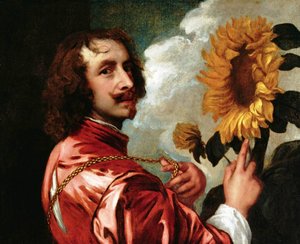
앤서니 반 디크
1599 - 1641 , 벨기에
핵심 정보
- Artistic Movement Or Style: 바로크 미술
- Artists Or Movements Influenced By This Artist: ['영국 초상화 스타일']
- Artists Who Influenced This Artist: ['페터 폴 루베네스']
- Date Of Birth: 1599년 3월 22일
- Date Of Death: 1641년 12월 9일
- Full Name: Sir Anthony van Dyck
- Nationality: 플란데스인
- Notable Artworks:
- 바르비 아이들 그림 세트
- 찰스 1세 왕의 초상화 세트
- 존 스튜어트 공작과 형제 초상화
- Place Of Birth: 안트베르펜, 벨기에