유화 원작 구매
 Polyptych에 관한 모든 것







































 가로 또는 세로 중 어느 한 면이라도 105cm(약 41인치)를 초과하는 작품이나 복제화의 경우, 프레임은 분해된 키트 형태로 배송됩니다. 이는 안전한 배송을 보장하고 운송 중 발생할 수 있는 손상을 방지하기 위함입니다.


Simone Martini’s Polyptych: A Symphony of Faith and Refinement
Simone Martini, a luminary of the early Renaissance born in Siena around 1284, gifted the art world with an unparalleled masterpiece – the Polyptych of Santa Caterina. More than just a painting; it embodies the spirit of its time, reflecting Siena’s burgeoning cultural vibrancy and establishing Martini as a pivotal figure in bridging medieval artistic traditions with the nascent ideals of humanist thought.
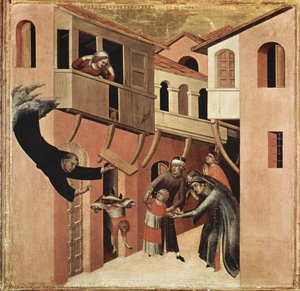
Housed within the Fitzwilliam Museum in Cambridge, United Kingdom, this monumental artwork transcends mere visual representation. Measuring 59 x 35 cm, it comprises three panels adorned with exquisitely detailed figures depicting saints and prophets—a testament to Martini’s mastery of tempera painting technique. The panel's vibrant hues – dominated by reds – aren’t merely decorative; they convey depth and luminosity, drawing the viewer into a contemplative space.
Artistic Significance & Style
The Polyptych exemplifies Martini’s signature International Gothic style, characterized by its graceful lines, meticulous attention to detail, and blending of Byzantine influences with Florentine realism. Unlike Giotto’s more austere depictions, Martini infused his compositions with a palpable sense of elegance and aristocratic refinement—a stylistic hallmark that distinguishes him from contemporaries.
- Composition: The central panel showcases three men in solemn robes, their hands clasped together in prayer, symbolizing unity and devotion.
- Figures: Each saint is rendered with remarkable realism, capturing subtle expressions of emotion and conveying spiritual contemplation.
- Color Palette: Martini’s masterful use of tempera pigments—particularly red—creates a rich tapestry of color that enhances the emotional impact of the scene.
Symbolism & Technique
Beyond its aesthetic beauty, the Polyptych is laden with symbolic meaning. The book held by one figure represents knowledge and divine guidance, while the staff symbolizes authority and spiritual leadership. Martini’s meticulous technique—evident in the layering of translucent glazes—allows him to achieve unparalleled luminosity and textural complexity. This painstaking process ensured that every brushstroke conveyed a profound sense of reverence.
Historical Context & Legacy
Created circa 1320, the Polyptych stands as an emblem of Siena’s religious fervor during the medieval period. It reflects the broader artistic trends of its time—the revival of classical ideals alongside Byzantine influences—and demonstrates Martini's profound impact on subsequent generations of painters. Its influence can be seen in works by artists like Andrea Pisano and Niccolò di Ser Sozzo, cementing Martini’s place as one of the foremost masters of his era.
For those seeking to experience the grandeur of Simone Martini’s vision, reproductions from OriginalUniqueArt offer exceptional quality and authenticity. Explore related artworks at the Fitzwilliam Museum and Isabella Stewart Gardner Museum for a deeper appreciation of this enduring masterpiece.
질의응답
Polyptych은(는) 수작업으로 그린 작품인가요, 아니면 프린트된 작품인가요?
수작업 제작: 숙련된 화가가 Polyptych을(를) 리넨 캔버스 위에 유화로 재현합니다.
Polyptych의 사이즈는 어떤 것을 선택해야 하나요?
원작의 크기는 59 x 35 cm입니다. 사이즈는 31.1 x 32.2 cm (₩268846)부터 235.7 x 243.6 cm (₩2783896)까지 있으며, 이 페이지의 표에 주요 단계별 가격이 안내되어 있습니다.
배송은 얼마나 걸리나요?
배송은 전 세계 무료 특송으로 4~5주가 소요되며, 본 페이지에서 긴급 제작 옵션을 선택하실 수 있습니다. 제품은 조건 없이 100일 이내에 반품하여 전액 환불받으실 수 있습니다.
Polyptych 원본은 어디에 있나요?
원본은 Cambridge에 위치한 피츠윌리엄 칼리지 소장품입니다.
시모네 마르티니 작가는 Polyptych 작품에 어떤 재료를 사용했나요?
Acrylic On Canvas
 미리보기

 공유하기
 공유하기
 상세 정보
 학습용 요약본


 다운로드
 유사 작품 더 보기
 X-레이
 슬라이드 쇼 보기
 질의응답

 통계 정보